
Landscaping
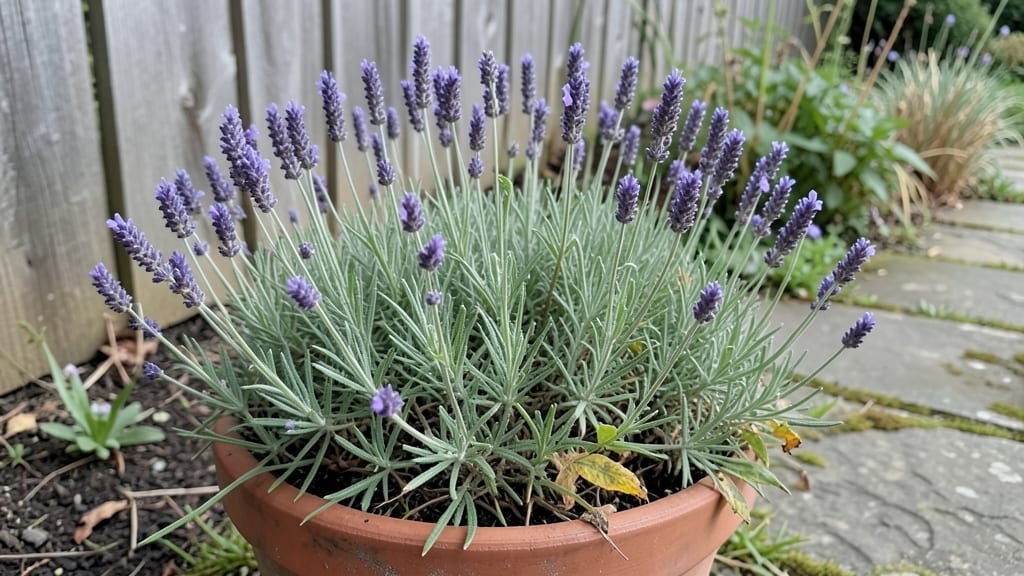
Creating pretty landscapes with flowers is all about layering color and texture so every season feels like a fresh start. I learned this the hard way—my first garden looked great in spring but faded into a brown mess by summer.
The trick isn’t just picking pretty blooms; it’s choosing plants that overlap in bloom time and thrive in your climate. Start with a mix of perennials (like coneflowers and black-eyed Susans) that come back year after year, then add annuals (like impatiens or zinnias) for instant pops of color.
Low-maintenance is the real game-changer here. Native plants like milkweed or butterfly weed do double duty—they attract pollinators and handle drought like champs.
For borders, I swear by three layers: tall plants (like delphiniums) at the back, mid-height blooms (like daylilies) in the middle, and spillers (like ajuga or creeping thyme) at the front. This creates depth without needing a green thumb.
Even a small patio can shine with container gardens packed with petunias, geraniums, and trailing nasturtiums.
What you’ll end up with is a garden that never skips a beat—soft pinks in spring, bold reds in summer, and fiery oranges in fall. The key is grouping plants by color families (think purples with blues, reds with oranges) to make the eye happy.
And here’s the secret: deadhead spent blooms regularly to encourage more flowers and keep the space looking tidy. Before you know it, your yard will be the talk of the neighborhood—without the work of a formal garden.
This approach works for any space, from a tiny urban yard to a sprawling backyard. The only rule? Start small—pick one bed or corner to transform first. Once you see how easy it is to mix colors and textures, the whole garden will fall into place.
Ready to turn your outdoor space into a year-round showstopper?
📚 In This Guide
- What you need
- Instructions
- Tips and common mistakes
- Wrapping up and next steps
What you need
- ● Flowering Plants: Choose perennials for repeat blooms (e.g., coneflowers, black-eyed Susans, daylilies, lavender, or hostas). Aim for 3–5 varieties (5–10 plants per type) for layered color.
- ● Soil Amendments: Compost (1–2 bags, 40–60 lbs each) for nutrient-rich soil.
- ● Peat moss or coconut coir (1 bag) for moisture retention.
- ● Mulch: 2–3 cubic feet of organic mulch (e.g., shredded bark or pine straw) to suppress weeds and retain moisture.
- ● Garden Tools: Trowel or hand shovel
- ● Pruning shears
- ● Garden gloves (1 pair)
- ● Watering can or hose with adjustable nozzle
- ● Fertilizer: Slow-release granular fertilizer (10–20 lbs, 10–10–10 NPK ratio) or organic options like fish emulsion.
- ● Decorative Elements: Garden stakes or trellises (for climbing flowers like clematis or morning glories).
- ● Solar-powered garden lights (5–10) for evening ambiance.
- ● Rocks or stepping stones (10–20 pieces) for pathways.
- ● Drought-Resistant Plants: Add sedum, Russian sage, or salvia (5–10 plants) for water-wise beauty.
- ● Rain Barrel: Collect rainwater to reduce water bills and promote eco-friendly gardening.
- ● Seasonal Add-Ons: Spring: Tulip bulbs (20–30) for early color.
- ● Summer/Fall: Annuals like marigolds or zinnias (10–15 plants) for instant pops.
Instructions for creating a season-long flowering landscape
Here's how to design a vibrant garden that keeps blooming from spring through fall.
Plan Your Color Sequence by Season
Start by sketching your space and dividing it into three zones: early spring bloomers, mid-season performers, and late-season showstoppers. I use a simple color wheel to ensure complementary hues—cool blues and purples for spring, warm reds and yellows for summer, and rich burgundies for fall. Research each plant's bloom time and height at maturity to avoid shading smaller varieties.
For example, tulips and daffodils kick off the season, while coreopsis and black-eyed Susans take over in midsummer, and chrysanthemums and asters extend the show into autumn. Write down your selections and their mature sizes to visualize the progression. This layering creates continuous color without gaps.
Prepare the Soil for Healthy Root Growth
Test your soil's pH and amend it to a neutral 6.0-7.0 range using the 10 pounds of compost and 5 pounds of peat moss from your materials. Work these into the top 12 inches of soil, breaking up any compacted layers with a garden fork. Healthy roots mean stronger plants that bloom more abundantly.
Spread the 10 pounds of compost evenly over the area, then mix in the 5 pounds of peat moss to improve drainage. Avoid working the soil when it's wet—wait for a dry day so the amendments blend in smoothly without clumping. This preparation ensures your flowers have the nutrients they need to thrive throughout the season.
Plant in Staggered Rows for Continuous Bloom
Dig holes twice as wide as the root ball but only as deep as the container the plant came in. Space smaller flowers like pansies 6-8 inches apart, while taller varieties like delphiniums need 18-24 inches between them. Plant 3-5 plants per variety to create a full, natural look rather than sparse clusters.
Arrange plants so early bloomers are in the front, medium-height varieties in the middle, and tallest flowers at the back. This prevents taller plants from shading shorter ones before they've finished blooming. Water each plant deeply after planting to settle the soil and remove any air pockets around the roots.
Mulch and Water for Long-Lasting Blooms
Spread the 3 cubic feet of mulch evenly over the soil, keeping it 2-3 inches away from plant stems to prevent rot. Mulch conserves moisture, suppresses weeds, and regulates soil temperature—all of which help flowers bloom longer. Use organic mulch like shredded bark or straw for best results.
Water deeply 2-3 times per week during the first growing season, aiming for 1 inch of water per week. Check soil moisture by sticking your finger 1 inch down—if it feels dry, it's time to water. Avoid overhead watering in the evening to prevent fungal diseases. Consistent moisture encourages robust root systems that support continuous flowering.
Deadhead and Fertilize for Repeat Blooms
Pinch off spent blooms regularly to encourage new flowers to form. For example, deadhead petunias every 2-3 days during peak bloom, while perennials like coneflowers only need deadheading after they've finished their main flowering period. This simple step extends the blooming season by redirecting the plant's energy into producing more flowers.
Apply a balanced 10-10-10 fertilizer every 4-6 weeks during the growing season, following the package instructions. Avoid over-fertilizing, which can lead to lush foliage but fewer blooms. Instead, focus on a steady supply of nutrients to support steady, vibrant flowering throughout the season.
Tips & tricks for creating a season-long flowering landscape
Designing a garden that blooms continuously takes thoughtful planning—and these tips will help you avoid common pitfalls while maximizing your flower power.
Color Layering Strategy: In Step 1, when arranging your seasonal zones, consider adding a few evergreen shrubs or ornamental grasses as "backbone" plants. These provide structure and prevent your design from looking sparse when flowers aren't actively blooming. I like to place them between the tallest flowers and mid-height varieties to create visual interest year-round. This simple addition transforms your garden from seasonal to ever-evolving.
Soil Preparation Secret: Before amending your soil in Step 2, perform a simple "squeeze test" on a handful of soil. If it forms a tight ball that doesn't crumble when squeezed, you have heavy clay soil that needs extra compost (double the 10 pounds if possible). For sandy soil that falls apart completely, add an extra 2 pounds of peat moss to improve moisture retention. The goal is that amended soil should hold together lightly but break apart easily when touched.
Planting Depth Technique: When planting in Step 3, use the "root flare" method: position each plant so the top of the root ball sits just above the surrounding soil level. This prevents roots from suffocating while allowing the stem to emerge cleanly. For container-grown plants, gently loosen the roots before placing them in the hole—this encourages them to spread into your prepared soil rather than circling the root ball.
Watering Wisdom: During the first growing season in Step 4, consider using a soaker hose or drip irrigation system instead of overhead watering. These deliver water directly to the roots where it's needed most, reducing evaporation and fungal risks. If you must water overhead, do it in the morning so foliage has time to dry completely before evening. I've found that consistent deep watering—rather than frequent light watering—produces stronger root systems that support more abundant blooms.
Pro Tips for Pretty Landscapes With Flowers
- Designing a garden that blooms continuously takes thoughtful planning—and these tips will help you avoid common pitfalls while maximizing your flower power.
- Color Layering Strategy: In Step 1, when arranging your seasonal zones, consider adding a few evergreen shrubs or ornamental grasses as "backbone" plants.
- Soil Preparation Secret: Before amending your soil in Step 2, perform a simple "squeeze test" on a handful of soil.
Frequently asked questions
Got questions about creating stunning, long-blooming flower landscapes? Here are some of the most common ones—and their answers—to help you get started!
What’s the best time of year to plant flowers for continuous blooms?
For season-long color, plant perennials in early spring or fall (when soil is workable but not frozen). Annuals thrive when planted 2-3 weeks before the last frost in your zone. Cool-season flowers (like pansies) can even handle light frost—just check your local frost dates!
How often should I water my flower landscape to keep it thriving?
Water deeply 1-2 times per week (more in extreme heat or drought). Mulch (2-3 inches) retains moisture and reduces weeds. Early morning watering prevents fungal diseases, and drip irrigation delivers water right to roots for efficiency.
Can I mix perennials and annuals for a low-maintenance garden?
Perennials
(like coneflowers or daylilies) return yearly, while annuals (such as zinnias or marigolds) fill gaps with vibrant color. Pair drought-tolerant perennials with fast-growing annuals for a self-sustaining look. Just prune spent blooms to encourage regrowth!
Will flowers attract pests like bees or aphids?
Most flowers attract pollinators (like bees and butterflies), which are great for gardens! To deter pests, choose resistant varieties (e.g., bee balm for mildew resistance) and avoid over-fertilizing. Ladybugs and lacewings also help control aphids naturally.
How can I extend my flowers’ blooming season?
Deadhead spent blooms regularly to encourage reblooming. Choose sequential bloomers (e.g., early tulips + late dahlias) for overlapping color. Light pruning in late summer can stimulate fall blooms, and seasonal fertilizers (like bloom boosters) keep flowers thriving!
Wrapping up and next steps
Pretty landscapes with flowers aren’t just a fleeting dream—they’re a year-round reality with the right planning and plants! By choosing perennials, layering seasonal blooms, and embracing native species, you can enjoy vibrant color that keeps returning, season after season.
Whether you’re a gardening novice or a seasoned pro, the key is starting small—pick one area to transform and watch your outdoor space flourish into a living masterpiece.
🌸 Ready to take the next step? Grab your gardening gloves, sketch a simple layout, and visit your local nursery to pick out your first batch of blooms. Every great garden begins with a single seed—or in this case, a single stunning flower! 🌿