
Container Gardens
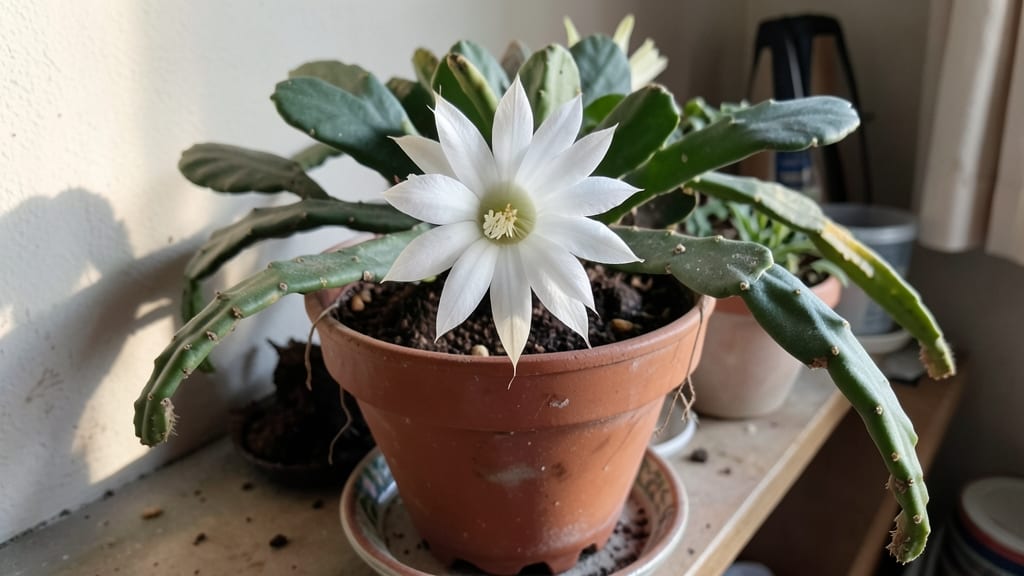
My potted indoor flowers stay vibrant year-round, even when my apartment gets only a few hours of sunlight each day. The key isn’t fancy grow lights or expensive setups—it’s choosing the right plants and tweaking a few simple habits that make all the difference.
I’ve turned my living room into a mini jungle of blooms without sacrificing my space or sanity, and you can too.
Start with low-light champions like peace lilies, snake plants, or African violets—they forgive mistakes and still deliver stunning foliage or delicate blooms. Pair them with containers that have drainage holes (trust me, soggy roots are the enemy) and a soil mix designed for indoor plants.
Most people overwater by default, but these plants actually prefer their soil to dry out slightly between waterings. A spray bottle keeps humidity up without drowning the roots.
By the end of three months, you’ll have lush, thriving plants that brighten your space and last through multiple seasons. The secret isn’t complicated—it’s consistency in light, water, and a little extra care during winter when indoor air gets dry.
These blooms become conversation starters, stress relievers, and a daily reminder that life can grow even in small, dim spaces.
Works for any indoor space, from sun-drenched sunrooms to north-facing offices. The same principles apply whether you’re working with a single pot or a collection of shelves. Let’s get those flowers flourishing without the guesswork.
📚 In This Guide
- What you need
- Instructions
- Tips and common mistakes
- Wrapping up and next steps
What you need
- ● Potted indoor flowers: Choose low-light tolerant varieties like ZZ plants, snake plants, pothos, peace lilies, or cast iron plants (1–3 plants, depending on pot size).
- ● Containers: 1–3 drainage pots (with holes) or cache pots (decorative outer pots) in sizes matching your plants (6–12 inches in diameter).
- ○ Self-watering pots (optional) for convenience.
- ● High-quality potting mix: 1–2 bags of well-draining, peat-based or coco coir mix (avoid garden soil—it compacts!).
- ○ Drainage medium (optional but helpful): 1–2 cups perlite, pumice, or orchid bark (for aeration).
- ● 1–2 cups gravel or small pebbles (for the pot’s base layer).
- ● Basic tools: 1 trowel or small shovel for planting.
- ● 1 spray bottle (for misting or humidity control).
- ● 1 measuring cup (for mixing soil amendments).
- ○ Optional upgrades: 1 moisture meter (to track soil hydration).
- ● 1 fertilizer (balanced or slow-release) (e.g., 10-10-10 or worm castings).
- ● 1 humidity tray or pebble tray (for tropical varieties).
- ● Prerequisites: A low-light spot (e.g., north-facing window, bathroom, or office with indirect light).
- ● Patience! Low-light plants grow slowly but steadily—no rush! 🌿
Step-by-step instructions for growing potted indoor flowers
Here's how to keep your indoor blooms vibrant even in shady corners of your home.
Select the Right Containers and Drainage
Choose pots with drainage holes to prevent root rot—this is non-negotiable. I recommend ceramic or terracotta containers because they breathe better than plastic and help regulate soil moisture. For each of your four plants, use pots that are at least 6 inches in diameter and depth. If you're repurposing decorative pots without drainage, place a saucer underneath and add a layer of pebbles to catch excess water.
Before filling with soil, rinse the pots with warm water to remove any dust or residue. This ensures a clean start for your plants. I also like to add a small layer of perlite or coarse sand at the bottom of each pot to improve drainage further. This prevents water from pooling around the roots and keeps them healthy.
Prepare the Soil Mix for Optimal Growth
Use a high-quality potting mix designed for indoor plants—avoid garden soil, as it compacts easily and can suffocate roots. For each pot, fill it about two-thirds full with the potting mix. Gently fluff the soil with your fingers to create small air pockets, which helps roots establish more easily. Press down lightly but don’t compact it too much, as this can hinder root growth.
If your potting mix doesn’t include fertilizer, mix in a slow-release granular fertilizer at the rate of one tablespoon per gallon of soil. This provides a steady supply of nutrients without the risk of overfeeding. Water the soil lightly after adding the fertilizer to help it settle and activate. You’ll know it’s ready when the soil feels evenly moist but not soggy.
Plant Your Flowers with Care
Remove your flowers from their nursery pots and gently loosen the roots if they appear tangled or compacted. This encourages them to spread out in their new home. Place each plant in its pot and position it so the top of the root ball sits about an inch below the rim. This gives you room to water without spilling soil over the edges.
Fill the remaining space with more potting mix, pressing lightly around the base of the plant to secure it. Avoid packing the soil too tightly, as this can restrict root growth. Water the plant thoroughly right after planting to help the soil settle and eliminate any air pockets. You’ll see the soil level drop slightly as it compacts—add more if needed to maintain that one-inch gap at the top.
Place and Adjust for Light Conditions
Most indoor flowers thrive in bright, indirect light, but they can adapt to lower light conditions with a little patience. Start by placing your potted flowers near a north- or east-facing window, where they’ll receive gentle, diffused light. If your space is particularly dim, consider supplementing with a grow light for 12-14 hours a day. You’ll notice new growth within a few weeks if the light is adequate.
Rotate your pots a quarter turn every week to ensure even growth. Plants naturally lean toward the light source, so this simple step keeps them balanced and upright. Watch for signs of insufficient light, such as leggy stems or sparse foliage. If you see these, move the plant closer to the light source or increase the duration of artificial lighting.
Water and Maintain for Long-Lasting Blooms
Water your indoor flowers when the top inch of soil feels dry to the touch. Stick your finger into the soil to check moisture levels—this is more accurate than guessing. Water thoroughly until it drains from the bottom of the pot, then empty the saucer to prevent the roots from sitting in water. Overwatering is a common mistake, so always err on the side of underwatering unless you’re certain the soil is dry.
Fertilize your plants every 4-6 weeks during the growing season with a balanced liquid fertilizer diluted to half strength. This keeps them nourished without overwhelming their roots. Reduce watering and fertilizing in the winter months, as growth naturally slows. You’ll see healthier blooms and stronger stems if you stick to this routine, and your plants will reward you with vibrant, long-lasting flowers.
Tips & tricks for perfect potted indoor flowers
A few simple strategies will help your indoor blooms thrive even in low-light conditions.
Container Selection: The 6-inch minimum size for your pots is ideal because it gives roots enough room to establish while preventing soil from drying out too quickly. For plants that need extra moisture, like ferns, consider slightly larger pots—up to 8 inches in diameter. If you're using decorative pots without drainage, remember to add that layer of pebbles to catch excess water, as this prevents root rot better than relying on saucers alone.
Soil Preparation: When fluffing your potting mix to create air pockets, don't overdo it—think of it like creating a sponge rather than a fluffy pillow. The goal is to maintain good aeration without making the soil too loose, which can cause it to compact too quickly. If your mix feels too dense, add a handful of perlite or vermiculite to improve drainage while keeping that light, airy texture.
Light Adjustments: The 12-14 hours of grow light is perfect for low-light situations, but timing matters just as much as duration. Position your grow lights about 6-12 inches above the plants and adjust the height as they grow. Too close, and you risk scorching the leaves; too far, and the light becomes ineffective. I find that checking the light distance weekly keeps my plants growing evenly without stress.
Watering Wisdom: That one-inch soil check might seem simple, but there's a trick to it: use your finger to gauge moisture at the same depth every time. Morning is the best time to water because plants absorb moisture more efficiently during daylight hours. If you notice water beading on the leaves after watering, your plant might be getting too much moisture—this is a classic sign of overwatering, even if the soil feels dry.
Pro Tips for Potted Indoor Flowers
- A few simple strategies will help your indoor blooms thrive even in low-light conditions.
- Container Selection: The 6-inch minimum size for your pots is ideal because it gives roots enough room to establish while preventing soil from drying out too quickly.
- Soil Preparation: When fluffing your potting mix to create air pockets, don't overdo it—think of it like creating a sponge rather than a fluffy pillow.
Frequently asked questions
Got questions about keeping your potted indoor flowers happy and blooming? You’re not alone! Here are answers to the most common concerns—from lighting hacks to troubleshooting wilting leaves.
What are the best low-light indoor flowers for beginners?
Start with resilient varieties like snake plants, ZZ plants, or peace lilies. These thrive in indirect light and forgive occasional neglect. For blooms, try African violets or spider plants—they’re forgiving and add color without fuss!
How often should I water my potted indoor flowers?
Overwatering kills more plants than underwatering! Check soil moisture with your finger—water only when the top 1-2 inches feel dry. Most indoor flowers prefer moderate moisture; adjust based on humidity (e.g., less in winter, more in dry climates). Drain excess water to avoid root rot.
Why are my indoor flowers’ leaves turning yellow?
Yellow leaves usually signal overwatering or nutrient deficiency. First, check drainage—soggy soil = root stress. If leaves are crispy, it’s underwatering. For yellow patches, repot with fresh soil or fertilize lightly. Snake plants and pothos are tough; others may need adjustments!
Can I reuse the same potting soil for indoor flowers?
Not ideal! Soil depletes nutrients and compacts over time. Refresh it every 12–18 months or when you repot. Mix in perlite or coconut coir for better drainage. For heavy feeders (like orchids), swap soil annually to keep roots healthy.
How do I keep my indoor flowers from getting leggy?
Leggy stems = a cry for light! Rotate pots weekly for even exposure, and prune leggy growth to encourage bushier growth. If your space is dim, supplement with a grow light 6–8 inches away for 12 hours daily. Spider plants and peperomias adapt well to low light but still need occasional trims.
Wrapping up and next steps
Bringing life into your space with potted indoor flowers is easier than you think—even in low-light corners! 🌿 With the right plant picks, proper care, and a little patience, you’ll enjoy vibrant blooms that brighten every day.
Whether you’re a beginner or a seasoned plant parent, these low-light secrets make it simple to create a thriving green sanctuary.
Ready to take the next step? Start small:
- Pick one low-light flower (like a ZZ plant or snake plant) to test your skills.
- Grab a stylish pot and follow the care tips you’ve learned.
- Watch your confidence—and your plant—grow together!