Flowers
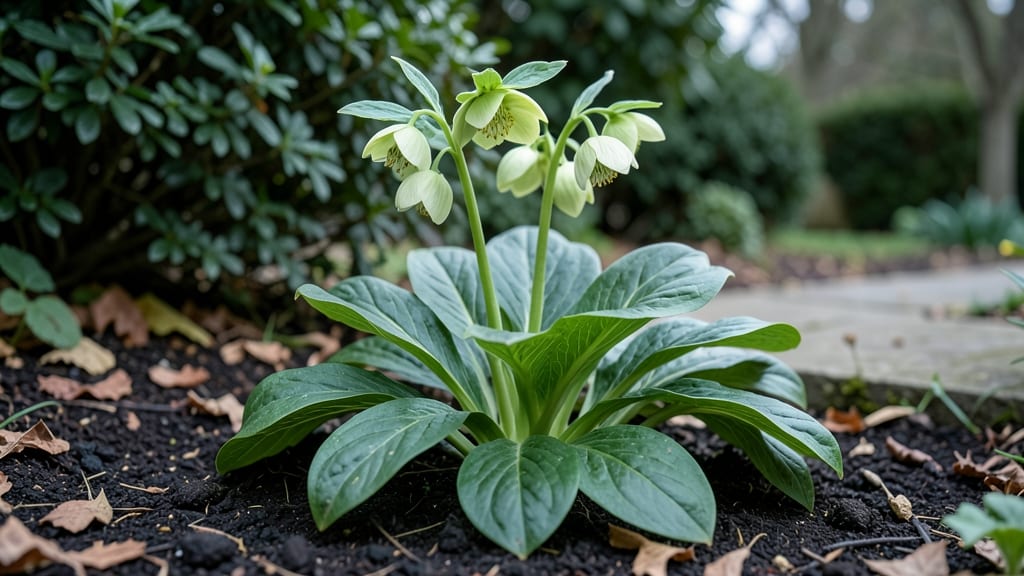
Growing green hellebore flowers transforms your shady spots into winter wonderlands. 🌿 These tough perennials thrive where nothing else dares to bloom, pushing through snow to reveal delicate, emerald-green flowers that look like fairy lanterns.
My first batch arrived in late December—still fresh after months of frost—proving they’re not just shade-tolerant but downright resilient.
The secret lies in their low-maintenance nature: plant them in partial to full shade, enrich the soil with compost at planting, and water only when the top inch feels dry.
They handle everything from rocky soil to heavy clay, making them the perfect solution for problem areas. Most gardeners overwater or over-fertilize, but hellebores reward patience with years of effortless blooms.
By mid-spring, you’ll notice new foliage emerging alongside last season’s flowers, creating a layered effect that lasts until summer. The plants spread slowly but reliably, forming natural colonies that multiply over time. No deadheading is needed—the spent blooms add texture, and the glossy leaves stay disease-free with minimal care.
Perfect for woodland gardens, north-facing borders, or even under trees where other plants struggle. Once established, they become the backbone of your shade garden, blooming when everything else is dormant. Let’s get yours planted for next winter’s magic.
📚 In This Guide
- What you need
- Instructions
- Tips and common mistakes
- Wrapping up and next steps
What you need
- ● Green hellebore plants (choose between Helleborus viridis or Helleborus niger varieties): 1–3 mature plants (for established gardens) or
- ● 10–20 seeds (if starting from scratch—germination can be slow!)
- ● Well-draining soil mix (amend heavy clay with compost or perlite for optimal drainage).
- ● Organic mulch (2–3 inches of shredded bark or leaf litter to retain moisture).
- ● Slow-release fertilizer (balanced 10-10-10 or organic options like bone meal).
- ● Garden trowel or transplant spade (for digging holes 6–8 inches deep).
- ● Gloves (hellebores have mild toxins—protect your hands!).
- ● Watering can or hose with a gentle spray nozzle.
- ○ Optional but helpful: Pruners (for deadheading spent blooms).
- ● Soil pH tester (ideal range: 6.0–7.0).
- ● Shade cloth (if your area gets harsh afternoon sun).
- ● A shady or partially shaded spot (dappled sunlight is ideal).
- ● Patience—seeds may take 2–3 years to bloom!
- ● No direct competition—hellebores thrive in low-competition areas (avoid aggressive ground covers).
Step-by-step guide to planting and caring for green hellebore flowers
These elegant perennials thrive in shade and deliver stunning winter blooms with minimal fuss.
🌱 Step 1: Select and Prepare the Planting Site
Green hellebores (Helleborus viridis) prefer partial to full shade with morning sun and afternoon protection from intense rays. Choose a location with well-draining soil—they rot easily if soggy. Test your soil by squeezing a handful; if it holds a tight ball, amend with 2-3 inches of compost or sand to improve drainage.
Here's the thing—these plants hate competition. Space them 12-18 inches apart to allow roots to establish without crowding. I dig holes twice as wide as the root ball but only as deep as the container they came in. Loosen the roots gently if they're circling—hellebores resent being planted too deep.
💧 Step 2: Plant and Establish Initial Watering
Place the hellebore in the hole, backfill with native soil mixed with 1 cup of bone meal (for phosphorus to encourage blooms), and water deeply until the soil settles. The crown should sit just below soil level—never bury it deeper than it grew in the nursery. Press the soil lightly to remove air pockets, but don't compact it.
Water once a week for the first month (or when the top 2 inches of soil feel dry). You'll know you're doing it right when water runs out the drainage holes immediately—no puddling. After that, they're surprisingly drought-tolerant once established, but mulch with 2-3 inches of shredded bark to retain moisture and suppress weeds.
☀️ Step 3: Provide Light and Maintenance for Long-Term Growth
Green hellebores bloom in late winter to early spring, so resist the urge to prune old foliage until it yellows naturally in late spring. The leaves act as a solar panel, feeding the plant energy for next year's blooms. I leave them until they turn crispy—usually May or June—then cut them back to the ground.
Fertilize lightly in early spring with a balanced 10-10-10 formula at half strength. Too much nitrogen makes them focus on leaves over flowers. Watch for aphids or slugs—they adore tender new growth. A neem oil spray keeps pests away without harming the plant.
✂️ Step 4: Divide and Propagate Every 3-4 Years
Hellebores multiply slowly but reliably. When clumps grow too dense, dig up the entire plant in early fall and separate the crowns with a clean knife. Each division should have 3-5 leaves and a portion of the root system. Replant immediately at the same depth, water deeply, and mulch to protect roots over winter.
This is the moment that matters: Don't rush divisions. Wait until you see multiple shoots radiating from the center. If you divide too soon, you'll end up with weak, underdeveloped plants that struggle to bloom. Real talk—your first blooms might be smaller after dividing, but they'll rebound beautifully the following year.
Tips & tricks for perfect green hellebore planting
Here's what nobody tells you about getting these shade stars to thrive—details that make all the difference.
Soil Test Matters: The 2-3 inches of compost or sand recommendation isn't just about drainage—it's about creating a sponge-like texture. I've seen hellebores rot in "well-draining" soil that still held too much moisture. Test your soil's moisture retention by filling a jar halfway with soil, adding water, then checking how long it takes to drain. If water sits for more than 30 minutes, you need more sand or perlite. This simple test prevents the #1 killer of hellebores.
The Root Loosening Secret: When you remove hellebores from their nursery pots, you'll often find roots circling tightly. This "pot-bound" condition happens because roots grow in search of nutrients. Gently tease these roots apart with your fingers—don't cut them! The goal is to encourage outward growth rather than compacted root balls. I make a habit of doing this even with small plants, and it pays off when they establish faster in their new home.
Mulching Strategy: That 2-3 inches of shredded bark isn't just for looks—it's a winter survival tactic. The bark insulates roots during cold snaps while slowly releasing moisture. Pro tip: Apply mulch after the first hard frost when soil temperatures drop below 40°F. This timing prevents early-season weeds from competing while protecting roots when they're most vulnerable. I always top-dress with an extra inch in particularly cold climates.
Division Timing: The instructions mention dividing in early fall, but here's the real story: The optimal window is actually 2-3 weeks before your first hard frost. This gives divided plants time to establish roots before winter dormancy. I've divided in late September with great success—just be sure to mark their locations so you don't accidentally dig them up when pruning leaves in spring. The trade-off? You might sacrifice some blooms the following year, but the long-term health of your plants makes it worth it.
Pro Tips for Green Hellebore Flowers
- Here's what nobody tells you about getting these shade stars to thrive—details that make all the difference.
- Soil Test Matters: The 2-3 inches of compost or sand recommendation isn't just about drainage—it's about creating a s...
- The Root Loosening Secret: When you remove hellebores from their nursery pots, you'll often find roots circling tight...
Frequently asked questions
Got questions about growing and caring for green hellebore flowers? You’re not alone! Here are some of the most common queries—plus straightforward answers to help you nurture these winter wonders with confidence.
Are green hellebore flowers toxic to pets or humans?
Yes, green hellebores (Helleborus viridis) contain toxic alkaloids that can cause nausea, vomiting, or skin irritation if ingested. Keep them out of reach of curious pets and children. Always wash hands after handling, and avoid planting them in areas where kids or pets play. Learn more about pet-safe alternatives.
When is the best time to plant green hellebore flowers?
The ideal time to plant green hellebores is in early fall or late winter (before new growth begins). This gives roots time to establish before summer heat. If transplanting established plants, water thoroughly after planting and mulch to retain moisture. Pro tip: Avoid planting in extreme heat—wait for cooler temperatures!
How do I encourage more blooms on my green hellebore?
Green hellebores bloom best in partial to full shade and well-draining soil rich in organic matter. Deadhead spent flowers in early spring to redirect energy to new blooms. Avoid over-fertilizing—too much nitrogen promotes foliage over flowers. Bonus: A light layer of mulch in winter protects roots and encourages robust growth.
Why aren’t my green hellebore flowers opening?
Several factors can prevent blooms: too much sun (scorch or stress), poor drainage (root rot), or lack of winter chilling. Ensure your plant gets at least 4 hours of shade daily and amend heavy clay soil with compost. If blooms form but don’t open, check for pests like slugs or aphids—remove them gently with soapy water.
Can I grow green hellebores in containers?
Choose a 12-inch or larger container with drainage holes and use a mix of potting soil and perlite. Place the pot in a shaded spot (e.g., under a tree) and water when the top inch of soil feels dry. Warning: Containers dry out faster—monitor moisture closely in summer. Repot every 2–3 years to refresh the soil.
What are some great companion plants for green hellebores?
Pair green hellebores with shade-tolerant perennials like ferns, lungwort (Pulmonaria), or Japanese anemones (Anemone hupehensis) for a lush, low-light garden. Avoid aggressive spreaders like mint or hostas, which can compete for nutrients. Design tip: Add heuchera (coral bells) for colorful foliage contrast!
Wrapping up and next steps
Green hellebore flowers are a fantastic addition to any shade garden, offering year-round interest with their striking blooms and lush foliage. Whether you're a seasoned gardener or just starting, these hardy perennials bring beauty and resilience to even the darkest corners of your landscape. 🌿
Ready to transform your garden? Start small—plant a few hellebores in a shady spot and watch them thrive! For even more inspiration, explore shade-loving plant pairings or dive into advanced care tips to keep your garden flourishing.