
Planting
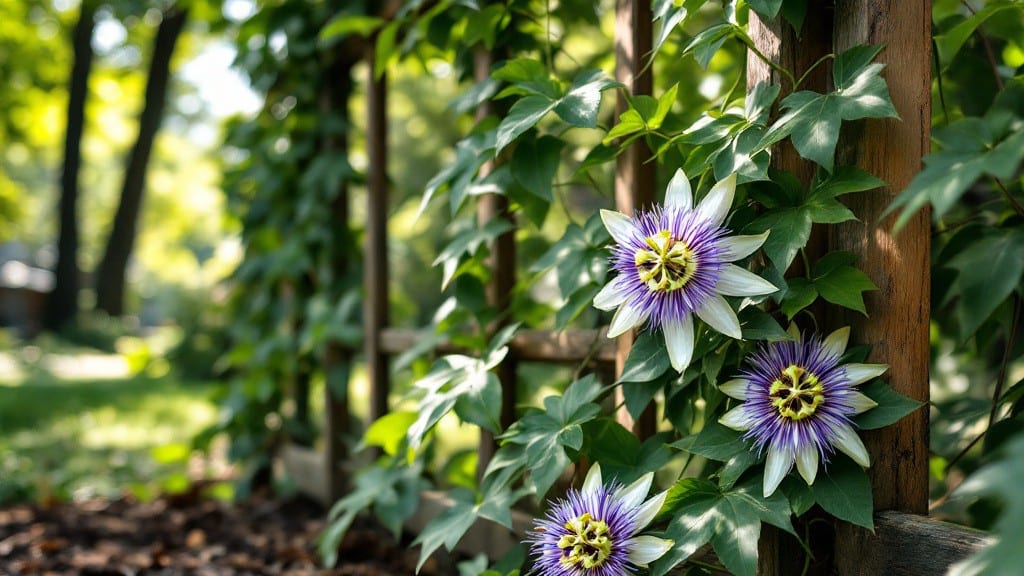
Passion flower thrives in USDA hardiness zones 5 through 11, with most varieties preferring warm climates and well-drained soil. Cold-hardy types like Passiflora incarnata survive down to 0°F, while tropical species need zone 10+ protection. Check your local zone before planting for best results.
Understanding your local passion flower zone is key to success—this plant's range spans from cold-hardy northern varieties to tropical heat lovers. 🌿 The difference between zones 5 and 11 isn't just temperature tolerance; it's about growth cycles, winter dormancy needs, and even flowering times.
For example, Passiflora caerulea (blue passionflower) thrives in zones 5-9, entering dormancy in winter, while Passiflora edulis (passionfruit) requires year-round warmth of zones 10-11. Even within this range, microclimates—like urban heat islands or sheltered garden spots—can push boundaries by 1-2 zones.
Your planting strategy should match both the species and your specific zone. In cooler zones (5-7), focus on cold-hardy varieties like Passiflora incarnata and use winter mulch or containers for extra protection. Warmer zones (8-11) can handle tropical species but may need afternoon shade to prevent leaf scorch.
The soil's drainage capability becomes critical in humid climates, where waterlogged roots spell disaster for these vines.
💡 In This Article
- Understanding Passion Flower Cold Hardiness Zones
- Best Practices for Planting Passion Flowers by Zone
Understanding passion flower cold hardiness zones
Passion flowers exhibit remarkable diversity in cold tolerance, with species spanning from deep winter chill to tropical warmth.
The key difference lies in their biological adaptations: temperate varieties like Passiflora incarnata (maypop) have evolved to withstand 0°F temperatures by entering full dormancy, while tropical species such as Passiflora edulis (passionfruit) lack this survival mechanism and require consistent warmth above 40°F.
This divergence explains why zone 5 gardens can grow maypop successfully while passionfruit thrives only in zone 10+ climates.
The science behind this tolerance involves cellular antifreeze proteins in cold-hardy species that prevent ice crystal formation in plant tissues. These proteins, discovered in Passiflora caerulea (blue passionflower), allow the plant to survive -10°F with proper winter care.
Tropical varieties, however, lack these proteins and suffer irreversible damage when temperatures drop below 32°F for more than a few hours. The 30-day average minimum temperature becomes the critical factor in determining zone compatibility.
Microclimates create fascinating exceptions where zone boundaries become flexible. In zone 6, a south-facing wall can create a microclimate warm enough for Passiflora caerulea to thrive when planted against it, effectively pushing its hardiness by 1-2 zones.
Similarly, urban areas with heat island effects (where pavement and buildings raise temperatures by 5-10°F) can support tropical species in zone 9 when protected from cold snaps. These microclimates work because they extend the growing season by 2-4 weeks on either end.
Dormancy cycles represent another critical difference between species. Cold-hardy varieties like Passiflora incarnata require 60-90 days of temperatures below 45°F to trigger dormancy, during which they drop leaves and conserve energy. Tropical species, however, maintain continuous growth and flower year-round when temperatures stay above 50°F.
This biological clock explains why gardeners in zone 8 must choose carefully—planting Passiflora edulis without winter protection will result in frost damage, while Passiflora incarnata may struggle in zone 10's heat without afternoon shade.
What most gardeners don't realize is how soil temperature interacts with air temperature. Passion flowers develop roots that are 2-3°F colder than the air above, meaning soil thermometers are essential for accurate zone assessment.
In zone 7, where air temps might dip to 10°F, soil temps often stay above 20°F—enough to protect cold-hardy species. This 20°F difference explains why some gardeners successfully grow maypop in zone 6 when planted in well-drained, sandy soil that warms quickly in spring.
For tropical species, the critical threshold isn't just the first frost—it's cumulative cold exposure. Studies show that Passiflora edulis begins suffering damage after 12 hours below 35°F, with irreversible injury occurring after 24 hours below 30°F.
This explains why zone 9 gardeners can sometimes grow passionfruit in containers and move them indoors during cold snaps, while in-ground plants suffer complete dieback. The root zone temperature becomes the deciding factor in these marginal cases.
Understanding these biological mechanisms helps explain why some gardeners in zone 8 report success with Passiflora caerulea while others fail—it often comes down to specific variety selection, microclimate placement, and winter protection techniques.
The right species in the right spot can make all the difference between a thriving vine and a lost investment. 💫