Planting
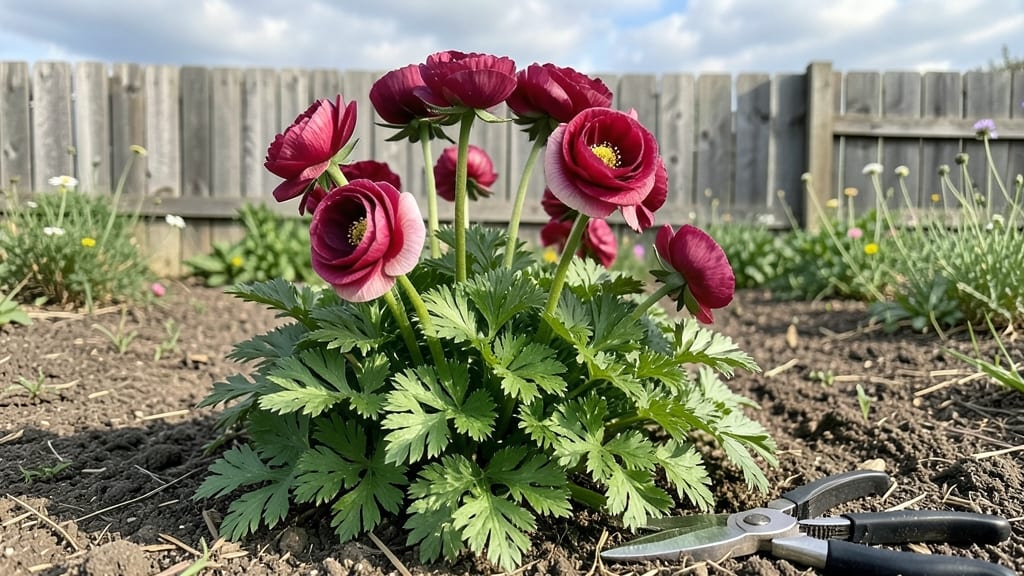
Ranunculus flowers thrive in USDA hardiness zones 3 through 9, making them versatile for cool to temperate climates. They prefer well-drained soil and full sun to partial shade, with optimal blooming in zones 4-8. Plant bulbs in fall for spring color, adjusting timing for milder regions.
Ranunculus bulbs handle freezing temperatures surprisingly well, especially in zones 3-5 where they naturally enter dormancy. The real magic happens in zones 6-9, where consistent moisture and cooler nights trigger those signature layered blooms.
I've found that gardeners in zone 9 often plant theirs in early fall to avoid summer heat stress, while zone 3 growers might wait until late fall when soil temps drop below 50°F.
The key is matching your planting window to your local first frost date - most ranunculus varieties need about 8-12 weeks of cool soil to establish roots before winter.
What sets ranunculus apart is their ability to adapt to different light conditions once established. While they prefer full sun for maximum blooms, they'll tolerate partial shade in hotter zones like 8-9, where afternoon sun can scorch delicate petals.
This flexibility makes them perfect for container gardening or urban yards where space is limited. Just remember: the more sun you provide, the more vibrant those layered petals will become! 🌸
💡 In This Article
- Understanding Ranunculus Hardiness and Climate Needs
- Planting Ranunculus Bulbs by Zone: Step-by-Step Guide
Understanding ranunculus hardiness and climate needs
Ranunculus bulbs contain natural antifreeze proteins that protect their cells from freezing damage, allowing them to survive temperatures as low as -25°F in zone 3. These proteins work by binding to ice crystals and preventing them from growing larger, which is why they can remain dormant through harsh winters.
The real challenge comes in zones 8-9, where summer heat can cause bulbs to overheat and rot if not properly managed. At temperatures above 85°F, the bulbs' metabolic processes accelerate, depleting their energy reserves before dormancy arrives.
Frost timing is critical because ranunculus need a period of cold stratification to break dormancy. In zone 3, bulbs planted in late fall (October-November) experience natural freezing cycles that trigger spring growth.
Meanwhile, in zone 9, gardeners must replicate these conditions by chilling bulbs in the refrigerator for 8-12 weeks before planting. This explains why zone 9 growers often see delayed blooming compared to cooler climates - the bulbs need that artificial cold period to "wake up" properly. 🌱
The layered petals you love so much develop best when daytime temperatures hover between 60-75°F during the growing season. This is why zones 4-8 produce the most vibrant blooms - they offer consistent spring/summer temperatures that match ranunculus' ideal growing range.
In zone 3, where summers are shorter, you'll get smaller but equally stunning flowers because the growing season is compressed. Conversely, zone 9's longer summers can lead to heat stress if bulbs aren't planted in early fall to establish roots before summer arrives.
Dormancy requirements vary dramatically by zone. Zone 3 bulbs enter natural dormancy as soon as soil temperatures drop below 40°F, while zone 9 bulbs need active cooling to trigger dormancy.
What most gardeners don't realize is that ranunculus bulbs actually prefer winter dormancy - this rest period allows them to store energy for next year's blooms.
In zones 6-7, where winters are mild, gardeners should still provide some winter protection by mulching heavily (3-4 inches) to simulate natural cold periods.
Here's what happens when you get the climate wrong: In zone 3, planting too early can cause bulbs to sprout before winter sets in, while in zone 9, planting too late may result in weak root systems that can't handle summer heat.
The sweet spot is planting when soil temperatures are consistently below 60°F but above freezing - this gives roots time to establish without encouraging premature growth. This window typically falls between October and December in most regions, but exact timing depends on your local microclimate.
One fascinating adaptation is how ranunculus handle partial shade differently by zone. In zone 3, they'll tolerate more shade because the growing season is shorter, while zone 9 plants need at least 4-6 hours of morning sun to prevent leggy growth.
The key is understanding that ranunculus are light-sensitive - they measure day length to determine when to bloom. In northern zones, they'll bloom earlier in response to longer daylight, while southern zones may need artificial shade during peak summer to prevent heat damage. 🌿