
Shrubs
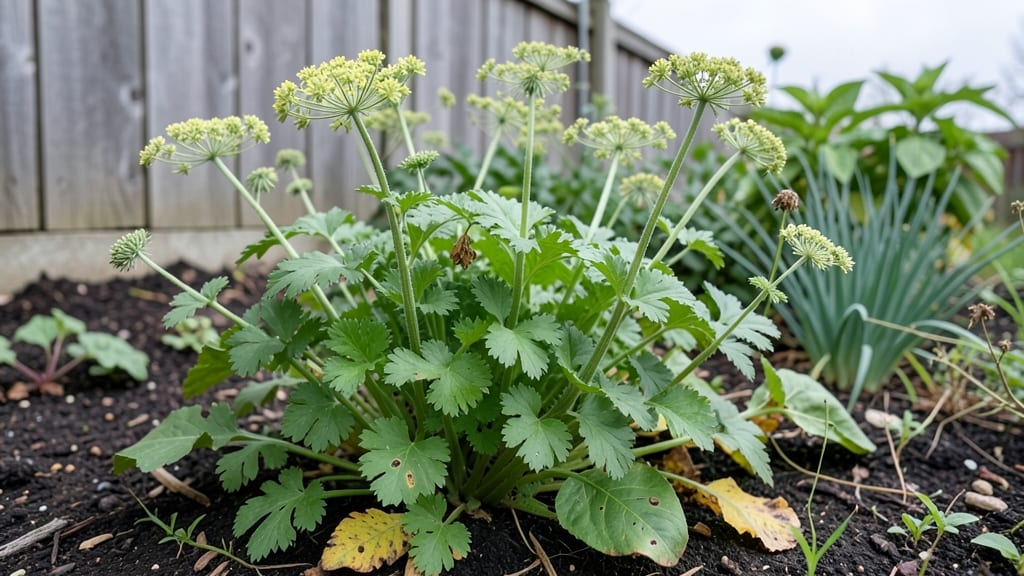
When parsley starts flowering, it’s basically throwing a party instead of making leaves—🌱 and that’s the last thing you want if you’re growing it for flavor. I’ve had my parsley bolt twice in one season, and each time it turned bitter and woody before I could stop it.
The good news? A little pruning at the right time keeps your parsley lush, sweet, and ready for the kitchen.
The problem isn’t just the flowers—it’s what they signal. Once parsley bolts, it’s racing toward seed production, and the leaves it does grow become tough and lose their bright, fresh flavor.
But here’s the fix: snip off those flower stalks as soon as you see them, and you’ll encourage the plant to focus on leafy growth instead. You’ll need just a pair of clean scissors and a few minutes every couple of weeks to keep it under control.
What you’ll end up with is a parsley plant that stays vibrant green and packed with flavor for months longer. The leaves will be tender, bright, and perfect for garnishes or soups—no bitter aftertaste, no wasted effort.
And the best part? You can even use those trimmed flowers in teas or garnishes if you’re feeling creative.
This works for flat-leaf and curly parsley alike, whether you’re growing it in pots on a windowsill or in the ground. The key is staying on top of those flowers before they get too tall—once they’re past 2 inches, the plant’s already decided to prioritize seeds over leaves.
Keep pruning, and your parsley will keep delivering.
📚 In This Guide
- What you need
- Instructions
- Tips and common mistakes
- Wrapping up and next steps
What you need
- ● Fresh parsley plant(s) – Ensure they’re at least 6–12 inches tall with visible flower buds or blooms.
- ● Sharp pruning shears or scissors – Clean, sterilized (70% isopropyl alcohol works great!). Avoid dull tools to prevent damaging stems.
- ○ Gloves (optional but recommended) – Protects hands from sap and rough stems.
- ● Compost bin or potting soil – For repurposing trimmed stems (if desired).
- ● Watering can or hose – With a gentle spray nozzle for post-pruning hydration.
- ● Pruning spray (70% alcohol) – For extra sterilization between cuts.
- ● Balanced liquid fertilizer (5-5-5 or similar) – Diluted to half-strength for a post-prune boost.
- ● Garden twine or labels – If propagating cuttings for new plants.
- ● Sunhat & sunscreen – Because gardening under the sun is always a good time! ☀️
How to revive parsley after flowering starts
Flowering parsley means it’s shifting focus from leaves to seeds—but we’ll stop that in its tracks.
🌿 Step 1: Identify the Flower Stems
Look for thin, wiry stems rising from the center of your parsley. These are the flower stalks, and they’ll quickly turn into seed pods if left alone. I usually spot them when they’re just a few inches tall—this is the perfect time to act. The stems are often lighter green or slightly yellowish compared to the leafy growth.
Don’t wait until flowers appear. Once buds form, the plant diverts energy away from leaves, making them bitter and tough. Grab a pair of clean, sharp scissors or pruning shears—you’ll need them for the next step.
✂️ Step 2: Cut Back Flower Stems at the Base
Snip each flower stem right where it meets the main plant, just above a set of leaves. This encourages the parsley to focus on leaf production instead of seed development. I always cut at a slight angle to prevent water from pooling on the stem, which could cause rot.
Remove as much of the stem as possible—even tiny buds will trigger flowering. If your parsley is large, you might need to make multiple cuts. After trimming, discard the stems or compost them if you don’t want to risk accidental reseeding.
💧 Step 3: Water and Fertilize for Recovery
Give your parsley a deep drink of water right after pruning. The roots need moisture to support new leaf growth, especially since you’ve just removed the energy-consuming flower stalks. Water until the soil is damp 1-2 inches down—you’ll know it’s enough when excess water runs out the drainage hole.
Add a balanced, water-soluble fertilizer (like a 10-10-10 mix) to the water. This gives your parsley a quick nutrient boost to compensate for the energy it lost. I use about ½ teaspoon per gallon of water—just enough to keep the leaves vibrant without overfeeding.
☀️ Step 4: Monitor Light and Space for Regrowth
Parsley needs 4-6 hours of sunlight daily to bounce back after flowering. If your plant was in partial shade, move it to a sunnier spot for a week or two. You’ll notice new growth within 7-10 days—look for fresh, bright green leaves emerging from the base.
If your parsley is crowded, thin out some of the outer stems to improve airflow. This prevents fungal issues and helps the plant redirect energy to the healthiest leaves. A little elbow grease now means lush, flavorful parsley later.
⏰ Step 5: Repeat as Needed for Continuous Harvest
Flowering parsley can rebound multiple times if you stay on top of it. Check your plant every 1-2 weeks for new flower stalks and trim them immediately. Over time, you’ll develop a rhythm—once you see those wiry stems, you’ll know it’s time to act.
With consistent care, your parsley will keep producing tender, flavorful leaves all season. Just remember: the key is speed. The moment you spot a flower stalk, cut it back. That’s how you keep parsley happy and productive.
Tips & tricks for reviving flowering parsley
Here's what nobody tells you about keeping your parsley leafy and productive after those pesky flower stalks appear.
Timing Secret: In Step 1, you'll want to act the moment those wiry stems appear—ideally when they're just a few inches tall. Waiting until buds form means you've already lost valuable leaf production time. I've seen parsley go from lush green to bitter and tough in just 3-4 days once those buds appear, so don't delay!
Pruning Precision: When cutting back those flower stems in Step 2, make your cuts at a 45-degree angle just above a leaf node. This little detail prevents water from pooling on the stem and causing rot. I've ruined more parsley plants than I care to admit by making straight cuts that let water sit on the stem—don't make my mistake!
Recovery Boost: After pruning, the deep watering in Step 3 should reach about 1-2 inches down into the soil. You'll know you've done it right when water starts running out the drainage hole. This gives the roots the moisture they need to bounce back quickly. I always add my fertilizer right after watering so the nutrients get absorbed immediately.
Light Strategy: Parsley needs that 4-6 hours of sunlight daily mentioned in Step 4 to really recover. If your plant was in partial shade before, move it to a sunnier spot for at least a week. I've seen amazing turnarounds when parsley gets proper sunlight—sometimes within just 7 days you'll see fresh new growth emerging from the base.
Pro Tips for Parsley Is Flowering
- Here's what nobody tells you about keeping your parsley leafy and productive after those pesky flower stalks appear.
- Timing Secret: In Step 1, you'll want to act the moment those wiry stems appear—ideally when they're just a few inches tall.
- Pruning Precision: When cutting back those flower stems in Step 2, make your cuts at a 45-degree angle just above a leaf node.
Frequently asked questions
Got questions about parsley flowering? You’re not alone—many gardeners wonder how to manage it for the best harvest. Here are some common concerns and quick answers to keep your parsley thriving!
Why is my parsley flowering?
Parsley flowers as a natural part of its life cycle, usually when it senses longer daylight or stress (like heat or drought). While flowering isn’t harmful, it signals the plant to shift energy from leaves to seeds, reducing flavor and growth. Pinching off blooms redirects nutrients back to your harvest!
When should I trim parsley flowers?
Trim flowers as soon as you spot them—ideally in early spring or late summer—to prevent seed production. For continuous harvests, check parsley every 2–3 weeks during peak growing seasons (spring and fall). A quick snip keeps it lush and leafy!
Can I still use parsley if it’s flowering?
Yes! Flowering parsley is still edible, but the leaves may taste slightly bitter. For the best flavor, harvest leaves from non-flowering stems first. If the whole plant is blooming, trim flowers to encourage new leaf growth—your kitchen (and garden) will thank you!
Will cutting flowers kill my parsley plant?
Nope! Pruning flowers won’t harm your parsley—it actually promotes healthier growth. Just avoid cutting more than ⅓ of the plant at once. For biennial parsley, flowering is a sign it’s maturing; you can either enjoy the seeds or reset growth by trimming blooms.
What if my parsley keeps flowering despite trimming?
Persistent flowering often means your parsley is stressed. Check for:
- Water: Keep soil consistently moist (but not soggy).
- Sun: Ensure 4–6 hours of sunlight daily (too much heat can trigger blooms).
- Fertilizer: Use a balanced, low-nitrogen feed to avoid leafy overgrowth.
Wrapping up and next steps
Watching your parsley flowering doesn’t have to mean the end of its lush green life—it’s simply a sign that it’s thriving! By trimming those blooms promptly, you’ll encourage more vibrant growth and a bountiful harvest for months to come. 🌱
Ready to keep your parsley flourishing? Take action today—grab those shears and give your plants the care they deserve. Your future salads (and happy parsley!) will thank you!