
Pruning
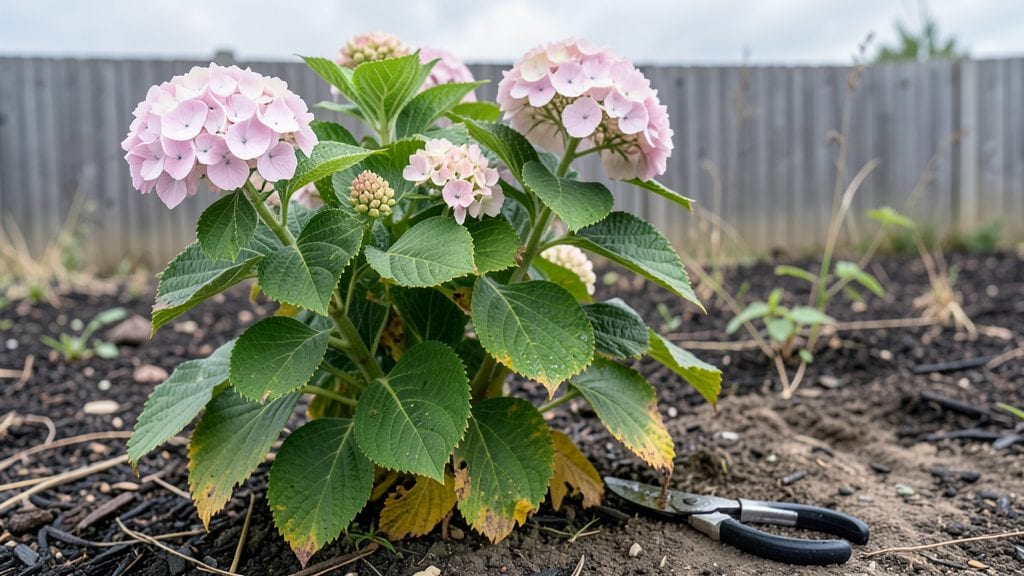
Trimming flowering bushes the right way means more blooms next season—not fewer. ✂️ I’ve turned my overgrown lilac into a lush, blooming powerhouse by learning when to cut and how to shape it properly, and you can too without turning your yard into a pruning disaster.
The key is timing: cut right after blooms fade for spring-flowering bushes like lilacs, or wait until late winter for summer bloomers like hydrangeas. You’ll need sharp bypass pruners, gloves, and a clear day—no foggy mornings where tools slip. Most people over-cut, but a few strategic snips encourage fuller growth.
By following the right technique, you’ll end up with bushes that burst with color all season long. The secret is cutting back just enough to shape without stripping the plant of its energy.
Think of it like giving your bush a haircut—too much, and it gets stressed; just right, and it thrives.
This works for roses, hydrangeas, azaleas, and more—no matter your yard size or bush type. Let’s get those blooms back in full force without the guesswork.
📚 In This Guide
- What you need
- Instructions
- Tips and common mistakes
- Wrapping up and next steps
What you need
- ● Bypass pruners – Sharp, high-quality pruners (like Felco F-2 or Gonicc) for clean cuts on small stems.
- ● Loppers – For thicker branches (¼"–1" diameter), opt for bypass-style loppers (e.g., Felco 201).
- ○ Hand pruners (optional but handy) – For delicate trimming or tight spots (e.g., Fiskars ErgoSoft).
- ● Garden saw – A pruning saw (like Corona CS9800) for stubborn, thick branches (1"–2" diameter).
- ● Disinfectant (70% isopropyl alcohol or bleach solution) – Wipe tools between cuts to prevent disease spread.
- ● Garden gloves – Heavy-duty gloves (e.g., Wolverine Waffle Grip) to protect from thorns or sap.
- ○ Pruning sealant (optional but recommended) – A tree wound sealant (like Tanglefoot Tree Wound Pruning Seal) for large cuts to prevent decay.
- ● Check the best time to trim—most flowering bushes bloom on old wood (trim after flowering) or new wood (trim before buds swell).
- ● Gather a bucket or bag for clippings (compost or dispose of diseased branches separately).
- ● Wear long sleeves/pants if your bush has thorns (e.g., roses, pyracanthas).
- ● Have a ladder or stool ready if your bush is taller than 6 feet.
Step-by-Step instructions for trimming flowering bushes
Here's the method I've used to keep my bushes lush and blooming season after season.
✂️ Step 1: Gather the Right Tools and Timing
First, grab your sharp bypass pruners—dull blades tear stems and invite disease. I also keep a hand pruner for smaller cuts and a loppers for thicker branches. The best time to trim most flowering bushes is right after they finish blooming, usually in late spring or early summer. This ensures you don't cut off next year's flower buds.
Check your bush's blooming cycle first—some, like lilacs, bloom early spring, so you'd trim them right after flowers fade. Others, like roses, bloom repeatedly and can be trimmed after each flush. Watch for spent blooms to drop naturally before you start cutting.
✂️ Step 2: Remove Dead or Damaged Wood
Start by scanning the bush for any dead, diseased, or crossing branches. Dead wood is easy to spot—it's brown, brittle, and doesn't bend. Cut these out first at the base of the branch, making clean cuts at a 45-degree angle just outside the branch collar (that swollen area where the branch meets the trunk).
For diseased branches, sterilize your pruners with rubbing alcohol between cuts to prevent spreading pathogens. I always work from the bottom up, removing larger branches first. This gives me a clear view of the bush's structure and helps me see which branches need thinning next.
✂️ Step 3: Thin Out Crowded Branches
Now focus on thinning the interior of the bush to improve air circulation. Look for branches growing inward or rubbing against each other—these compete for sunlight and nutrients. Cut these back to the point where they branch off from another stem, making sure to leave at least 1/4 inch of a healthy bud or branch.
I aim to remove about 20-30% of the oldest wood each year to encourage new growth. You'll know you're doing it right when you can see light filtering through the center of the bush. Avoid cutting more than 1/3 of the bush's total volume in one season—this can stress the plant.
✂️ Step 4: Shape and Encourage Fullness
For a natural look, I lightly shape the bush by cutting back the longest branches to just above a leaf node or bud. This encourages branching at that point. If your bush looks leggy, cut the top growth back by about 1/3 to promote bushier growth lower down.
For formal shapes, use your pruners to create clean lines, cutting just outside the bud that faces the direction you want growth to go. Step back frequently to check your progress—it's easy to over-prune when you're close up. Remember, slight shaping is better than aggressive trimming.
🌿 Step 5: Clean Up and Maintain
After trimming, rake up all the debris and dispose of it properly—don't leave clippings on the ground where they can harbor pests. Sterilize your tools again with rubbing alcohol or a bleach solution (1 part bleach to 9 parts water) to prevent disease spread.
Water the bush thoroughly after pruning to help it recover. I've found that applying a balanced fertilizer (10-10-10) right after trimming gives the bush a little boost. Then, keep an eye on it for new growth—you'll see fresh leaves and buds within a few weeks if you've done it right.
Tips & tricks for perfect flowering bush trimming
Here's what I've learned from years of pruning—these tricks will help you avoid common mistakes and keep your bushes thriving.
Tool Sharpness is Non-Negotiable: Before you start, test your pruners on a scrap piece of wood. If they don't cut cleanly, sharpen them! Dull blades crush stems instead of cutting cleanly, which invites disease and weakens the plant. I always keep a small file in my gardening toolkit for quick touch-ups between sessions.
Timing is Everything: In Step 1, when you're waiting for blooms to fade naturally, here's a pro tip: For spring-blooming bushes like lilacs, trim immediately after flowers drop—but never cut back into last year's growth. For repeat bloomers like roses, you can trim after each flush, but always leave at least 3-4 sets of leaves below where you cut to ensure next season's buds form properly.
The 45-Degree Angle Secret: When making cuts in Step 2, that 45-degree angle isn't just for looks—it helps water run off the cut and prevents rot. Make sure your cut is just outside the branch collar (that little swollen area) to encourage proper healing. For larger branches, use your loppers and cut slowly to avoid tearing the bark.
Light Test for Proper Thinning: In Step 3, when you're thinning crowded branches, here's how to know you're doing it right: After removing about 20-30% of the oldest wood, stand back and look through the center of the bush. You should be able to see sunlight filtering through to the ground below—this means you've improved air circulation without over-thinning.
Pro Tips for Trim A Flowering Bush
- Here's what I've learned from years of pruning—these tricks will help you avoid common mistakes and keep your bushes thriving.
- Tool Sharpness is Non-Negotiable: Before you start, test your pruners on a scrap piece of wood.
- Timing is Everything: In Step 1, when you're waiting for blooms to fade naturally, here's a pro tip: For spring-blooming bushes like lilacs, trim immediately after flowers drop—but never cut back into last year's growth.
Frequently asked questions
Got questions about keeping your flowering bushes in top shape? Here are some of the most common concerns—and their answers—to help you trim with confidence!
When is the best time to trim a flowering bush?
The ideal timing depends on your bush! For spring-blooming varieties (like lilacs or azaleas), trim right after flowering to avoid cutting off next year’s buds. For summer- or fall-blooming bushes (like hibiscus or roses), prune in late winter or early spring before new growth starts. Always check your plant’s specific needs—over-trimming too early can rob you of blooms!
How much can I cut off a flowering bush without harming it?
As a general rule, never remove more than 1/3 of the bush’s total growth in one session. For most flowering bushes, a light to moderate trim (10–20% of the foliage) is safe. Over-pruning can stress the plant, reduce flowering, or even invite pests. If your bush looks severely overgrown, space trims over 2–3 years to avoid shock.
Why did my flowering bush stop blooming after pruning?
If your bush is not flowering post-prune, you might’ve trimmed too late or too aggressively. Spring-bloomers set buds the previous summer/fall, so cutting them back early removes next year’s flowers. For summer/fall bloomers, prune early in the season and avoid deadheading (removing spent blooms) if you want more flowers. Check for pests, disease, or nutrient deficiencies too—sometimes the issue isn’t the pruners!
Can I shape a flowering bush into a specific form (like a hedge or topiary)?
Yes! Many flowering bushes (like roses, hydrangeas, or abelia) respond well to shaping, but timing and technique matter. Start with a light trim to establish your desired shape, then gradually refine it over several sessions. Use hand pruners for detail work and hedge shears for cleaner edges. Avoid heavy shaping in peak bloom seasons—wait until after flowering for best results.
What should I do if I accidentally prune too much?
Don’t panic! If you’ve over-pruned, stop cutting immediately and focus on recovery. Water deeply to reduce stress, and fertilize lightly with a balanced, slow-release fertilizer. Avoid pruning for at least 6–8 weeks to let the bush regenerate. In the meantime, mulch around the base to retain moisture and protect roots. Most healthy bushes bounce back—just give them time!
Wrapping up and next steps
Trimming your flowering bush doesn’t have to be intimidating—with the right tools, timing, and technique, you’ll encourage lush, vibrant blooms for seasons to come! 🌸 Remember to prune selectively, sterilize your tools, and focus on shaping while preserving the bush’s natural form.
Whether you’re a beginner or a seasoned gardener, a little patience and precision go a long way.
Now that you’re armed with knowledge, grab those shears and get pruning! 🌿 For even better results, consider tracking your bush’s growth or experimenting with different pruning styles next season. Happy gardening!