
Planting
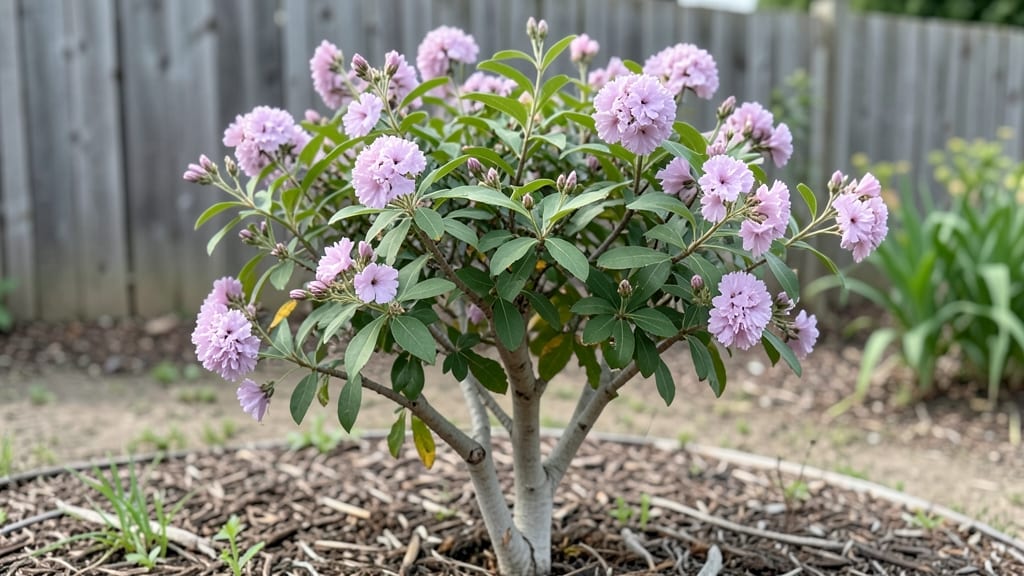
The pagoda flower plant (Lagerstroemia speciosa) brings a touch of tropical drama to any garden with its velvety blooms and fragrant perfume. 🌿 I’ve grown these stunners for years, and they’ve never failed to turn heads—especially when they burst into color twice a year.
The key? Mimicking their native Southeast Asian habitat with just the right balance of sun, soil, and patience.
These trees thrive in full sun, where they’ll reward you with 3-4 feet of new growth annually and clusters of flowers in shades of pink, purple, or white. Well-draining soil is non-negotiable—soggy roots mean fewer blooms, and nobody wants that.
Plant them 15-20 feet apart if you’re going for a single specimen, or closer for a hedge that smells like a summer evening.
Watering’s simple once established: deep soaks every 1-2 weeks in dry spells, but let the top 2 inches of soil dry out between drinks. Prune in late winter to shape the tree and remove dead wood, and you’ll see fresh growth by spring.
The fragrance alone makes it worth the effort—imagine walking past a tree heavy with blossoms, the scent lingering in the air.
Perfect for warm climates (zones 8-11) but can handle cooler snaps with a little winter protection. Whether you’re lining a driveway or adding height to a mixed border, this plant delivers elegance without the fuss. Let’s get yours thriving!
📚 In This Guide
- What you need
- Instructions
- Tips and common mistakes
- Wrapping up and next steps
What you need
- ● Pagoda flower plant: 1–3 nursery-grown saplings (3–6 ft tall, pH-tolerant varieties like Lagerstroemia indica or speciosa for best results)
- ● OR seeds (collect from mature flowers or buy from specialty seed suppliers—germination can take 30–60 days!)
- ● Well-draining soil: Mix 60% native soil with 40% compost or organic matter (aim for a pH of 5.5–6.5)
- ● Fertilizer: Balanced granular fertilizer (10-10-10 or 20-20-20, 2–3 tbsp per plant)
- ● Slow-release organic fertilizer (e.g., bone meal or worm castings, 1 cup per plant)
- ● Mulch: 2–3 inches of pine bark or shredded leaves to retain moisture and regulate temperature
- ● Garden trowel or shovel (for digging holes 3x wider than the root ball)
- ● Watering can or hose with a gentle spray nozzle
- ● Pruning shears (sterilized with rubbing alcohol for cuttings)
- ○ Gloves (optional but recommended—pagoda flowers can have thorns!)
- ● Measuring tape (to ensure proper spacing: 10–15 ft apart for mature plants)
- ● Epsom salt (1 tbsp dissolved in water, monthly for magnesium boost)
- ● Pest control: Neem oil spray or insecticidal soap (for aphids or scale)
- ● Stakes or trellis (if growing in windy areas—pagoda flowers can reach 30+ ft tall!)
- ● Drip irrigation system (for automated watering in hot climates)
Step-by-Step guide to growing a thriving pagoda flower plant
Here's how to nurture this fragrant beauty into a long-blooming centerpiece for your garden.
🌱 Step 1: Select the Perfect Spot for Planting
Pagoda flowers love bright, indirect light—think dappled sunlight through trees rather than harsh afternoon rays. I always choose a location with 4-6 hours of morning sun and afternoon shade. Too much direct sun scorches the delicate blooms, while too little light causes sparse flowering.
Check the spot's moisture level before planting. Pagoda flowers prefer consistently moist but never soggy soil. If your garden drains poorly, amend the area with 2-3 inches of compost mixed into the top 12 inches of soil. This improves drainage while retaining moisture—critical for these tropical beauties.
🪴 Step 2: Prepare the Planting Site
Dig a hole twice as wide as the plant's root ball but only as deep as the container it came in. This prevents planting too deeply, which can suffocate roots. Gently loosen the outer edges of the root ball with your fingers to encourage roots to spread outward rather than circling.
Place the plant in the hole and backfill with native soil mixed with 1 part compost to improve fertility. Water deeply to settle the soil and eliminate air pockets. You'll know you've done it right when the soil surface looks slightly firm and the plant sits at the same level it did in its container.
☀️ Step 3: Establish a Consistent Watering Routine
Water your pagoda flower 1-2 times per week, depending on your climate. The key is keeping the soil evenly moist but never waterlogged. I always check moisture by sticking my finger 1 inch into the soil—if it feels dry, it's time to water. Overwatering is the fastest way to kill these plants, so always ensure pots have drainage holes.
Mulch around the base with 2-3 inches of organic mulch to conserve moisture and regulate soil temperature. Keep the mulch 2 inches away from the plant stem to prevent rot. You'll notice fewer weeds and more consistent blooms once you establish this routine.
✂️ Step 4: Prune and Fertilize for Continuous Blooms
Deadhead spent blooms regularly to encourage new flowers. Simply pinch off the faded blossoms with your fingers or small pruners. This redirects the plant's energy toward producing more flowers instead of setting seed. I do this every 2-3 weeks during the blooming season.
Feed your pagoda flower with a balanced liquid fertilizer every 4-6 weeks during the growing season. Dilute the fertilizer to half-strength to avoid burning the roots. You'll see richer foliage and more abundant blooms within a few weeks of consistent feeding.
🌿 Step 5: Protect and Maintain Through Seasons
In winter, move potted pagoda flowers to a sheltered location or indoors where temperatures stay above 50°F. Reduce watering to once every 2-3 weeks as growth slows. If growing in the ground, apply a 3-inch layer of mulch to protect roots from freezing temperatures.
Watch for pests like aphids or spider mites, which love the tender new growth. Spray infested areas with a mild insecticidal soap solution if you notice sticky residue on leaves or tiny webs. Regularly inspect the undersides of leaves where pests often hide.
Tips & tricks for perfect pagoda flower plant care
Real talk: The difference between a thriving pagoda flower and one that struggles often comes down to these small but critical details. I've seen these delicate beauties go from wilting to blooming abundantly just by paying attention to what most gardeners overlook.
Lighting Strategy: In Step 1, when you're choosing that perfect spot with 4-6 hours of morning sun, watch for subtle clues. The leaves should have a vibrant green color—not yellowing from too much sun or pale from too little. If your garden lacks natural dappled light, consider placing your pagoda flower near a sheer curtain window where it gets bright but indirect light. I've used sheer white curtains to diffuse harsh afternoon sun, and it made all the difference in preventing leaf scorch.
Soil Science: The 2-3 inches of compost mixed into the top 12 inches of soil in Step 1 isn't just about drainage—it's about creating the perfect sponge-like environment. I always test my soil's moisture by pressing my finger 1 inch deep (as mentioned in Step 3) before watering. If it feels like a damp sponge, wait another day. Too many gardeners drown these tropical beauties by assuming "more water is better." The roots need oxygen too!
Pruning Precision: When you're deadheading every 2-3 weeks in Step 4, don't just snip off the dead flowers—look for the first set of leaves below the bloom. Pinch just above that leaf pair to encourage bushier growth. I learned this the hard way after my pagoda flower grew leggy and sparse. This simple technique has given me flowers that last weeks longer and grow much fuller.
Seasonal Transition: The 50°F winter threshold in Step 5 is non-negotiable, but here's what I do differently: I move potted pagoda flowers to a bright, east-facing window where they get indirect light all winter. This maintains their blooming cycle. For outdoor plants, I add a thick layer of straw mulch (instead of just 3 inches) to insulate roots better in freezing climates. The extra insulation makes all the difference in protecting these tropical plants from winter damage.
Pro Tips for Pagoda Flower Plant
- Real talk: The difference between a thriving pagoda flower and one that struggles often comes down to these small but critical details.
- Lighting Strategy: In Step 1, when you're choosing that perfect spot with 4-6 hours of morning sun, watch for subtle clues.
- Soil Science: The 2-3 inches of compost mixed into the top 12 inches of soil in Step 1 isn't just about drainage—it's about creating the perfect sponge-like environment.
Frequently asked questions
Got questions about keeping your pagoda flower plant thriving?
Here are some of the most common concerns—plus expert tips to keep those fragrant blooms coming year-round!
How often should I water my pagoda flower plant?
Water your pagoda flower (often called Lagerstroemia) when the top 1–2 inches of soil feel dry. Aim for deep watering 1–2 times per week during hot months, but reduce to once a week in cooler seasons. Overwatering can cause root rot, so ensure well-draining soil. Pro tip: Mulch around the base to retain moisture and regulate soil temperature!
When is the best time to prune my pagoda flower?
Prune your pagoda flower late winter or early spring (before new growth starts) to shape the plant and encourage blooms. You can also do a light trim after flowering to maintain its form. Avoid heavy pruning in fall—it can stimulate tender new growth that won’t survive winter. Use clean, sharp pruners to prevent disease.
Can pagoda flowers survive cold winters?
Most pagoda flower varieties are hardy to USDA zones 6–9, meaning they can handle winters down to −10°F (−23°C). For colder climates, mulch heavily around the base and protect young plants with burlap wraps. If you’re in zone 5 or below, consider growing them in containers and moving them indoors or to a garage during winter.
What are some alternatives if my pagoda flower isn’t blooming?
If your pagoda flower skips blooms, check these fixes:
- Sunlight: Ensure it gets 6+ hours of full sun daily—partial shade can reduce flowering.
- Fertilizer: Use a balanced, slow-release fertilizer in early spring (e.g., 10-10-10). Avoid high-nitrogen feeds, which promote leafy growth over flowers.
- Pruning: Prune dead or overcrowded branches to improve air circulation and encourage new blooms.
- Age: Young plants may take 2–3 years to bloom—patience is key!
Are pagoda flowers toxic to pets or kids?
Great news! Pagoda flowers (Lagerstroemia) are non-toxic to both pets and humans, according to the ASPCA. You can safely grow them around kids and curious pets without worry. However, always monitor new plants—some pets may nibble out of curiosity.
Wrapping up and next steps
The pagoda flower plant is a stunning addition to any garden or home, offering year-round beauty and intoxicating fragrance with minimal fuss. Whether you’re drawn to its delicate blooms or its hardy nature, this plant rewards patience and care with months of elegance.
Now that you’re equipped with the right tools and answers to common questions, it’s time to roll up your sleeves and get planting!
Start by choosing your perfect spot—sunny, sheltered, and well-draining—and soon, you’ll be enjoying a fragrant oasis. Happy gardening! 🌸✨