
Shrubs
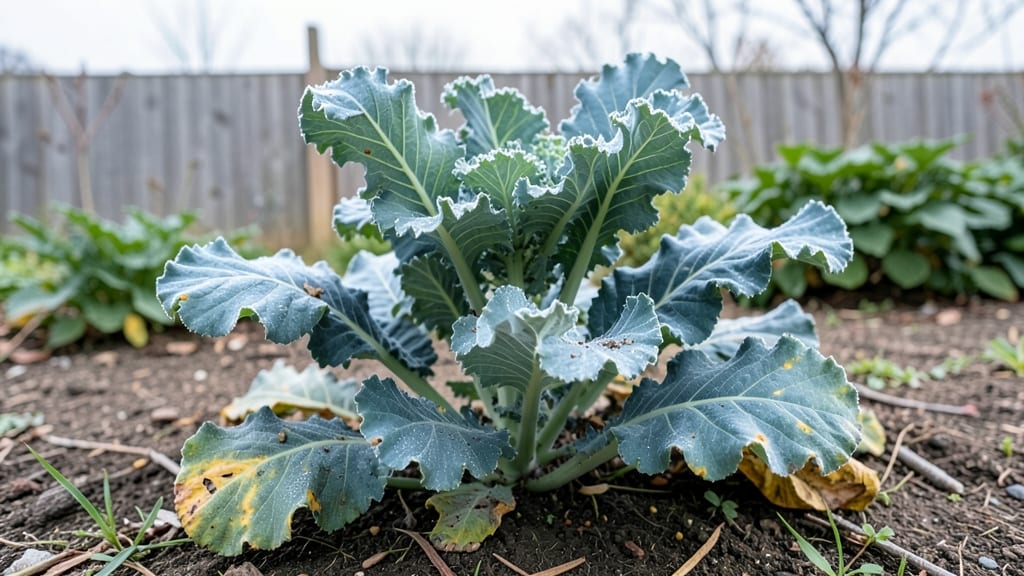
Ornamental flowering kale transforms gardens into jewel-toned winter wonderlands with almost no effort. 🌿 I’ve used it in containers, borders, and even as a living centerpiece—its deep purples, fiery oranges, and frosty whites bring color when most plants fade.
The secret lies in its versatility: it thrives in cool weather, resists pests, and pairs beautifully with evergreens or late-blooming perennials.
Start with young plants in late summer or early fall for fall-through-spring color. Choose compact varieties like ‘Rosette’ or ‘Dwarf Blue Curled’ for containers, or let larger types like ‘Russian Red’ spill over garden edges.
Pair it with ornamental grasses, pansies, or dusty miller for contrast—textures and colors that complement its velvety leaves. Even in partial shade, it delivers drama.
By winter, your garden becomes a textured masterpiece—imagine burgundy kale against snow or silver foliage, or its neon hues brightening a dull patio. The best part? It’s low-maintenance: just water occasionally and pinch back leggy growth. No deadheading, no fuss. Let it shine as the season’s star.
For extra flair, harvest leaves for seasonal arrangements or use it as a living garland. The possibilities stretch beyond the garden—think holiday wreaths or dinner party centerpieces. With just a few plants, you’ll have year-round interest that outshines seasonal blooms.
📚 In This Guide
- What you need
- Instructions
- Tips and common mistakes
- Wrapping up and next steps
What you need
- ● Ornamental Kale Seeds or Plants: Choose cold-hardy varieties like Kale ‘Red Russian,’ ‘Dwarf Blue Curled,’ or ‘Winterbor’ (available at nurseries or online seed shops).
- ● Quantity: 3–5 plants per container or 1 plant per 12-inch square in garden beds.
- ● Well-Draining Soil Mix: 50% potting soil + 50% perlite or coarse sand (for containers).
- ● For in-ground planting: Amend garden soil with compost (1 part compost to 3 parts soil).
- ● Containers (if not planting in ground): 5–7 gallon pots with drainage holes (minimum 12 inches deep).
- ○ Fabric grow bags (optional, for better aeration).
- ● Fertilizer: Balanced slow-release fertilizer (10-10-10) or fish emulsion (diluted to half-strength).
- ● Apply at planting and again after 6 weeks.
- ● Basic Gardening Tools: Trowel or small shovel
- ○ Gloves (optional, for handling prickly leaves)
- ● Watering can or hose with a gentle spray nozzle
- ● Mulch: Straw or shredded leaves to retain moisture and protect roots in winter.
- ● Epsom Salt: 1 tbsp per gallon of water (monthly spray for deeper green foliage).
- ● Garden Stakes or Labels: To mark varieties and protect delicate stems in windy areas.
- ● Shade Cloth (30–50% coverage): For hotter climates to prevent bolting (flowering too early).
Step-by-Step instructions for growing ornamental flowering kale
Here's how to coax vibrant, frost-hardy color from your garden with minimal effort.
🌱 Step 1: Choose the Right Variety and Planting Time
Select cold-hardy varieties like 'Rosetta Purple', 'Dwarf Green Curled', or 'Red Russian'—these thrive in cooler weather. Start seeds indoors 6-8 weeks before your first frost or buy transplants in early fall. I've found that planting in late summer to early fall ensures vibrant foliage before winter sets in.
If you're sowing directly outdoors, wait until late summer when nighttime temperatures drop below 70°F. Kale seeds germinate best in 55-65°F soil, so avoid planting when heat lingers. Use the 3-gallon potting mix to fill seed trays or individual pots, pressing it down gently to create a firm, even surface for seeds.
💧 Step 2: Sow Seeds at Proper Depth and Water Gently
Plant seeds ¼ inch deep, spacing them 12-18 inches apart—this gives mature plants room to develop their stunning rosettes. I like to use a toothpick to poke small holes in the soil, then drop 2-3 seeds per hole (you can thin later). Cover lightly with a sprinkle of additional mix, just enough to hide the seeds.
Water immediately after sowing with a spray bottle to avoid displacing seeds. Keep the soil consistently moist but not soggy—damp to the touch is ideal. Place trays or pots in a warm, bright spot (65-75°F) until germination, which typically occurs in 7-14 days. Avoid letting the soil dry out completely during this time, or seeds may fail to sprout.
☀️ Step 3: Provide Bright Light and Cool Temperatures
Once seedlings emerge, move them to a location with full sun to partial shade—4-6 hours of direct sunlight is perfect for ornamental kale. If growing indoors near a window, rotate pots quarter-turn daily to prevent lopsided growth. You'll notice seedlings developing first true leaves (the second set after the initial cotyledons) within 2-3 weeks.
Kale thrives in cooler weather, so avoid temperatures above 75°F—heat stress causes bolting (premature flowering) and dulls color. If summer heat arrives early, provide afternoon shade with a lightweight shade cloth (30-50% shade). Water at the base of plants to keep foliage dry, reducing the risk of fungal diseases like downy mildew.
✂️ Step 4: Thin Seedlings and Maintain Moisture
When seedlings reach 2 inches tall, thin to the strongest plant per pot or 12 inches apart in the garden. Use clean scissors to snip unwanted seedlings at soil level—this prevents disturbing roots of remaining plants. I always keep a few extra seedlings just in case, but ornamental kale is forgiving and often self-seeds.
Water 1-2 times per week, depending on rainfall, ensuring the top 2 inches of soil stay moist. Kale is drought-tolerant once established, but consistent moisture during growth produces the most vibrant colors. Apply a balanced liquid fertilizer (10-10-10) every 4-6 weeks to encourage lush foliage. Stop fertilizing 4-6 weeks before first frost to allow foliage to harden off.
🪴 Step 5: Harvest and Enjoy Year-Round Color
Harvest outer leaves as needed, but leave the center intact to maintain the plant's stunning rosette shape. Kale's colors intensify with cold exposure, so plants look their best after a light frost. If you're growing in containers, bring pots indoors before extreme cold (below 20°F) to extend the season.
For a winter display, choose a sheltered spot where plants receive bright light (a south-facing window or under grow lights). Reduce watering slightly in winter—every 10-14 days—since growth slows. With proper care, your ornamental kale will reward you with bold colors for months, long after other annuals have faded.
Tips & tricks for perfect ornamental flowering kale
These simple strategies will help you cultivate stunning ornamental kale that thrives through every season.
Variety Selection: The cold-hardy varieties like 'Rosetta Purple' and 'Red Russian' are your best bets for vibrant color and frost resistance. I've found that these varieties maintain their striking hues even after light frosts, which is why I always recommend them for year-round displays. The key is selecting varieties bred for ornamental purposes rather than edible kale—this ensures the boldest colors and most dramatic foliage patterns.
Soil Temperature Matters: Kale seeds need soil temperatures between 55-65°F to germinate properly. I've learned this the hard way—planting too early in warm soil leads to slow or uneven germination. Use a soil thermometer to confirm temperatures before sowing, especially if your spring or fall seasons have unpredictable weather patterns. The 3-gallon potting mix recommendation in Step 1 creates ideal conditions for consistent germination.
Light Management: Ornamental kale thrives with 4-6 hours of direct sunlight, but too much midday summer sun can stress plants and cause color fading. I've had the most success with morning sun and afternoon shade during hot summer months. For container growers, rotate pots quarter-turn daily to prevent lopsided growth—this ensures even color development across all leaves.
Frost Enhancement: Kale's colors actually intensify after a light frost, which is why I always aim to have plants established by late summer. The below 20°F threshold mentioned in Step 5 is when you'll need to bring container plants indoors. For garden plants, a light frost enhances the purple and red hues, making them perfect for winter arrangements. Just be mindful that extreme cold (below 20°F) can damage even hardy varieties.
Pro Tips for Ornamental Flowering Kale
- These simple strategies will help you cultivate stunning ornamental kale that thrives through every season.
- Variety Selection: The cold-hardy varieties like 'Rosetta Purple' and 'Red Russian' are your best bets for vibrant color and frost resistance.
- Soil Temperature Matters: Kale seeds need soil temperatures between 55-65°F to germinate properly.
Frequently asked questions
about ornamental flowering kale—because growing these vibrant beauties should be as easy as snapping your fingers! Here’s what you really need to know before diving in.When is the best time to plant ornamental flowering kale?
Plant in late summer to early fall (August–September) for a stunning winter display. If you’re in a milder climate (Zones 8–10), you can even plant in early spring for a spring-to-fall show. Just avoid extreme heat—these plants prefer cooler temps (40–65°F)!
How do I keep ornamental flowering kale from bolting or dying in heat?
These plants are cool-season champs but struggle in summer heat. To protect them:
- Provide shade (30–50%) during peak afternoon sun.
- Water deeply but infrequently—keep soil moist but not soggy.
- Mulch with straw or bark to insulate roots and retain moisture.
Can I grow ornamental flowering kale in containers? If so, what size pot do I need?
Containers are perfect for patios or small spaces. Use a pot at least 12–14 inches wide and deep with drainage holes. Choose a well-draining potting mix (add perlite or sand for extra airflow), and place the pot where it gets morning sun + afternoon shade.
What pests or diseases should I watch for, and how do I treat them?
Ornamental kale is low-maintenance but not pest-proof. Common issues:
- Aphids or cabbage worms: Spray with neem oil or introduce ladybugs.
- Powdery mildew: Improve airflow and avoid overhead watering.
- Deer/slugs: Use physical barriers (row covers, copper tape).
What can I plant alongside ornamental flowering kale for a year-round garden?
Pair it with complementary cool-season plants for a non-stop color show:
Season
Plant Pairings
Fall/Winter
Pansies, cyclamen, dusty miller, or Helleborus (Lenten rose)
Spring
Primroses, sweet alyssum, or Calendula (pot marigold)
Summer (if you replant)
Zinnias, coleus, or Celosia (for heat tolerance)
Wrapping up and next steps
Ornamental flowering kale is a game-changer for adding vibrant, low-maintenance color to your garden—no green thumb required! 🌿 With its stunning hues and cold-hardy nature, it’s perfect for year-round visual appeal. Whether you’re a seasoned gardener or just starting out, these plants bring effortless beauty to any space.
Ready to level up your garden? Start by picking your favorite variety, then grab some seeds or seedlings and get planting! With just a little care, you’ll enjoy a showstopping display that keeps giving, season after season.