
Tools
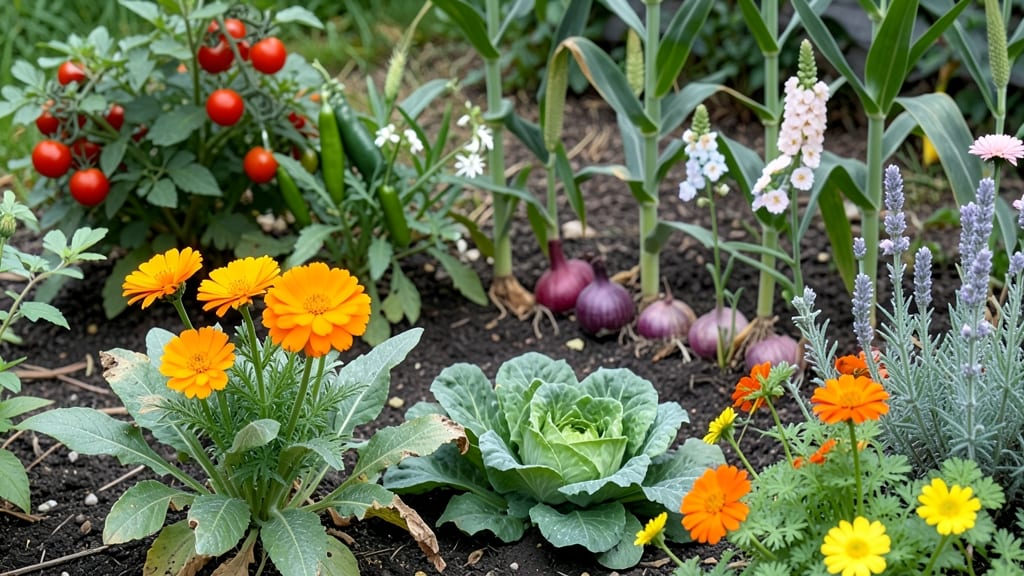
A mixed flower and vegetable garden isn't just practical—it's a living ecosystem where every plant plays a role, from the marigolds that deter pests to the basil that repels flies.
I designed my first one after watching bees and butterflies vanish from my neighborhood, and within weeks, the garden transformed from a patch of dirt into a buzzing, blooming haven.
The key isn't just planting flowers with veggies; it's creating a layout where they support each other, from root crops that loosen soil to flowers that attract pollinators to your tomatoes.
The beauty of this setup is that it works in small spaces or sprawling plots—whether you're tucking nasturtiums between your lettuce or dedicating a third of your yard to pollinator-friendly borders.
You'll need a mix of sun-loving annuals (like zinnias) and perennials (such as lavender) that thrive alongside your greens, plus a plan for spacing that keeps everything accessible.
My first attempt was a chaotic mess, but once I mapped out "zones"—herbs near the kitchen, flowers near the veggies—I never looked back.
By summer's end, you'll harvest more than just produce: your garden becomes a magnet for hummingbirds, ladybugs, and honeybees, all while reducing pests organically.
The flowers add color and texture that make weeding feel like a joy, not a chore, and the vegetables grow stronger because the soil stays healthy and alive. This isn't just gardening—it's creating a thriving, self-sustaining piece of nature right in your backyard.
From cottage-style borders to modern edible landscapes, the themes are endless. Even if you're starting with a single raised bed, the principles scale. Let's turn your garden into a place where every plant has a purpose—and every visitor, from humans to honeybees, feels welcome.
📚 In This Guide
- What you need
- Instructions
- Tips and common mistakes
- Wrapping up and next steps
What you need
- ● Garden Plot: 4’x8’ (minimum) raised bed or in-ground space (adjust based on your layout). Pro tip: Use untreated wood or cedar for raised beds to avoid chemical leaching!
- ● Soil: 2–3 cubic yards of high-quality garden soil (mix organic compost + native topsoil, 60/40 ratio).
- ● 1–2 bags of composted manure (cow, chicken, or worm castings).
- ● Seeds/Plants: Vegetables: 10–15 plants/seeds (e.g., tomatoes, carrots, basil, beans—pick blank">pollinator-friendly varieties).
- ● Flowers: 20–30 plants/seeds (e.g., marigolds, alyssum, coneflowers, lavender). Aim for 3–4 flower types for continuous blooms.
- ● Basic Tools: 1 garden trowel (for planting).
- ● 1 pruners (bypass type for clean cuts).
- ● 1 garden fork (for soil aeration).
- ● 1 watering can (2–3 gallons) or soaker hose (50 ft).
- ● Mulch: 2–3 bags of organic mulch (straw, wood chips, or shredded leaves).
- ○ Drip Irrigation Kit (optional but recommended): 10–20 ft kit with timer for efficiency.
- ● Pollinator Hotel: A small blank">bee house or solitary bee blocks to attract native species.
- ● Trellises/Stakes: 3–5 bamboo stakes or tomato cages for climbing plants (e.g., cucumbers, beans).
- ● Soil Test Kit: To check pH and nutrient levels (ideal: 6.0–7.0 pH).
- ● Compost Bin: For year-round nutrient recycling.
- ● Garden Journal: Notebook to track plant progress and pollinator visits! 📝
Step-by-Step instructions for designing a pollinator-friendly mixed garden
Here's how to plan a garden that supports bees, butterflies, and birds while producing food.
Map Your Garden Layout by Plant Families
Start by sketching your space and grouping plants by their needs. Place tall vegetables like corn and sunflowers on the north side to avoid shading shorter plants. I always dedicate one corner to flowers—this attracts pollinators early in the season when vegetables aren't blooming yet. Use the 3-foot rule: keep flowers within 3 feet of vegetables to maximize pollination.
Arrange your garden in three layers: tall plants (like trellised beans or sunflowers) in the back, mid-height plants (tomatoes, peppers) in the middle, and low-growing flowers (marigolds, alyssum) in the front. This creates a natural progression for pollinators to move through the garden. I like to leave 6-inch gaps between plants to allow easy movement for bees and butterflies.
Choose Companion Plants for Pollinator Support
Select flowers that bloom at different times to provide continuous nectar from spring through fall. Early bloomers like bachelor's buttons and snapdragons get pollinators started, while late-season favorites like zinnia and cosmos keep them around until frost. I always include native wildflowers—they're the most effective for local pollinators.
Pair vegetables with their best pollinator friends:
- Tomatoes thrive near basil and marigolds
- Cucumbers love nasturtiums and borage
- Squash benefits from alyssum and calendula
This combo ensures flowers are always nearby when vegetables need pollination. Avoid using pesticides—even organic ones can harm beneficial insects.
Prepare Soil and Plant for Maximum Growth
Test your soil's pH and amend it to 6.0-7.0—this range suits most vegetables and flowers. I mix in 2-3 inches of compost before planting to improve drainage and fertility. For pollinator plants, focus on well-draining soil—they hate soggy roots. Plant seeds or transplants according to package instructions, keeping them 12-18 inches apart for good airflow.
Water deeply after planting to settle the soil and encourage root growth. Use drip irrigation or soaker hoses to keep leaves dry—this prevents fungal diseases that can stress plants. Mulch with 2-3 inches of straw or wood chips to retain moisture and suppress weeds. Watch for new growth within 7-10 days—this tells you your plants are establishing well.
Maintain the Garden for Year-Round Pollinators
Deadhead spent flowers regularly to encourage continuous blooming. I check my garden every 3-4 days in peak season to remove faded blooms. Leave some seed heads for winter interest—birds and insects rely on them for food. Add a shallow water source like a saucer with pebbles and water to keep pollinators hydrated.
Rotate crops annually to prevent soil depletion and disease buildup. In fall, plant cover crops like clover or winter rye to protect soil and provide early-season food for pollinators. I always leave some plants standing through winter—they offer shelter and food for insects and birds. By next spring, your garden will be buzzing with activity again.
Tips & tricks for designing a thriving pollinator garden
A few key strategies will help you create a garden that not only supports pollinators but thrives year after year. Here's what I've learned from years of planning these vibrant spaces.
Layering for Pollinator Success: The three-layer approach from Step 1 works best when you think vertically. Tall sunflowers or trellised beans in the back provide landing platforms for bees, while mid-height tomatoes and peppers create sheltered pathways. I've found that adding vines like morning glories to trellises creates additional vertical interest that pollinators can't resist. The key is maintaining those 6-inch gaps between plants—this isn't just for aesthetics, it's for bee highways!
Seasonal Blooming Strategy: In Step 2, you'll notice the emphasis on continuous blooming. I've learned to create a "bloom calendar" by marking when each flower variety typically flowers. For example, plant bachelor's buttons in early spring, then add snapdragons when they start fading, followed by zinnias in late summer. This ensures your garden never goes without nectar. Pro tip: Include at least one evergreen shrub like rosemary or lavender—these provide winter interest and early spring forage.
Soil Preparation Secrets: The pH range of 6.0-7.0 mentioned in Step 3 is perfect, but don't stop there. I always add a handful of worm castings to my compost mix before planting—this introduces beneficial microbes that help plants absorb nutrients more efficiently. For pollinator plants specifically, I've found that adding a thin layer of sand to heavy clay soil dramatically improves drainage. Remember, soggy roots are the number one killer of pollinator-friendly plants.
Maintenance Made Easy: When it comes to deadheading in Step 4, I've developed a system that saves time. Instead of removing every spent bloom, I focus on the most visible flowers first, then do a more thorough clean-up every 10-14 days. For water sources, I've had great success with shallow dishes filled with marbles or pebbles—this prevents pollinators from drowning while providing essential hydration. The pebbles also create landing spots for bees to safely drink.
Pro Tips for Mixed Flower And Vegetable Garden
- A few key strategies will help you create a garden that not only supports pollinators but thrives year after year.
- Layering for Pollinator Success: The three-layer approach from Step 1 works best when you think vertically.
- Seasonal Blooming Strategy: In Step 2, you'll notice the emphasis on continuous blooming.
Frequently asked questions
Got questions about blending flowers and veggies in your garden?
You’re not alone! Here are answers to the most common curiosities—from planning to troubleshooting—to help your pollinator-friendly plot really bloom.
Can I grow flowers and vegetables together without them competing?
The key is strategic spacing and pairing. Fast-growing flowers (like marigolds or nasturtiums) won’t outcompete slow-starting veggies (e.g., tomatoes or peppers). Use companion planting—like basil with tomatoes or borage with strawberries—to boost growth and deter pests. Just avoid overcrowding; give root veggies (carrots, beets) extra room!
When’s the best time to plant flowers vs. vegetables in a mixed garden?
Start with cool-season flowers (pansies, violas) in early spring, followed by vegetables (lettuce, peas) 2–3 weeks later. For summer, plant heat-loving flowers (zinnias, sunflowers) alongside warm-season crops (peppers, cucumbers). Succession plant fast-blooming flowers (e.g., cosmos) every 4–6 weeks to keep pollinators happy all season.
Will flowers attract too many pests that hurt my vegetables?
Not if you choose the right flowers! Pest-repelling varieties like marigolds (deter nematodes), garlic chives (keep aphids away), or dill (confuses swallowtail butterflies) are garden heroes. Avoid fragrant flowers (e.g., night-blooming jasmine) near veggies—they can attract moths. Pro tip: Plant pest magnets (e.g., alyssum) away from your crops to lure pests into a sacrificial zone!
What’s the easiest low-maintenance flower to pair with vegetables?
Try nasturtiums—they’re edible (peppery leaves!), deter squash bugs, and bloom nonstop. Other top picks:
- Calendula: Edible petals + pest-deterrent.
- Borage: Bee magnet + improves tomato flavor.
- Sweet alyssum: Tiny blooms attract hoverflies (natural aphid predators).
How do I fix a mixed garden that’s not producing well?
Diagnose first! Wilting veggies? Check for overcrowded roots or flower competition—thin seedlings or relocate aggressive flowers (e.g., mint). Few pollinators? Add native flowers (e.g., coneflowers, milkweed) or plant in clusters (3+ of the same flower). Poor harvests? Rotate crops yearly and amend soil with compost. Quick fix: Prune spent flower blooms to redirect energy to veggies!
Wrapping up and next steps
A mixed flower and vegetable garden isn’t just a trend—it’s a thriving ecosystem that benefits you, your plants, and pollinators alike! 🌸 By blending beauty with bounty, you create a space that’s productive, sustainable, and bursting with life.
Whether you’re a seasoned gardener or just starting out, this layout makes gardening easier and more rewarding.
Ready to take the next step? Start small—plant a few companion pairs this season, observe what works, and expand your garden’s diversity over time. Your future harvest (and happy bees!) will thank you.