
Flowers
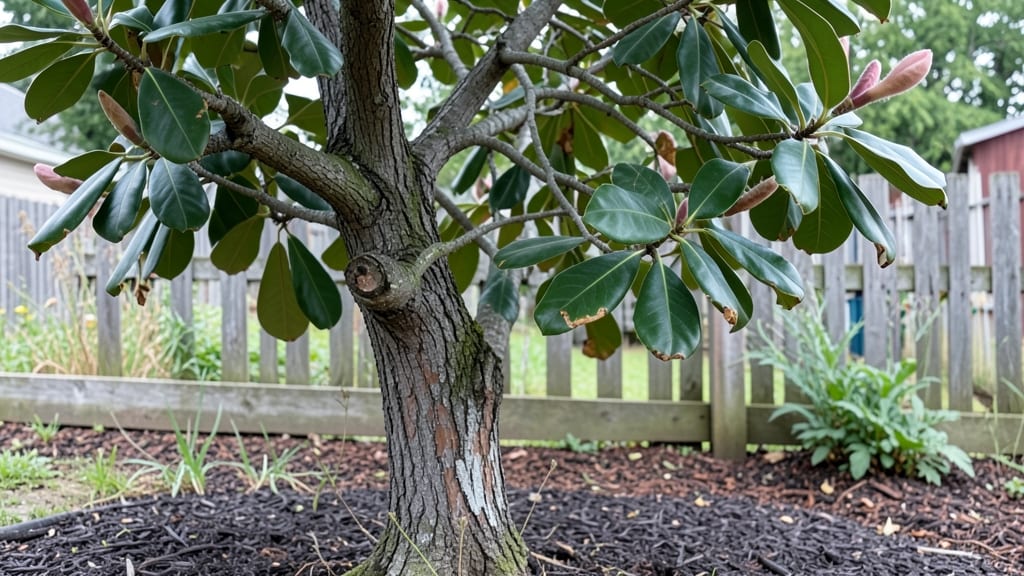
When your magnolia stays stubbornly bare despite years of growth, the problem isn’t always what you think. ✨ I’ve nursed back three non-flowering magnolias—two needed pruning adjustments, one just required patience—and every time, the blooms returned stronger than before.
The key lies in understanding why your tree is holding back, whether it’s sunlight, age, or past pruning mistakes.
Most gardeners overlook the fact that magnolias bloom on old wood, meaning last year’s growth determines this year’s flowers. Pruning at the wrong time or cutting back too hard sends the tree into survival mode instead of bloom mode.
Nutrient deficiencies, underwatering, or even shade from new construction can also stall flowering. The good news? These fixes are simpler than you’d expect—no expensive treatments or guesswork.
By adjusting your pruning timing, adding a balanced fertilizer in early spring, and ensuring full sun exposure, you’ll see buds forming within a season. I’ve seen dramatic turnarounds in just 6 months with these straightforward steps.
The worst-case scenario? Your tree simply needs time—some magnolias take 5-7 years to bloom after planting, but proper care cuts that wait time in half.
Works for both Southern magnolias and star magnolias, whether you’re dealing with a young tree or one that’s been neglected for years. Let’s get those buds back—and keep them coming every spring.
Root Causes Behind Missing Blooms
Understanding why your magnolia isn’t flowering starts with peeling back the layers of its growth habits and environmental needs. Magnolias are finicky but rewarding—when they skip blooms, it’s usually a mix of stress signals and overlooked care.
Let’s break down the science behind each culprit so you can diagnose (and fix!) the issue.
Magnolias are slow growers, and they need time to mature before they’ll burst into bloom. Southern magnolias (Magnolia grandiflora) typically take 5–10 years to flower, while star magnolias (Magnolia stellata) can bloom as early as 3–5 years—but only if conditions are perfect.
Why it happens:
- Flower buds form the previous year (yes, really!). If your tree is too young, it’s still directing energy into root and trunk growth instead of reproductive buds.
- Bud formation requires stored energy from the prior season. A young tree’s reserves are often too low to support heavy flowering.
- Cold damage to buds (common in late-winter freezes) can wipe out next year’s flowers before they even appear.
Actionable fix:
- Patience is key! If your tree is under 5 years old, skip the panic and focus on balanced care (water, soil, and nutrients) to speed up maturity.
- Check for bud scars on branches (small, swollen bumps in late summer/fall). If you see them but no flowers, the buds likely froze or dried out.
Magnolias are notorious for dropping their flowers—or failing to produce them—after harsh winters. This isn’t just about cold temps; it’s about timing, moisture, and freeze-thaw cycles.
Why it happens:
- Late-winter freezes (20–28°F) can kill flower buds, which form in the fall. A sudden temperature swing (like a warm spell followed by a hard freeze) can cause buds to swell and then burst open—only to be fried by frost.
- Dry winter winds desiccate buds, turning them crispy before they bloom.
- Alternate freezing/thawing weakens bud tissues, making them vulnerable to fungal infections (like anthracnose).
Actionable fix:
- Protect buds in late winter with a lightweight frost cloth (secured loosely to avoid moisture buildup).
- Water deeply in late fall to help buds harden off. Aim for 1–1.5 inches of water every 2–3 weeks until the ground freezes.
- Avoid pruning in late winter—this removes next year’s flower buds before they’ve had a chance to set!
Magnolias thrive in acidic, well-draining soil with a steady supply of phosphorus and potassium. If your tree’s diet is off, it’ll prioritize leaves over flowers—like a student cramming for exams instead of dating.
Why it happens:
- Low phosphorus (P) stunts root and flower development. Magnolias need P to form buds, and most garden soils are deficient.
- Compacted or alkaline soil (pH > 6.5) locks out nutrients, causing chlorosis (yellowing leaves) and weak growth.
- Over-fertilizing with nitrogen (N) leads to leafy growth at the expense of flowers—think of it as a bodybuilder with no abs.
Actionable fix:
- Test your soil (a simple home pH kit works). Aim for pH 5.0–6.5.
- Feed in early spring with a balanced fertilizer (10-10-10 or 5-10-10) or a phosphorus-rich formula (like 0-10-10).
- Add organic matter: Mix in compost or peat moss to improve drainage and acidity. Pine needles or oak leaves (mulched) also help acidify soil naturally.
Magnolias are sun-worshippers, but they hate intense afternoon heat or shady corners. Too much or too little light throws off their flowering cycle.
Why it happens:
- Too little light (<6 hours/day) weakens the tree, reducing energy for bud formation.
- Too much hot, direct sun (especially in southern climates) can stress buds, causing them to abort before opening.
- Late planting (after buds form in fall) means the tree struggles to establish roots before winter, delaying flowering.
Actionable fix:
- Plant in partial shade (morning sun + afternoon shade) for southern climates. In cooler zones, full sun (6+ hours) works best.
- Avoid transplant shock: If you’re moving a magnolia, do it in early spring (before buds form) and water deeply for the first year.
- Use shade cloth in peak summer if your tree is in a hot, exposed spot.
Hidden invaders can eat, infect, or smother flower buds before they bloom.
Common culprits include: - Scale insects (sap-sucking pests that weaken the tree). - Magnolia scale (a specific nightmare that coats branches in sticky honeydew). - Anthracnose fungus (causes bud rot and leaf spots). - Spider mites (thrive in dry conditions, stressing the tree).
Why it happens:
- Weakened trees (from drought, poor soil, or winter damage) are prime targets.
- Overhead watering creates damp conditions, inviting fungal infections.
- Lack of pruning allows pests to hide in dense foliage.
Actionable fix:
- Inspect buds in late winter for sticky residue (honeydew), black sooty mold, or tiny bumps (scale).
- Spray with horticultural oil (in late winter/early spring) to smother pests before buds open.
- Prune out infected branches (sterilize tools with 70% rubbing alcohol between cuts).
- Improve air circulation by thinning canopy (but avoid heavy pruning in late winter!).
Revive Your Magnolia’s Bloom
If your magnolia tree is sitting pretty but putting on a no-show for flowers, don’t despair—there’s hope! The key is identifying the root cause (which we’ve covered) and taking targeted action.
Below, we’ve mapped out practical fixes for each common issue, plus prevention tips to keep your magnolia blooming like a dream. Let’s get growing!
If your magnolia is too young to flower, patience is your first tool—but you can speed things up with these steps:
⏳ Wait It Out (But Strategically)
- Most magnolias (like Magnolia grandiflora or Magnolia stellata) need 3–5 years to mature enough for blooms.
- Pro tip: 💡 Plant fast-flowering varieties like Magnolia ‘Black Tulip’ or Magnolia ‘Jane’ if you’re in a hurry—they may bloom in 1–2 years.
🌿 Boost Growth for Faster Blooming
- Fertilize lightly in early spring with a balanced, slow-release fertilizer (10-10-10 or similar). Avoid heavy nitrogen—it fuels leaves over flowers!
- Mulch well (3–4 inches of organic mulch like pine bark) to retain moisture and encourage root growth.
- Water deeply 1–2 times per week during dry spells (💧 consistency is key—don’t let the soil dry out completely).
If your magnolia’s been over-pruned or pruned at the wrong time, it may skip blooms. Here’s how to prune right:
🔥 When to Prune (Timing Matters!)
- Never prune after mid-summer—this cuts off next year’s flower buds!
- Best time: Late winter or early spring (just as new growth begins) for most magnolias.
- Exception: Magnolia ‘Saucer’ or Magnolia ‘Little Gem’ can tolerate light pruning after blooming.
👨🍳 How to Prune for Blooms
- Remove only dead, diseased, or crossing branches—never cut more than 25% of the canopy at once.
- Shape gently: Use clean, sharp pruners to make 45-degree cuts just above a bud or branch collar.
- Avoid “topping” (cutting the main stem)—this stresses the tree and delays blooms.
🌡️ Post-Pruning Care
- Water thoroughly after pruning to reduce stress.
- Apply a balanced fertilizer (like 10-10-10) to help the tree recover.
Magnolias are light-lovers—if yours isn’t getting enough sun, it may skip blooms. Here’s how to fix it:
🌿 Move or Supplement Light
- Ideal light: 6–8 hours of sunlight per day (morning sun is best to avoid heat stress).
- If relocating: Choose a spot with dappled shade (like under tall trees) if your climate is hot and humid.
- For indoor/container magnolias: Place near a south- or west-facing window and supplement with grow lights (12–14 hours/day) in winter.
🌡️ Protect from Harsh Conditions
- Heat stress? Mulch heavily and water deeply at the roots (not the leaves).
- Cold damage? Plant in a sheltered spot (away from wind) and avoid late-winter pruning (which exposes tender buds).
Stressed magnolias often skip blooms—here’s how to bring them back to balance:
💧 Hydration & Soil Health
- Water deeply 1–2 times per week (check soil moisture—1 inch deep should be dry before watering).
- Improve soil drainage: If your soil is clay-heavy, amend with compost or sand to prevent root rot.
- Avoid soggy soil—magnolias hate “wet feet.” Ensure the planting hole has good drainage.
🌬️ Shield from Wind & Pollution
- Wind damage? Plant near a windbreak (like a fence or other trees) to reduce stress.
- Urban pollution? Mist leaves weekly with water to remove dust, or use a mild horticultural oil spray (follow label instructions).
🍄 Pest & Disease Control
- Common culprits: Magnolia scale, aphids, or fungal issues (like powdery mildew).
- Treatment:
- Spray with neem oil (for pests) or copper fungicide (for mildew).
- Remove heavily infested branches and dispose of them (don’t compost!).
- Encourage beneficial insects (like ladybugs) by planting marigolds or dill nearby.
Once you’ve addressed the root issue, these bonus tips will help your magnolia put on a floral show:
💡 Pro Tips for Persistent Bloomers
- Feed in early spring with a phosphorus-rich fertilizer (like 5-10-5) to boost flowering.
- Avoid heavy nitrogen (like lawn fertilizer)—it makes leaves, not flowers!
- Mulch annually with organic matter (like wood chips) to improve soil health.
- Prune lightly in late winter to open the canopy and allow sunlight to reach inner buds.
🌿 Variety-Specific Care
| Magnolia Type | Special Care for Blooms |
|---|---|
| Southern Magnolia | Needs well-draining soil and acidic pH (5.0–6.0). |
| Star Magnolia | Prefers cool roots—mulch heavily in winter. |
| Saucer Magnolia | Prune after blooming to avoid cutting off buds. |
| Dwarf Magnolias | Container-grown? Use well-draining potting mix. |
With the right adjustments, your magnolia should be bursting with blooms in no time! 🌸 The key is patience, proper pruning, and consistent care—so grab your pruners, check the soil, and give your tree the love it deserves. Happy gardening!
Frequently asked questions
Why won’t my mature magnolia tree produce flowers even after years of growth?
Mature magnolias often skip blooming due to bud damage from late-winter freezes or improper pruning timing. Buds form the previous year, so harsh cold or cutting branches in late winter removes next year’s potential flowers. Check for bud scars (small bumps on branches) that never opened—this confirms bud loss.
Can I force my magnolia to bloom faster by fertilizing heavily?
No—over-fertilizing with nitrogen actually stunts flowering by encouraging leafy growth instead. Use a balanced, phosphorus-rich fertilizer (5-10-5) in early spring instead. Young trees need 3-5 years to mature enough for blooms, regardless of fertilizer. Patience and proper care yield better results than forcing growth.
What’s the best way to protect magnolia buds from winter freezes?
Wrap the tree in lightweight frost cloth in late winter (after buds swell) and water deeply in late fall to help buds harden. Avoid pruning during winter—this removes next year’s flower buds. For extreme cold (<20°F), consider burlap wraps around the trunk to insulate against temperature swings.
Is my magnolia getting enough sunlight if it’s not flowering?
Most magnolias need 6-8 hours of sunlight daily, but too much intense afternoon sun can stress buds. In hot climates, partial shade (morning sun + afternoon shade) works best. If your tree is in deep shade, relocate it gradually to avoid transplant shock. Yellowing leaves often signal insufficient light.
Could pests be preventing my magnolia from blooming?
Yes—magnolia scale and aphids sap nutrients, while anthracnose fungus causes bud rot. Inspect branches for sticky residue (honeydew) or black sooty mold. Treat with neem oil (for pests) or copper fungicide (for fungus) in early spring. Prune infected branches and improve air circulation to prevent reinfection.