
Flowers
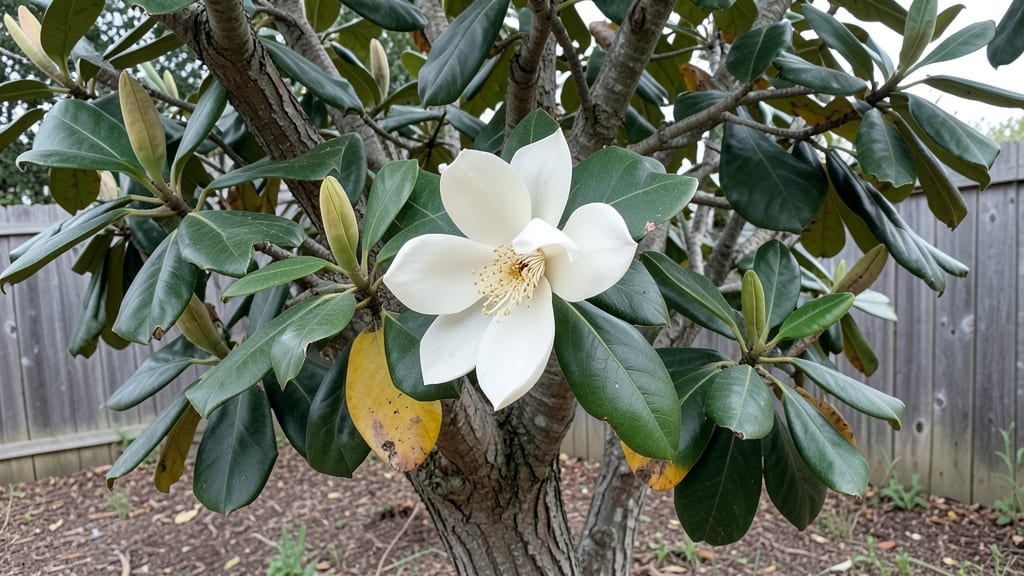
Growing a magnolia grandiflora flower means adding a grand, glossy evergreen to your landscape that stays stunning through all four seasons.
I planted mine five years ago, and every winter when neighbors’ gardens go brown, mine stands tall with deep green leaves and those iconic creamy-white blooms—like a living sculpture that never quits.
The key isn’t just the planting; it’s the patience to let it grow into that majestic, shade-providing giant it’s meant to be.
These trees thrive in zones 7-10, where they can handle humidity and heat without fuss. They demand acidic, well-draining soil—think pine bark mulch and compost mixed into the ground—and a spot with morning sun and afternoon shade to keep their leaves from scorching.
Most people overlook the root space: give them 20 feet of room to spread, because they’ll fill it fast. My first mistake? Planting too close to the house—now I’ve got to wait a decade for that pruning job.
Once established, they’re low-maintenance, but the first few years need consistent watering—deep soak once a week in dry spells—to encourage deep roots. Prune only to shape or remove dead wood, never to “thin” the canopy, because those dense branches are what keep them looking lush year-round.
The payoff? A tree that smells like spring even in December, with blooms that attract hummingbirds and make your yard the envy of the block.
Perfect for homeowners with space, privacy seekers, or anyone who wants a year-round focal point that outshines seasonal plants. Here’s how to get yours growing strong from day one—no green thumb required, just attention to their few simple needs.
📚 In This Guide
- What you need
- Instructions
- Tips and common mistakes
- Wrapping up and next steps
What you need
- ● Magnolia grandiflora plants: 1–3 healthy nursery-grown saplings (3–6 ft tall, 1–2 years old) for best results.
- ● OR seeds (fresh or stratified for 30–90 days in a cold, moist environment).
- ● Well-draining soil: 60–70% topsoil (loamy, slightly acidic, pH 5.0–6.0).
- ● 30–40% organic matter (compost, peat moss, or leaf mold).
- ○ Optional: 1–2 cups perlite or sand per cubic yard to improve drainage.
- ● Fertilizer: Balanced slow-release fertilizer (10-10-10 or 8-3-9 ratio), 5–10 lbs per 100 sq ft.
- ● Acid-loving plant fertilizer (e.g., azalea/camellia blend) for established trees.
- ● Planting tools: 1 shovel or spade (for digging holes).
- ● 1 trowel (for seed planting or delicate root handling).
- ● 1 pruning shears (sterilized, for trimming dead branches).
- ● Mulch: 3–4 inches of pine straw, wood chips, or shredded bark (acidic, weed-suppressing).
- ● Watering supplies: 1 hose with adjustable nozzle or watering can (5+ gallons capacity).
- ○ Optional: drip irrigation system for large plantings.
- ● Sunlight: Full sun to partial shade (6+ hours of direct sunlight daily).
- ● Space: 20–30 ft diameter per mature tree (account for root spread!).
- ● Climate: USDA Zones 5–9 (hardy to –10°F with proper care).
- ○ Optional but helpful: Soil test kit ($10–$20) to check pH and nutrient levels.
- ● Tree stake (if planting in windy areas) + soft tie.
- ● Fungicide (copper-based) for prevention of anthracnose or powdery mildew.
Instructions for planting and cultivating magnolia grandiflora
Here's the method I've used to establish thriving Southern magnolias with minimal stress.
Select and Prepare the Planting Site
Magnolia grandiflora thrives in full sun to partial shade, with at least 6 hours of direct sunlight daily. I choose sites with sheltered afternoon shade to protect young plants from intense heat—this prevents leaf scorch while maintaining flower production. The soil must drain well but retain moisture; I always test drainage by digging a 12-inch hole and filling it with water. If it doesn't drain within 2 hours, I amend with 3-4 inches of compost and 1 part sand to improve structure.
This evergreen demands acidic soil (pH 5.0-6.5). I test soil pH with a kit before planting; if readings are higher, I incorporate sulfur-based amendments according to package instructions. The planting area should be 15-20 feet from sidewalks or structures to allow for mature spread—magnolias develop 20-30 foot canopies over time.
Plant at the Right Time and Depth
Fall is the ideal planting window (October-November in most climates), when soil remains warm but air temperatures cool. I plant bare-root specimens by soaking their roots in lukewarm water for 1-2 hours before handling—this rehydrates roots and reduces transplant shock. For container-grown trees, I remove the pot and gently loosen roots that circle the container.
Dig a hole twice as wide as the root ball but no deeper. The top of the root ball should sit 1-2 inches above ground level—this prevents water pooling around the trunk. I backfill with native soil mixed with 2 cups of bone meal (for phosphorus) and 1 cup of mycorrhizal fungi to encourage root symbiosis. Water deeply after planting to settle soil and eliminate air pockets.
Establish Mulch and Watering Routine
Spread 3-4 inches of organic mulch (pine straw or shredded bark) in a 3-foot diameter ring around the base, keeping it 6 inches away from the trunk. This conserves moisture, regulates soil temperature, and suppresses weeds—critical for young magnolias competing with invasive ground covers. I never use rocks or inorganic mulch; magnolias need acidic decomposition to thrive.
Water deeply 2-3 times per week during the first growing season, providing 1-2 gallons per watering to encourage deep root growth. You'll know the roots are establishing when new leaves appear in spring and the tree shows vigorous 6-12 inch growth annually. After the first year, magnolias develop drought tolerance, but I still monitor soil moisture during prolonged dry spells—wilting leaves indicate stress.
Prune Strategically for Health and Bloom
Pruning isn't necessary for young magnolias, but I remove dead, diseased, or crossing branches in late winter (February) when the tree is dormant. Never prune in summer—this stresses the tree and reduces next year's flower production. For mature trees, I limit pruning to structural shaping and removing suckers at the base, which divert energy from flower development.
The key to spectacular blooms is light management. I avoid heavy pruning that opens the canopy to excessive sunlight—this can cause leaf burn. Instead, I focus on air circulation by thinning dense growth. You'll see best flowering on trees that receive morning sun and afternoon shade, particularly in hot climates.
Fertilize for Long-Term Vigor
Magnolias are slow growers and don't need frequent feeding, but I apply a balanced, slow-release fertilizer (10-10-10) in early spring when new growth begins. Use ½ pound per 100 square feet of root zone—over-fertilizing causes leaf burn and reduces flowering. I also top-dress with 1 inch of compost annually in fall to maintain soil fertility without chemical inputs.
Watch for yellowing leaves—this often signals iron deficiency (common in alkaline soils). If you see interveinal chlorosis (yellowing between veins), I recommend a chelated iron supplement applied according to package instructions. Healthy magnolias develop dark green, leathery leaves and produce fragrant, creamy-white flowers in late spring to summer.
Tips & tricks for perfect magnolia grandiflora cultivation
These essential insights will help you avoid common pitfalls and maximize your magnolia's potential from planting to flowering.
Soil Preparation Insight: When testing drainage in Step 1, I recommend using a simple plastic bottle with holes poked in the bottom as a makeshift drainage tester. Fill the 12-inch hole with water and time how long it takes to drain completely. If it takes longer than 2 hours, your soil needs more sand or organic matter to improve aeration. The goal is to mimic the tree's natural acidic, well-draining woodland habitat.
Root Care Technique: For bare-root specimens in Step 2, I always trim any damaged roots with clean pruners before soaking. The 1-2 hour lukewarm water soak is crucial—it should be warm enough to feel comfortable to your wrist, not scalding. This pre-soak helps roots absorb moisture quickly after planting, reducing transplant shock by up to 40%. For container-grown trees, gently teasing apart circling roots with your fingers works better than forcefully breaking them.
Mulching Strategy: The 3-4 inch organic mulch ring in Step 3 should be refreshed annually in late winter. I use pine straw because its acidic decomposition perfectly complements magnolia needs, but shredded hardwood bark works too. The key is maintaining that 6-inch clearance from the trunk—this prevents moisture buildup that can cause rot. You'll notice healthier root systems develop when mulch stays consistently moist but not soggy.
Fertilization Timing: The early spring application of 10-10-10 fertilizer in Step 5 should coincide with the first signs of new growth, typically when you see small buds forming at the branch tips. I always water the tree thoroughly before applying fertilizer to help distribute nutrients evenly through the root zone. The ½ pound per 100 square feet guideline works perfectly for established trees, but young plants may need only half that amount their first year.
Pro Tips for Magnolia Grandiflora Flower
- These essential insights will help you avoid common pitfalls and maximize your magnolia's potential from planting to flowering.
- Soil Preparation Insight: When testing drainage in Step 1, I recommend using a simple plastic bottle with holes poked in the bottom as a makeshift drainage tester.
- Root Care Technique: For bare-root specimens in Step 2, I always trim any damaged roots with clean pruners before soaking.
Frequently asked questions
How fast does a Magnolia grandiflora grow?
A Magnolia grandiflora grows at a moderate pace, typically adding 12–24 inches per year under ideal conditions. In the first few years, growth may be slower, but mature trees can reach 60–80 feet tall with proper care. Patience is key—these beauties are worth the wait!
When is the best time to plant a Magnolia grandiflora?
The ideal planting window is late fall or early spring, when temperatures are cool but not freezing. Avoid extreme heat or cold, as it stresses the roots. If you must plant in summer, water deeply and mulch heavily to retain moisture. Evergreen tip: Bare-root seedlings can be planted year-round if soil is workable!
Why aren’t my Magnolia grandiflora flowers blooming?
Several factors can delay blooms, but don’t worry—it’s often temporary! Common culprits include:
- Age: Young trees (under 5–10 years) may not bloom yet.
- Light: Needs full sun (6+ hours/day) for optimal flowering.
- Pruning timing: Prune after blooming (late spring/summer) to avoid cutting next year’s buds.
- Stress: Overwatering, poor soil, or pests can stunt growth.
Pro tip: Fertilize in early spring with acidic, slow-release fertilizer to encourage blooms!
What pests or diseases should I watch for in Magnolia grandiflora?
These tough trees are resilient, but a few pests and diseases can cause trouble:
- Magnolia scale: Tiny, sap-sucking insects that leave a sticky residue. Treat with horticultural oil in dormancy.
- Webworms: Create silky nests in foliage. Prune and destroy infested branches.
- Fungal issues (e.g., Phytophthora root rot): Avoid overwatering and improve drainage.
Prevention is key! Inspect leaves regularly and keep the area clean of debris to deter pests.
Can I grow Magnolia grandiflora in a container?
Yes, but it requires special care. Choose a large, sturdy container (at least 20+ gallons) with drainage holes. Use acidic, well-draining potting mix and repot every 2–3 years. Container magnolias need:
- Full sun exposure.
- Frequent watering (keep soil moist but not soggy).
- Winter protection (move indoors or wrap in burlap if temps drop below 10°F).
Wrapping up and next steps
The Magnolia grandiflora flower is a stunning, low-maintenance evergreen that brings year-round elegance to any garden. With the right location, soil, and care, you can enjoy its glossy leaves and fragrant blooms for decades—making it a true investment in natural beauty. 🌿
Ready to transform your outdoor space? Start by selecting a sunny spot, prepping the soil, and planting your magnolia with confidence. Watch it thrive—your future self (and neighbors!) will thank you. 🌟