
Planting
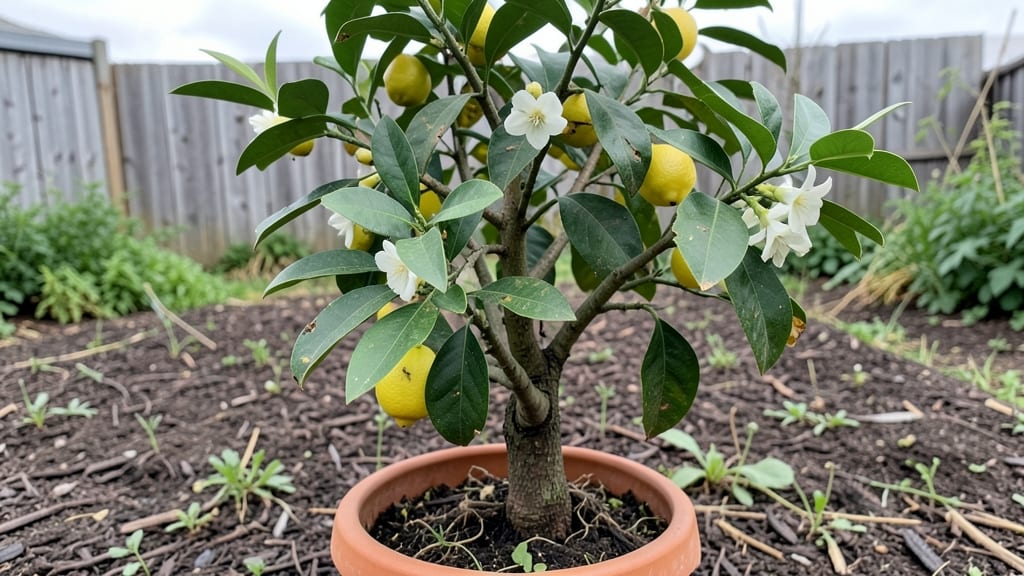
Citrus plant flowers aren’t just pretty—they smell like sunshine in a pot. 🌿 I’ve grown calamondins, lemons, and oranges indoors for years, and the key to seeing those fragrant blooms is understanding how citrus plants really thrive. Most people overwater or underlight them, and the flowers never show up.
The secret starts with bright light—six hours of direct sun daily—and well-draining soil that mimics their Mediterranean roots. Prune in late winter to shape the plant and encourage new growth, which is when those delicate white or pink blossoms appear.
My Meyer lemon tree now drops petals year-round because I adjusted my care after the first failed attempt.
You’ll know you’re doing it right when you spot tiny buds forming in spring or fall, followed by that intoxicating citrus scent. The flowers themselves last only a few days, but the pollinated ones turn into fruit—sweet, fragrant lemons or oranges you’ll harvest months later.
The payoff is worth every extra step.
Works for dwarf varieties in small spaces or full-sized trees in sunrooms. The biggest mistake? Giving up after the first year—citrus plants reward patience with blooms that turn heads (and fill your home with perfume). Let’s get those flowers going!
📚 In This Guide
- What you need
- Instructions
- Tips and common mistakes
- Wrapping up and next steps
What you need
- ● Citrus plant: Choose a healthy Citrus variety like Meyer lemon, lime, or orange (dwarf or potted types work best for indoor growing).
- ● Well-draining potting mix: 1 gallon of a blend designed for citrus or a mix of 60% peat moss, 30% perlite, and 10% sand.
- ● Pot with drainage holes: A container 12–18 inches in diameter (slightly larger than the plant’s root ball).
- ● Fertilizer: A balanced citrus fertilizer (e.g., 6-6-6 or 10-10-10) or organic options like fish emulsion or compost tea.
- ● Watering can with a rose attachment: For gentle, deep watering.
- ● Pruning shears: Sharp, clean shears for trimming dead leaves or shaping the plant.
- ○ Grow lights (optional but helpful): A full-spectrum LED grow light (12–16 hours of light daily for indoor plants).
- ● Humidity tray or pebble tray: To maintain 40–60% humidity (especially in dry climates).
- ● Spray bottle: For misting leaves if humidity is low.
- ● Thermometer/hygrometer: To monitor temperature (60–75°F) and humidity.
- ● Citrus food or micronutrients: Like Epsom salt (magnesium sulfate) for green foliage.
- ● Support stake or trellis: If your citrus variety grows tall (e.g., for Meyer lemons).
Step-by-step guide to encouraging citrus plant flowers indoors
Here's how to coax those fragrant blooms from your citrus tree—no green thumb required.
🌱 Step 1: Provide Consistent Light for Healthy Growth
Citrus trees need 6-8 hours of direct sunlight daily to produce flowers. Place your tree near a south-facing window or supplement with a grow light if natural light is insufficient. I’ve found that rotating the pot quarter-turn weekly keeps the tree growing evenly toward the light source.
Watch for yellowing leaves—this is your signal the tree isn’t getting enough light. If leaves start stretching toward the window, your tree is reaching for more sun. Move it closer or increase grow light hours to 14-16 per day during winter months.
☀️ Step 2: Maintain Ideal Temperature and Humidity
Citrus trees thrive in 65-75°F during the day and 55-60°F at night. Keep your tree away from drafts, heating vents, or air conditioning units, as sudden temperature swings shock the plant and prevent flowering. I’ve noticed blooms drop off if the tree sits near a window that gets cold at night.
Humidity matters too—40-50% is ideal. If your home is dry, mist the leaves 2-3 times weekly or place the pot on a pebble tray filled with water. You’ll see new growth and bud formation when the air feels comfortably moist around the tree.
💧 Step 3: Water Deeply and Fertilize for Blooms
Water your citrus tree when the top 2 inches of soil feel dry to the touch. Overwatering causes root rot, while underwatering stresses the plant—both kill blooms. I use room-temperature water to avoid shocking the roots, and I always water at the base, not the leaves, to prevent fungal issues.
Feed your tree with a balanced citrus fertilizer every 4-6 weeks during spring and summer. Reduce feeding in fall and winter, as the tree enters its dormant phase. You’ll notice tiny buds forming in early spring if the tree is getting the right nutrients—these are your future flowers!
✂️ Step 4: Prune and Encourage Airflow
Prune your citrus tree in late winter or early spring before new growth begins. Remove any dead, diseased, or crossing branches to improve airflow and sunlight penetration. I trim just above a leaf node, making sure to keep the tree’s natural shape. This step isn’t just about looks—better airflow reduces humidity-related diseases that can kill blooms.
After pruning, place the tree in a spot where it gets gentle breezes, like near an open window or fan on low. Citrus trees in still air often develop fewer flowers. You’ll see stronger stems and more buds when the tree has room to breathe.
🌿 Step 5: Watch for Buds and Protect Developing Flowers
Bud formation usually starts in early spring, but some citrus varieties bloom year-round if conditions are right. Look for tiny green or pink buds along the branches—these are your first sign of upcoming flowers. At this stage, avoid moving the tree or changing its care routine, as stress can cause buds to drop.
Once flowers appear, keep the tree well-watered but not soggy and maintain consistent light. If you notice dropping blooms, check for overwatering or sudden temperature drops. I’ve found that a light spray of water on the leaves in the morning helps keep flowers fresh longer—just avoid wetting the petals directly.
Tips & tricks for perfect citrus plant flowers
Took me years to figure out how to get my citrus tree blooming reliably—here’s what actually works.
The Light Factor: If your south-facing window doesn’t get full sun, supplement with a grow light 14-16 hours daily during winter. I use a full-spectrum LED grow light just 6-12 inches above the tree—closer than you’d think! Position it so leaves don’t touch the bulb, which can burn them. Rotate the pot quarter-turn weekly to prevent lopsided growth toward the light source.
Temperature Watch: The 65-75°F daytime range is critical—any hotter and blooms drop, any cooler and buds fail to form. I’ve noticed that drafty spots near exterior doors or AC vents cause buds to abort. If your home runs hot, move the tree near a window with afternoon shade during peak summer heat. At night, keep it away from cold windows—even a 10°F drop can stress the plant.
Watering Wisdom: The top 2 inches dry test works, but I’ve learned to check soil moisture at the base of the pot too—citrus roots often dry out unevenly. Use room-temperature water (cold water shocks roots) and water at the soil line, not over leaves, to prevent fungal diseases like citrus scab. I’ve found that watering early morning gives leaves time to dry before evening humidity builds up.
Pruning Pro Tip: When pruning in late winter, look for leaf nodes—those little bumps where leaves attach. Cut just above a node at a 45-degree angle to encourage new growth. I always sterilize my pruners with rubbing alcohol between cuts to prevent spreading diseases. And here’s the secret: prune after the last frost date in your area—new growth is more vulnerable to cold damage.
Pro Tips for Citrus Plant Flower
- Took me years to figure out how to get my citrus tree blooming reliably—here’s what actually works.
- The Light Factor: If your south-facing window doesn’t get full sun, supplement with a grow light 14-16 hours daily during winter.
- Temperature Watch: The 65-75°F daytime range is critical—any hotter and blooms drop, any cooler and buds fail to form.
Frequently asked questions
Got questions about growing citrus plant flowers?
Here are some of the most common ones—plus quick, practical answers to help you nurture fragrant blooms like a pro!
When do citrus plant flowers bloom, and how can I encourage them?
Citrus flowers typically bloom in spring and summer, but with proper care (like bright light, balanced fertilizer, and consistent watering), some varieties—like Meyer lemon or calamondin—may flower year-round indoors. Prune lightly after blooming to redirect energy to new growth, and avoid overwatering, which can stress the plant.
How long does it take for a citrus plant to flower?
Patience is key! Mature citrus trees (3–5 years old) are most likely to flower, but younger plants can bloom with ideal conditions. Dwarf varieties may flower in 1–2 years if given full sun (6+ hours daily), well-draining soil, and regular feeding with citrus-specific fertilizer. Pro tip: Use a grow light in winter to extend daylight hours.
Why aren’t my citrus flowers turning into fruit?
Missing fruit? Common culprits include lack of pollination (hand-pollinate with a soft brush), temperature shocks (keep temps above 50°F), or nutrient deficiencies (add phosphorus-rich fertilizer). Some citrus varieties are self-pollinating, but cross-pollination often improves fruit set. Bonus: Keep humidity stable (40–60%) to support blooms.
Can I grow citrus flowers indoors without fruit?
Many growers prioritize fragrant blooms over fruit, especially with dwarf varieties like Kumquat or Calamondin orange. Focus on light, water, and pruning—these plants thrive indoors as ornamental flowering trees. Just avoid over-fertilizing with nitrogen (it promotes leaves over flowers). Fun fact: Citrus flowers smell like heaven and attract pollinators even indoors!
What should I do if my citrus plant drops flowers or buds?
Flower drop is often due to stress—check for overwatering, underwatering, drafts, or sudden temperature changes. Ensure the pot has drainage holes and water only when the top 1–2 inches of soil are dry. If buds drop after forming, the plant may need more phosphorus (try a bloom-boosting fertilizer like 5-10-5). Quick fix: Mist leaves lightly to increase humidity.
| Quick Troubleshooting Guide | |
|---|---|
| Problem: No flowers | Solution: Move to brighter light, fertilize with bloom booster, and prune lightly. |
| Problem: Yellow leaves | Solution: Check for overwatering or nutrient deficiency (add iron or magnesium). |
| Problem: Small or sparse blooms | Solution: Reduce nitrogen, increase sunlight, and avoid crowded roots. |
Wrapping up and next steps
Growing citrus plant flowers indoors is a rewarding journey that fills your space with fragrant beauty and year-round charm! 🌸 Whether you’re a seasoned gardener or a beginner, these vibrant blooms prove that even small spaces can thrive with the right care.
Now that you’re equipped with the essentials—from sunlight to soil—why not take the next step?
Start by selecting your favorite citrus variety (like lemon, orange, or kumquat) and give it the love it deserves. Watch those delicate petals unfold, and soon, you’ll be enjoying not just flowers, but fresh fruit too. Happy growing—your indoor citrus paradise awaits! 🌱✨