
Shrubs
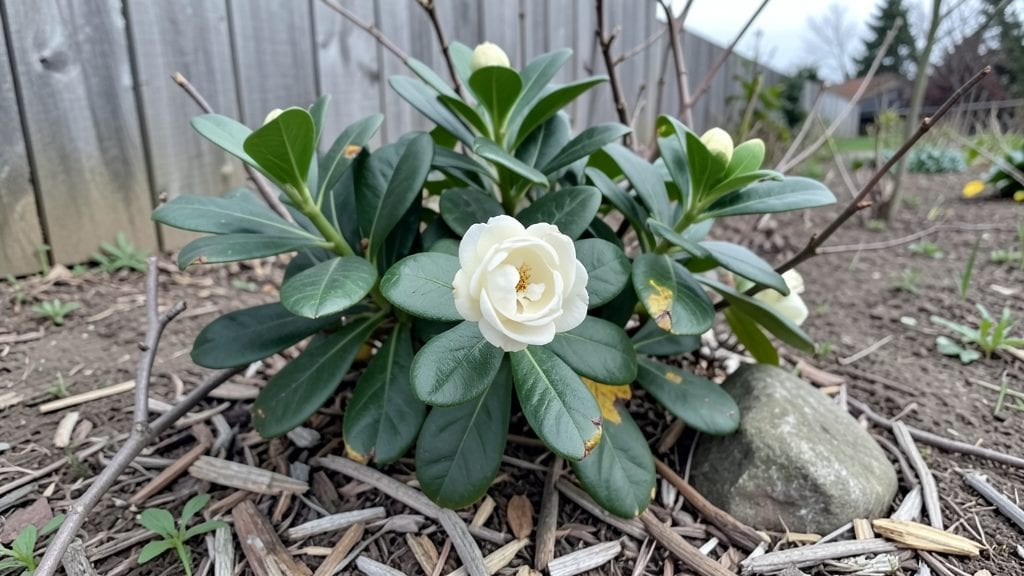
Low flowering bushes transform dull corners into vibrant displays without the fuss of constant pruning. 🌿 I’ve filled my front yard with these underrated stars—creeping phlox that spills over borders in spring, dwarf azaleas that perfume the air in May, and dwarf gardenias that glow like tiny lanterns in summer.
The best part? They stay compact, rarely need shearing, and return year after year with minimal effort.
These plants thrive in sunny borders, along pathways, or hugging foundation walls where taller shrubs can’t reach. Most handle foot traffic surprisingly well, making them perfect for high-use areas.
Pair creeping phlox with lavender for a fragrant edge, or tuck dwarf gardenias near windows where their glossy leaves and intoxicating scent create a cozy retreat. The key is matching their mature height—most stay under 2 feet—to your design vision.
You’ll love how they fill gaps between seasons: phlox bursts into color in early spring, azaleas peak in late spring, and gardenias shine through summer heat. Even in winter, their evergreen foliage (where applicable) keeps the landscape structured.
The trade-off? Some varieties bloom best with light pruning after flowering—just a few snips to shape them, not a full makeover. That’s the beauty of low-maintenance charm.
Works for any yard size, from city balconies to sprawling estates. The right spot makes all the difference—sunny and well-drained soil is non-negotiable, but beyond that, these bushes adapt beautifully. Let’s find the perfect fit for your space!
📚 In This Guide
- What you need
- Instructions
- Tips and common mistakes
- Wrapping up and next steps
What you need
- ● Low-flowering shrubs (3–5 plants) – Choose from varieties like Dwarf Boxwood, Cotoneaster, or Lantana (check local climate suitability).
- ● High-quality potting soil or native soil mix – 2–3 cubic yards (for in-ground planting) or 2–3 bags (for containers).
- ● Organic compost or slow-release fertilizer – 5–10 lbs (blend with soil for nutrients).
- ● Mulch (pine bark or shredded leaves) – 2–3 inches (to retain moisture and suppress weeds).
- ● Garden trowel or spade – For digging holes (6" wider than root ball).
- ● Garden gloves – Heavy-duty (to protect hands from thorns or rough bark).
- ● Watering can or hose with spray nozzle – For gentle, deep watering.
- ● Pruning shears – Sharp, bypass-style (for minimal shaping).
- ● Measuring tape – To space plants 2–3 feet apart (depending on mature size).
- ● Slow-release fertilizer spikes – For seasonal nutrient boosts.
- ● Container pots (15–20 gallons) – If planting in raised beds or urban spaces.
- ● Plant support stakes – For young or top-heavy varieties.
- ● Garden twine or landscape fabric – To define borders or suppress weeds.
How to select and plant low flowering bushes for year-round beauty
Here’s the simple way to add vibrant, low-maintenance color to your landscape without the hassle of constant pruning.
🌱 Step 1: Choose the Right Bushes for Your Climate
Start by picking bushes that thrive in your USDA hardiness zone and match your sunlight conditions. For full sun (6+ hours daily), try Dwarf Butterfly Bush (Buddleia), Dwarf Lilac, or Abelia. If you have partial shade, Dwarf Hydrangea or Pieris Japonica shine. I always check the plant tag for mature height—most low flowering bushes stay under 3 feet tall, perfect for borders or foundation plantings.
Look for evergreen varieties like Dwarf Boxwood or Dwarf Holly if you want year-round structure, or deciduous options like Dwarf Weigela for seasonal bursts of color. The key is selecting plants that naturally stay compact—this saves you from heavy pruning later. I avoid fast-growing bushes that need annual trimming; they’re just more work for less reward.
🪴 Step 2: Prepare the Planting Site
Dig a hole twice as wide as the root ball but only as deep—this prevents burying the stem, which can rot over time. Loosen the sides of the hole with a shovel or hands to help roots spread easily. I always mix the native soil with a handful of compost (about 1 cup) to give the bush a nutrient boost right away.
For 4 bushes, space them 3-4 feet apart to allow airflow and prevent disease. If planting near a house or fence, leave 1-2 feet of clearance for mature growth. Water the hole deeply before planting to settle the soil and remove air pockets. The goal is a moist but not soggy environment—too much water at this stage can suffocate roots.
☀️ Step 3: Plant and Water for Immediate Establishment
Gently remove the bush from its container and tease the roots outward if they’re circling. Place it in the hole so the top of the root ball sits level with the surrounding soil—never deeper. Fill the hole with the soil-compost mix, pressing lightly as you go to eliminate gaps. I use my hands to firm the soil around the edges; a shovel can compact too aggressively.
Water deeply (about 1 gallon per bush) right after planting to encourage roots to spread into the new soil. Mulch the base with 2-3 inches of shredded bark or pine needles, keeping it 6 inches away from the stem to prevent rot. This mulch layer locks in moisture and keeps weeds down—just what you want for low-maintenance plants.
✂️ Step 4: Prune Only When Necessary
Most low flowering bushes need minimal pruning—just a light cleanup in late winter or early spring before new growth starts. Remove any dead, damaged, or crossing branches with clean, sharp pruners. For flowering bushes, cut back spent blooms (deadheading) after they fade to encourage more flowers. I never prune more than 1/3 of the bush in a single season—this keeps it healthy and compact.
If your bush gets leggy, a light trim in early summer can help shape it without sacrificing next year’s blooms. The key is patience—these bushes are designed to thrive with little intervention. Over-pruning leads to weak growth, so I always err on the side of caution. Watch for new shoots in spring; that’s your sign the bush is happy and recovering well.
💧 Step 5: Maintain for Year-Round Color
Water deeply once a week during the first growing season to establish roots, then taper to every 10-14 days once established—unless you’re in extreme heat or drought, where you’ll need to water every 5-7 days. I check the soil 2 inches down with my finger; if it’s dry, it’s time to water. Overwatering is the biggest mistake with low bushes—most prefer well-draining soil and can handle a little neglect.
Fertilize once a year in early spring with a balanced, slow-release fertilizer (like 10-10-10) to support blooms and growth. I skip fertilizers with high nitrogen—they encourage leafy growth at the expense of flowers. Instead, focus on mulching annually in late fall to protect roots and feed the soil naturally. With this care, your bushes will reward you with color from spring through fall, and many will even add winter interest with berries or evergreen foliage.
Tips & tricks for perfect low flowering bushes
Here's what nobody tells you about keeping your low flowering bushes thriving with almost no effort.
Selection Tip: Always check the plant tag for the mature height—you don't want to plant a "dwarf" variety that grows taller than expected. I've seen "dwarf" hydrangeas reach 5 feet when given the right conditions! Look for varieties labeled as "compact" or "miniature" for true low-growing bushes that stay under 3 feet. This saves you from future pruning headaches and ensures they fit perfectly in your landscape design.
Planting Strategy: The "twice as wide, same depth" rule in Step 2 is crucial for root establishment. I've learned this the hard way—burying the stem too deep can cause rot while shallow planting leaves roots exposed. After planting, I always press the soil gently with my hands rather than using a shovel, which can compact too aggressively and create air pockets around the roots. This simple technique helps roots spread outward more quickly.
Watering Wisdom: That first deep watering after planting (1 gallon per bush) is non-negotiable—it's what gets those roots growing into the surrounding soil. I've seen many gardeners skip this step, only to have their bushes struggle for years. For the first growing season, set a reminder to water deeply once a week. After that, you can relax to every 10-14 days, but always check that 2-inch soil depth—it's the best indicator of when your bushes actually need water.
Pruning Pro Tip: When it's time for that light cleanup in late winter, I always make my cuts just above a leaf node or bud. This encourages new growth in the right direction. For flowering bushes, I wait until after the blooms fade completely before deadheading—cutting too early can remove next year's flower buds. And remember, if you see new shoots in spring, that's your bush telling you it's happy and ready for minimal care!
Pro Tips for Low Flowering Bushes
- Here's what nobody tells you about keeping your low flowering bushes thriving with almost no effort.
- Selection Tip: Always check the plant tag for the mature height—you don't want to plant a "dwarf" variety that grows taller than expected.
- Planting Strategy: The "twice as wide, same depth" rule in Step 2 is crucial for root establishment.
Frequently asked questions
Got questions about low flowering bushes? You’re not alone! Here are some of the most common concerns—and their easy answers—to help you pick, plant, and maintain these low-maintenance beauties with confidence.
What are the best low flowering bushes for full sun exposure?
If your garden basks in full sun (6+ hours of direct light daily), opt for Dwarf Butterfly Bush (Buddleja davidii), Lantana, or Dwarf Boxwood. These varieties thrive in heat and bright light, offering vibrant blooms like purple, pink, or yellow without fuss. Just ensure well-draining soil to prevent root stress!
When is the ideal time to plant low flowering bushes?
Spring or early fall are the sweet spots! Planting in spring (after the last frost) gives bushes time to establish roots before summer heat, while early fall (6-8 weeks before the first frost) allows them to settle in before winter dormancy. Avoid planting in extreme heat or cold—your bushes will thank you!
How do I keep low flowering bushes from spreading too much?
Most low-growing shrubs stay compact, but a few (like Spirea or Dwarf Forsythia) can sprawl over time. To control their spread:
- Prune regularly: Trim back leggy stems in late winter or early spring.
- Use root barriers: Install a shallow barrier (like landscape fabric) if planting near walkways.
- Choose cultivars: Pick dwarf varieties labeled “compact” or “bush form.”
Do low flowering bushes need a lot of water once established?
Once rooted, most low flowering bushes are drought-tolerant! Water deeply 1-2 times per week during the first growing season, then taper to every 2-3 weeks (or when soil feels dry 2 inches below the surface). Mulch around the base to retain moisture—your bushes will reward you with fewer chores and more blooms.
Are low flowering bushes deer- or pest-resistant?
Not all, but some varieties are naturally deer-resistant (like Boxwood or Dwarf Ninebark), while others (like Lantana) deter pests with their strong scent. For extra protection:
- Apply neem oil for aphids or spider mites.
- Use deer repellent sprays in high-risk areas.
- Choose native plants, as they’re often hardier against local pests.
Always monitor your bushes—early action is key!
Wrapping up and next steps
Low flowering bushes are the perfect solution for adding year-round color to your landscape with minimal effort! 🌸 Whether you love vibrant blooms, lush foliage, or hardy evergreens, these easy-care plants bring beauty without the fuss.
With the right selection and a little upkeep, you can enjoy a stunning, low-maintenance garden that thrives in any season.
Ready to transform your outdoor space? Start by choosing the right bushes for your climate and style, then plant and prune with confidence. Your dream garden is just a few steps—and a little green thumb—away!