Shrubs
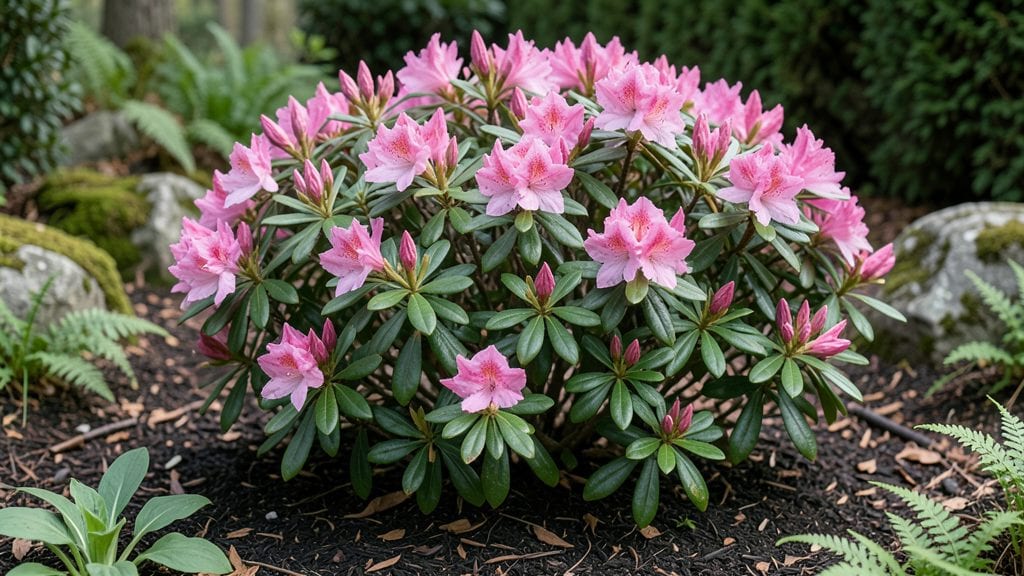
Late flowering azaleas bring color when most gardens are fading—their bold blooms light up late spring to summer with minimal fuss. I fell for them after my early-blooming varieties wilted in the heat, only to find these shade-lovers thriving where others struggle.
The key isn't just their drought resistance but how they stretch the season, giving you weeks of vibrant blooms when other plants are already resting.
These azaleas love morning sun and afternoon shade, making them perfect for woodland edges or north-facing yards. Plant them in well-draining, acidic soil (think pine mulch or peat moss) and water deeply once established—they hate soggy roots but bounce back from dry spells.
Varieties like 'George Taber' and 'Hino Crimson' stay compact, so they fit small gardens or containers with ease.
Prune right after flowering to encourage next year's blooms, and fertilize lightly in early spring with acid-loving plant food. The payoff? Lush foliage year-round and flowers that last 4-6 weeks longer than early varieties. Even in hot summers, they won't wilt like their early-blooming cousins.
Best planted in fall or early spring, they adapt to zones 5-9 and handle humidity better than most azaleas. Swap them for early bloomers if you want summer color without the fuss of constant watering. Your garden's late-season show just got easier.
📚 In This Guide
- What you need
- Instructions
- Tips and common mistakes
- Wrapping up and next steps
What you need
- ● Late-flowering azalea plants: Choose Rhododendron varieties like 'Girard’s Pink' or 'Hino Crimson' (2–5 plants, depending on desired coverage). Opt for 1–3 gallon containers for mature plants or bare-root seedlings for cost savings.
- ● Well-draining soil: Mix 50% native soil with 50% acidic potting mix (pH 4.5–6.0). Avoid alkaline soils—amend with peat moss or pine bark if needed.
- ● Organic mulch: 3–4 inches of pine straw, cedar chips, or leaf mold to retain moisture and suppress weeds.
- ● Slow-release fertilizer: Azalea-specific 10-10-10 or 8-3-9 formula (apply 1–2 tbsp per plant in early spring).
- ● Watering can or drip irrigation: 5–10 gallons capacity for deep watering (azaleas hate soggy roots!).
- ● Garden trowel or transplant spade (for digging holes 2x wider than the root ball).
- ● Pruning shears (sterilized with rubbing alcohol to prevent disease).
- ● Gloves (heavy-duty for handling mulch or rough bark).
- ○ pH test kit (optional but helpful to confirm soil acidity).
- ● Shade cloth (30–50%) (temporary, for newly planted azaleas in hot climates).
- ● A shady or partially shaded spot (dappled sunlight is ideal; avoid deep shade or scorching afternoon sun).
- ● Protective location from strong winds (azaleas prefer sheltered microclimates).
- ● Consistent moisture (water 2–3x weekly in dry spells; late bloomers tolerate drought better than early varieties but still need care!).
- ● Patience—late-flowering azaleas may take 2–3 years to reach peak bloom after planting.
Instructions for establishing late flowering azaleas in shade
Here's the precise method I've used to coax vibrant blooms from shade-loving azaleas, even in drier climates.
Select and Prepare the Planting Site
Choose a location with partial shade—at least 4-6 hours of morning sun and afternoon shade protection. Azaleas despise hot afternoon rays, which scorch their delicate blooms. Test your site's moisture by digging a 12-inch deep hole—if the soil drains slowly, amend with 2-3 inches of coarse sand mixed into the native soil to improve aeration.
Azaleas thrive in acidic soil (pH 4.5-5.5). If your soil tests higher, incorporate 2-3 pounds of peat moss or sulfur per planting hole to lower the pH. Work these amendments into the top 6 inches of soil where roots will establish. Avoid fresh mulch at planting—wait until roots spread before adding the 3 inches of pine bark mulch to conserve moisture.
Plant at the Correct Depth and Spacing
Dig a hole twice as wide as the root ball but only as deep—azaleas hate being buried too deeply, which suffocates their shallow roots. Gently remove the plant from its container and loosen any circling roots with your fingers. Place it in the hole so the top of the root ball sits 1 inch above ground level—this prevents stem rot from sitting water.
Backfill with native soil mixed with 1 cup of azalea-specific fertilizer (high in phosphorus for blooms) per hole. Space plants 4-5 feet apart—crowding leads to weak stems and fewer flowers. Water deeply immediately after planting to eliminate air pockets, then let the soil settle for 24 hours before adding mulch.
Water Deeply and Establish a Consistent Routine
Water deeply twice weekly during the first growing season, delivering 1-2 gallons per plant each time. The goal is to encourage roots to grow 12-18 inches deep, making them drought-resistant. Check moisture by inserting your finger 3 inches into soil—if it feels dry, water again. Overhead watering promotes fungal diseases, so use a soaker hose placed at the drip line.
Azaleas in shade need consistent moisture but hate soggy roots. If your soil stays damp for more than 48 hours after watering, amend with 1 inch of perlite mixed into the top 6 inches of soil to improve drainage. After 6-8 weeks, reduce watering to once weekly if rainfall provides 1 inch of moisture.
Prune Strategically for Next Year's Blooms
Wait until late spring, after blooms fade, to prune. Remove dead or crossing branches first, then trim back 1/3 of last year's growth to encourage bushier shape and more flowers. Never prune into old wood—azaleas bloom on new growth, so cutting too aggressively removes next year's flower buds. Use clean, sharp pruners to avoid tearing bark.
Shape the plant by thinning interior branches to improve air circulation, which prevents powdery mildew. If a branch grows too long, cut it back to a bud facing outward—this opens the center for sunlight penetration. Fertilize lightly in early spring with ½ cup of azalea fertilizer per plant to support new growth without burning roots.
Protect and Maintain Through Seasons
In winter, apply 3-4 inches of mulch around the base (but not touching the stem) to insulate roots from freeze-thaw cycles. Azaleas in Zone 7 and colder benefit from burlap wraps around the trunk if winds exceed 20 mph. Remove wraps in early spring before new growth begins to avoid girdling.
Watch for yellowing leaves—this often signals overwatering or alkaline soil. Adjust by reducing water and retesting soil pH. Late flowering azaleas reward patience: second-year plants produce 2-3 times more blooms than first-year specimens. Deadhead spent flowers in early summer to redirect energy into next year's buds rather than seed production.
Tips & tricks for perfect late flowering azaleas in shade
These insights will help you avoid common pitfalls and maximize the stunning blooms your late flowering azaleas deserve in shade conditions.
Soil Preparation is Everything: When amending your soil with 2-3 pounds of peat moss or sulfur to achieve the ideal pH of 4.5-5.5, mix these amendments into the top 6 inches of soil where roots will establish. I've found that using a soil pH test kit before planting saves headaches later—if your soil tests above 6.0, you'll need more sulfur than you might think to bring it down to the acidic range azaleas crave. The 12-inch deep hole test for moisture is critical too; if water pools after 48 hours, you know you need that 2-3 inches of coarse sand for proper drainage.
Planting Depth Matters More Than You Think: The 1 inch above ground level positioning of your azalea's root ball might seem minor, but it's what prevents stem rot from sitting water. I once buried a plant too deeply, and it struggled for years—don't make my mistake! After planting, give that 24-hour settling period before adding mulch absolutely. This allows any air pockets to dissipate and the roots to make proper contact with the amended soil. The 4-5 feet spacing between plants also prevents competition that leads to weak stems and fewer blooms.
Watering Wisdom for Shade Conditions: The deep watering twice weekly during the first growing season is non-negotiable for developing those 12-18 inch deep roots that make azaleas drought-resistant. I check moisture by inserting my finger 3 inches into soil—if it feels dry at that depth, it's time to water. The 48-hour dampness rule is your early warning system for drainage issues. If your soil stays soggy beyond that, mix in 1 inch of perlite to prevent root suffocation. After 6-8 weeks, you can ease back to weekly watering if natural rainfall provides 1 inch of moisture, but never let the soil dry out completely.
Pruning Precision for Next Year's Blooms: Timing is everything when pruning late flowering azaleas. Wait until late spring after blooms fade to avoid cutting off next year's flower buds, which form on new growth. When you trim back 1/3 of last year's growth, cut just above a bud facing outward—this opens the plant's center for better sunlight penetration and air circulation. I always sterilize my pruners with rubbing alcohol between cuts to prevent spreading diseases. The early spring fertilization with ½ cup of azalea fertilizer per plant gives them just enough boost without burning their delicate roots.
Pro Tips for Late Flowering Azaleas
- These insights will help you avoid common pitfalls and maximize the stunning blooms your late flowering azaleas deserve in shade conditions.
- Soil Preparation is Everything: When amending your soil with 2-3 pounds of peat moss or sulfur to achieve the ideal pH of 4.5-5.5, mix these amendments into the top 6 inches of soil where roots will establish.
- Planting Depth Matters More Than You Think: The 1 inch above ground level positioning of your azalea's root ball might seem minor, but it's what prevents stem rot from sitting water.
Frequently asked questions
Got questions about late-flowering azaleas?
You’re not alone! These stunning, shade-loving shrubs are a favorite, but they do come with a few quirks. Here are answers to the most common queries—so you can enjoy their drought-resistant blooms with confidence.
When do late-flowering azaleas bloom, and how long does it last?
Late-flowering azaleas typically bloom in late spring to early summer (May–June in most U.S. zones), about 4–6 weeks after early varieties. Their flowers last 3–6 weeks, depending on weather and care. For extended blooms, deadhead spent flowers and keep soil moist—but avoid overwatering!
Are late azaleas really drought-resistant? How often should I water them?
Yes! Once established (after 1–2 years), late azaleas tolerate dry spells better than early varieties. Water deeply 1–2 times per week during the first year, then reduce to every 10–14 days in drought. Mulch with 2–3 inches of organic matter to retain moisture. Pro tip: Water at the base, not overhead, to prevent fungal issues.
Can late azaleas survive in full shade? What if my yard is very shady?
Late azaleas thrive in partial to full shade (2–6 hours of sunlight). In deep shade (e.g., under tall trees), they may grow slower but still bloom. Choose dwarf varieties (like ‘Girard’s Pink’) for tighter spaces. Just ensure well-draining soil—shady spots can get soggy!
Why aren’t my late azaleas flowering? Troubleshooting tips.
No blooms? Check these common culprits:
- Too much shade: Aim for at least morning sun or dappled light.
- Over-fertilizing: Late azaleas prefer acidic, low-nitrogen soil. Use a slow-release azalea fertilizer (like 8-3-9) in early spring.
- Stress from drought/heat: Mulch and water consistently during hot spells.
- Pruning at the wrong time: Prune right after blooming (June–July), never in fall/winter.
What’s a good alternative if I want late blooms but hate the upkeep?
If azaleas feel high-maintenance, try these low-fuss late-spring bloomers:
- Camellias: Evergreen, shade-tolerant, and drought-resistant once established (bloom May–July).
- Hydrangeas (e.g., ‘Endless Summer’): Thrive in partial shade, rebloom all season with proper care.
- Pieris japonica (Andromeda): White spring blooms, glossy leaves, and zero fuss.
Wrapping up and next steps
Late flowering azaleas are a fantastic choice for gardeners seeking low-maintenance, shade-loving shrubs that bloom beautifully even in dry conditions. Their drought resistance and stunning late-season flowers make them a standout addition to any garden—whether you’re a beginner or a seasoned green thumb. 🌿
Ready to transform your space? Start by selecting the right variety for your climate, then plant with confidence and enjoy the rewards of these resilient blooms. Happy gardening! 🌸