
Flowers
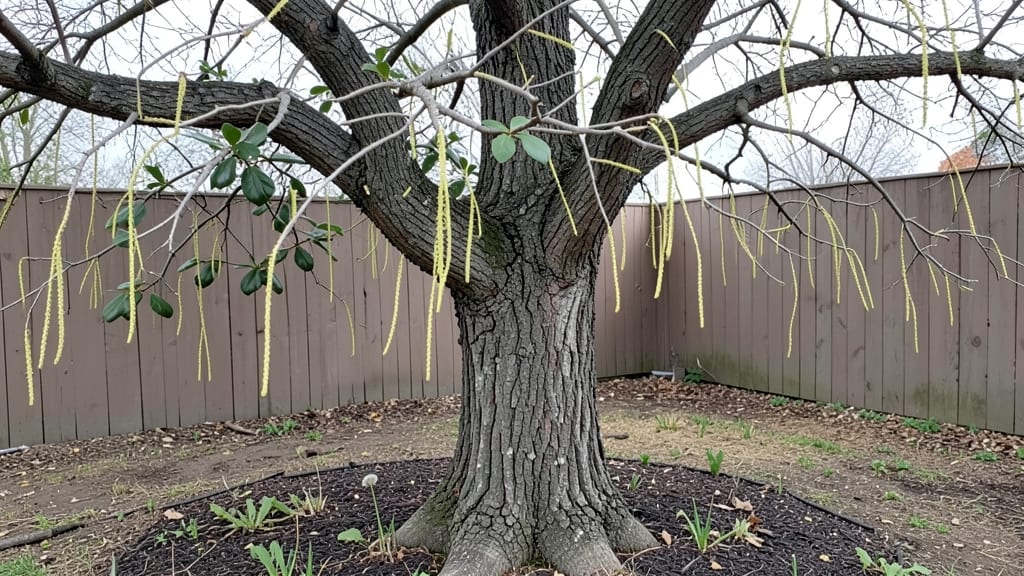
Live oak flowers might look unassuming, but those tiny green catkins in spring are the secret to your tree's future acorns—and they’re worth paying attention to. ✨ I’ve watched my own live oak (Quercus virginiana) transform from a bare-branched winter skeleton to a fragrant spring spectacle, and the key is understanding how to support this delicate but vital process.
The blooms appear in late winter or early spring, right before new leaves unfurl, and they’re wind-pollinated, so you won’t see bees buzzing around them. Male flowers release pollen that fertilizes the female flowers (which look like tiny green spikes), leading to those iconic acorns by fall.
The best way to encourage healthy blooms is simple: water deeply during dry spells in late winter and avoid heavy pruning during bloom season.
What you’ll end up with is a tree that produces more acorns, stronger growth, and that signature live oak shade you love. The flowers themselves are fleeting, but their impact lasts all year.
Plus, those acorns feed wildlife and add to your landscape’s natural beauty—it’s a small investment for big rewards.
Works for both young trees and established giants, though larger specimens may need a ladder to spot the early blooms. Here’s how to give your live oak the best shot at that fragrant, fruitful spring display.
📚 In This Guide
- What you need
- Instructions
- Tips and common mistakes
- Wrapping up and next steps
What you need
- ● Live oak seeds or seedlings: Seeds: 5–10 (for germination testing) or 20+ (for higher success rates). Acorns from mature live oaks work best.
- ● Seedlings: 1–3 (purchased from nurseries, 1–2 feet tall for faster growth).
- ● Well-draining soil: Native sandy loam (ideal for live oaks) or a mix of 60% topsoil, 30% sand, 10% compost.
- ● pH range: 5.0–7.5 (slightly acidic to neutral).
- ● Planting site: Full sun (6+ hours/day) or partial shade (young trees tolerate light shade).
- ● Space: 30–50 feet apart for mature trees (they grow wide!).
- ● Tools: Trowel or shovel (for seed planting or transplanting).
- ● Garden fork (to loosen soil).
- ● Pruners (sterilized, for trimming).
- ● Watering can or hose (with a gentle spray nozzle).
- ● Mulch (2–3 inches of pine straw or wood chips to retain moisture).
- ● Slow-release fertilizer (balanced 10-10-10 or oak-specific formula).
- ● Mycorrhizal fungi (to boost root health—mix into planting hole).
- ● Tree stakes & ties (for young seedlings in windy areas).
- ● Soil moisture meter (to monitor drought stress).
- ● Pest control: Neem oil or horticultural oil (for aphids or scale).
How to cultivate live oak flowers for year-round beauty
These fragrant blooms thrive with minimal fuss—just patience and the right growing conditions.
🌱 Step 1: Choose the Right Live Oak Variety for Flowering
Not all live oaks produce flowers, so select a cultivar known for abundant blooms like Quercus virginiana 'Festiva' or Quercus fusiformis. Young trees (under 10 years old) are more likely to flower than mature specimens. Look for trees with a history of year-round blooming—some varieties produce tiny, catkin-like flowers in spring, while others develop fragrant blossoms in fall.
If you're starting from seed, expect 5-10 years before flowering begins. Grafted trees may bloom sooner, but they’re harder to find. I always check local nurseries for pre-blooming trees—that’s your best bet for instant fragrance.
☀️ Step 2: Plant in Full Sun with Well-Draining Soil
Live oaks need 6+ hours of direct sun daily for optimal flowering. Partial shade reduces bloom production, so avoid planting under other trees or near buildings that cast long shadows. The soil should be sandy loam with a pH between 5.0 and 7.0—too acidic or alkaline, and the tree struggles to set flowers.
Amend heavy clay soil with 2-3 inches of coarse sand or composted pine bark to improve drainage. I’ve seen live oaks in poor soil still produce flowers, but the blooms are sparse and short-lived. A mulch layer of 2-3 inches (using pine straw or shredded bark) keeps roots cool and conserves moisture—critical for consistent blooming.
💧 Step 3: Water Deeply but Infrequently
Overwatering is the #1 killer of live oak flowers—too much moisture stresses the tree and reduces blooming. Water deeply once a week during dry spells, ensuring the soil is moist 12 inches below the surface. Let the top 4-6 inches dry out between waterings to encourage deep root growth, which supports more robust flowering.
Young trees need more frequent watering (every 3-4 days) until established, but mature live oaks are drought-tolerant once rooted. If your area gets less than 1 inch of rain per week, supplement with a soaker hose to avoid wetting the foliage—fungal spores on leaves can stunt flower production.
✂️ Step 4: Prune for Airflow and Sun Exposure
Prune in late winter or early spring (before new growth starts) to remove dead, diseased, or crossing branches. Live oaks flower on new wood, so avoid heavy pruning that removes too many growth tips. Thin the canopy to let light reach the inner branches—this is where the most fragrant flowers often appear.
Never prune more than 25% of the canopy at once. I’ve seen gardeners over-prune and end up with a tree that produces no flowers for 3+ years. Use clean, sharp pruners to make cuts just outside the branch collar. Seal larger wounds with pruning paint to prevent disease entry.
🌿 Step 5: Fertilize Lightly for Consistent Blooms
Live oaks are not heavy feeders, but a balanced, slow-release fertilizer (like 10-10-10) applied in early spring encourages better flowering. Follow the package rate—over-fertilizing leads to leafy growth at the expense of flowers. Organic options like composted manure or fish emulsion work well if you prefer natural amendments.
Skip fertilizer in drought years—stressed trees bloom less. Instead, focus on deep watering and mulching. I’ve seen live oaks produce double the flowers in the second year after proper fertilization, but only if the tree is healthy and well-watered first.
Tips & tricks for perfect live oak flowers
Here's what nobody tells you about coaxing those fragrant live oak blooms to thrive year after year.
Variety Matters: When selecting your live oak, don't just grab any tree—look for Quercus virginiana 'Festiva' or Quercus fusiformis specifically bred for abundant blooms. I learned this the hard way after planting a regular live oak that barely produced flowers. The key is choosing a cultivar with a proven track record of year-round blooming. If you're buying a young tree, ask the nursery about its flowering history—some trees might look healthy but have never produced flowers.
Soil Science: That sandy loam soil in Step 2 isn't just a suggestion—it's non-negotiable for consistent blooming. If your soil is heavy clay, don't just plant and hope. Mix in 2-3 inches of coarse sand or composted pine bark before planting, and test your soil pH. I use a simple soil test kit to confirm the pH is between 5.0 and 7.0. Too acidic or alkaline, and your tree will struggle to set flowers. Remember, those 2-3 inches of mulch aren't optional—they're what keeps roots cool and moisture levels just right for flowering.
Watering Wisdom: The once-a-week deep watering in Step 3 is crucial, but timing matters just as much. Water in the early morning so foliage dries quickly, preventing fungal spores from taking hold. For young trees, I set a reminder for every 3-4 days until they're established. And here's a trick: use a soaker hose placed at the drip line (not the trunk) to deliver water directly to the roots where it's needed most. This prevents surface evaporation and keeps those roots happy for better blooms.
Pruning Precision: When you're pruning in late winter or early spring, think of it like giving your tree a haircut—you want to shape it, not shave it. Never remove more than 25% of the canopy at once, and always cut just outside the branch collar. I've seen gardeners make the mistake of cutting too close to the trunk, which creates wounds that take years to heal. For larger cuts, seal with pruning paint to prevent disease. And remember, live oaks flower on new wood, so avoid heavy pruning that removes too many growth tips where those fragrant blooms will appear.
Pro Tips for Live Oak Flowers
- Here's what nobody tells you about coaxing those fragrant live oak blooms to thrive year after year.
- Variety Matters: When selecting your live oak, don't just grab any tree—look for Quercus virginiana 'Festiva' or Quercus fusiformis specifically bred for abundant blooms.
- Soil Science: That sandy loam soil in Step 2 isn't just a suggestion—it's non-negotiable for consistent blooming.
Frequently asked questions
Got questions about nurturing live oak flowers? You’re not alone—these fragrant blooms spark curiosity! Here are answers to the most common queries to help you grow (and troubleshoot) with confidence.
Do live oak trees really bloom year-round?
While they’re famous for near-year-round flowers, live oaks typically have two peak blooming seasons: spring (March–May) and fall (September–November). Warmer climates (Zones 8–10) may see sporadic blooms year-round, but cold snaps can pause flowering. Pro tip: If your tree isn’t blooming, check for stress (drought, pests, or poor soil).
How long do live oak flowers last?
Individual live oak flowers (those tiny, fragrant catkins) last 3–5 days before wilting, but new blooms continuously replace them. The tree’s overall flowering period stretches for months, especially in ideal conditions. For the best display, prune lightly in late winter to encourage fresh growth—and more flowers!
Can I grow live oak flowers in containers?
Live oaks are not container-friendly—they’re massive trees (60–80+ feet tall!) with sprawling roots. However, you can grow dwarf cultivars (like ‘Nate Owen’) in large pots (3+ feet deep) for patios. For fragrant blooms without the commitment, try alternatives like Forsythia, Crape Myrtle, or Southern Magnolia, which thrive in containers and share similar scents.
Why aren’t my live oak flowers fragrant?
Lack of scent often signals stress. Check these fixes:
- Watering: Live oaks hate soggy soil—ensure 6 inches of dryness between waterings (deep soak weekly in drought).
- Nutrients: Test soil pH (ideal: 5.0–6.5) and amend with compost or oak-specific fertilizer (low nitrogen).
- Pests: Spider mites or scale can sap energy. Spray with neem oil if you spot webbing or sticky residue.
- Age: Young trees (<10 years) may bloom lightly—be patient!
Are live oak flowers edible or safe for pets?
While the flowers themselves aren’t toxic, all parts of the live oak tree (leaves, bark, acorns) contain tannins that can cause stomach upset in pets (especially dogs). Never feed them to animals. As for humans? The petals lack culinary value, but their honey-like scent makes them a favorite for bees—great for pollinator gardens!
Wrapping up and next steps
Live oak flowers are a stunning, fragrant addition to any garden—especially when you know how to nurture them year-round! 🌿 Whether you're a seasoned gardener or just starting out, these resilient blooms reward patience with their delicate beauty and long-lasting charm.
Now that you’re equipped with the right soil, sunlight, and care tips, it’s time to roll up your sleeves and watch your live oak flourish.
Ready to take the next step? Start by planting your first sapling or pruning an existing tree to encourage healthier blooms. Share your progress with fellow gardening enthusiasts or tag us—we’d love to see your fragrant masterpiece in action! 🌸