
Blooming
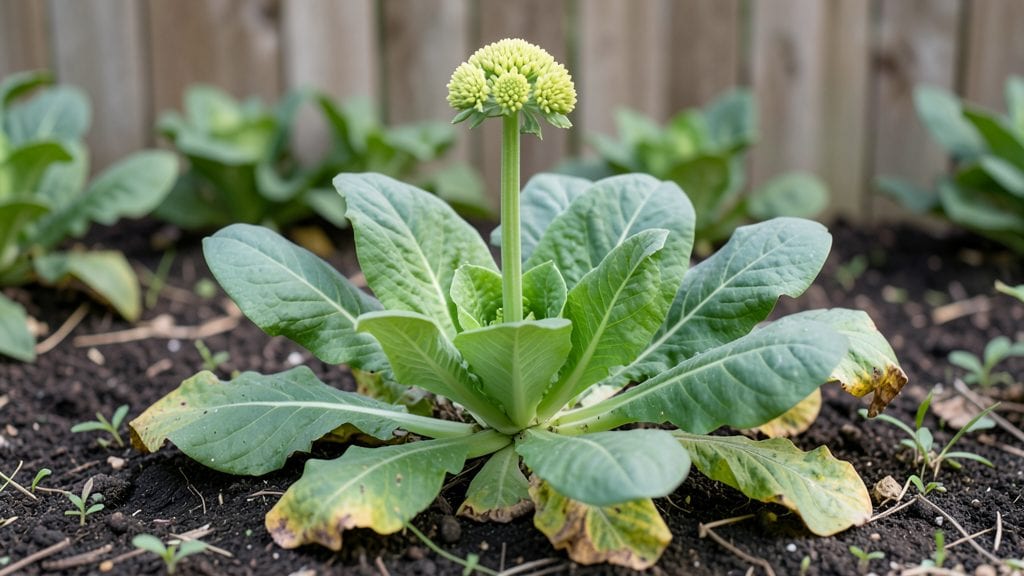
Understanding the lettuce flowering stage is the difference between crisp, tender greens and bitter, woody disappointment.
If your 🥬 is suddenly sprouting flowers instead of crispy leaves, you’ve entered the dreaded bolting stage—ruining your harvest before it even begins. This happens when lettuce senses it’s time to reproduce, often triggered by heat or long daylight hours.
But here’s the good news: with the right timing, variety selection, and a few simple tricks, you can either delay bolting or even harvest your lettuce at its peak flavor just before the flowers appear.
Below, I’ll walk you through how to spot the signs early, adjust your growing conditions, and keep your lettuce producing sweet, crunchy leaves right up until harvest.
How to identify lettuce flowering stage & its impact on leaf quality
When your lettuce plants start sending up tall, flower-studded stems instead of tender leaves, you’re dealing with bolting—the natural flowering stage that signals the end of your harvest window.
This transition isn’t just about aesthetics; it drastically alters leaf texture and flavor, turning crisp greens into tough, bitter stalks. Understanding these visual cues and environmental triggers helps you salvage what’s left of your crop.
Bolting occurs when lettuce perceives stress, primarily from temperature fluctuations or day-length changes. In warm climates, even a single heat wave can push lettuce into flowering mode within 7-10 days.
For gardeners in cooler zones, early spring or late fall cold snaps followed by sudden warmth often kickstart this process. Recognizing these early signs—like stem elongation or yellowing leaves—lets you act fast to preserve leaf quality.
Why it matters: Once bolting begins, lettuce prioritizes seed production over leaf growth. Your once-sweet, crunchy leaves develop bitter compounds (like lactucin) as the plant shifts energy toward reproduction. Even worse, the central stem hardens, making the entire head inedible. The good news? With the right knowledge, you can spot these changes early and decide whether to harvest remaining leaves or pull the plant entirely.
Here’s how to identify the lettuce flowering stage at each critical phase, along with its impact on your crop:
The early bolting stage is your best window to salvage any usable lettuce. At this point, the outer leaves may still be tender enough for salads or sandwiches, but avoid the inner leaves, which are already developing bitterness.
I’ve found that loose-leaf varieties like Black Seeded Simpson handle early bolting slightly better than head lettuces, as you can keep harvesting individual leaves until the stem hardens.
If your lettuce reaches the mid bolting stage, don’t waste time trying to salvage it. The flower buds signal a complete shift in the plant’s priorities, and the leaves will turn leathery within days.
I once let a batch of Buttercrunch bolt in my greenhouse, thinking I could "wait it out." By the time I noticed the wrinkled leaves and tall stems, the entire head was unusable—even the outer leaves tasted like dandelion greens on steroids.
Lesson learned: Pull and compost at this stage.
For late bolting, when open flowers and seed stalks appear, your lettuce has fully transitioned into its reproductive phase. The bitterness becomes overwhelming, and the texture resembles chewed-up paper. At this point, the only humane option is to remove the plant entirely.
However, you can repurpose the seed stalks for wildflower gardens or let them self-seed for next year’s crop—just don’t expect another harvest from the same plant.
Temperature plays a critical role in triggering bolting. Lettuce is a cool-season crop, and when daytime temperatures consistently exceed 75°F (24°C), it perceives this as a signal to reproduce. In my Zone 7b garden, a single heat
When to harvest lettuce before bolting: optimal timing by variety
Timing your lettuce harvest is all about beating the lettuce flowering stage—that moment when your crispy greens turn bitter and send up flower stalks. Different varieties mature at different speeds, so knowing their ideal harvest windows is your secret weapon against bolting.
For example, loose-leaf lettuce like 'Black Seeded Simpson' can be harvested in just 28-35 days, while romaine varieties like 'Parris Island' take 60-70 days to reach peak tenderness.
The lettuce flowering stage is triggered by heat, long daylight hours, or stress—all signs it's time to act fast. If you miss the window, you'll end up with bolted lettuce, which is tough, bitter, and far less appealing.
The key is to harvest when leaves are fully developed but still tender, before the plant shifts energy to flowering. This means checking your plants daily in late spring or early summer when temperatures rise.
- 🌱 Loose-leaf varieties (e.g., 'Salad Bowl'): Harvest when leaves reach 4-6 inches—typically 30-40 days after sowing. Cut outer leaves first to encourage regrowth.
- 🥬 Butterhead varieties (e.g., 'Buttercrunch'): Wait until heads are 4-6 inches wide and leaves are soft and overlapping—around 45-55 days. Harvest the whole head to avoid bitterness.
- ✂️ Romaine varieties (e.g., 'Little Gem'): Cut when leaves form a tight, elongated head (~50-60 days). Look for deep color and crisp texture—ignore any stem elongation signs.
- 🌡️ Heat-tolerant varieties (e.g., 'Jericho'): Can handle warmer temps (80°F+) and may take 55-65 days to mature. Harvest when leaves are fully colored but before flower stalks appear.
Environmental factors like day length and heat waves can accelerate the lettuce flowering stage, so adjust your harvest timeline if your region experiences early summer heat.
For instance, in Zone 7, lettuce planted in March may bolt by late May, while fall plantings in September can stretch harvests into November before frost. Always prioritize leaf maturity over calendar dates—your taste buds will thank you!
To avoid bolting, monitor your lettuce for stem thickening or yellowing leaves, which are early signs of stress. If you see flower buds, it’s too late for a quality harvest—focus on succession planting or shade cloth for future crops.
A simple harvest checklist can save your greens: check for deep color, crisp texture, and no bitter taste before cutting.
Pro tip: Harvest in the morning when leaves are most hydrated and tender. Use a sharp knife or clean scissors to cut just above the soil line for head lettuce, or snip outer leaves for loose-leaf types.
This method encourages continuous regrowth, giving you multiple harvests before bolting sets in. With the right timing, you can enjoy crisp, sweet lettuce all season long!
Remember, the lettuce flowering stage is inevitable in hot climates, but with variety selection and vigilant monitoring, you can maximize your harvest window. Start with slow-bolting varieties like 'Winter Density' or 'Arctic King' for cooler seasons, and opt for heat-resistant types like 'Black Seeded Simpson' in summer. Happy harvesting!