
Lawn
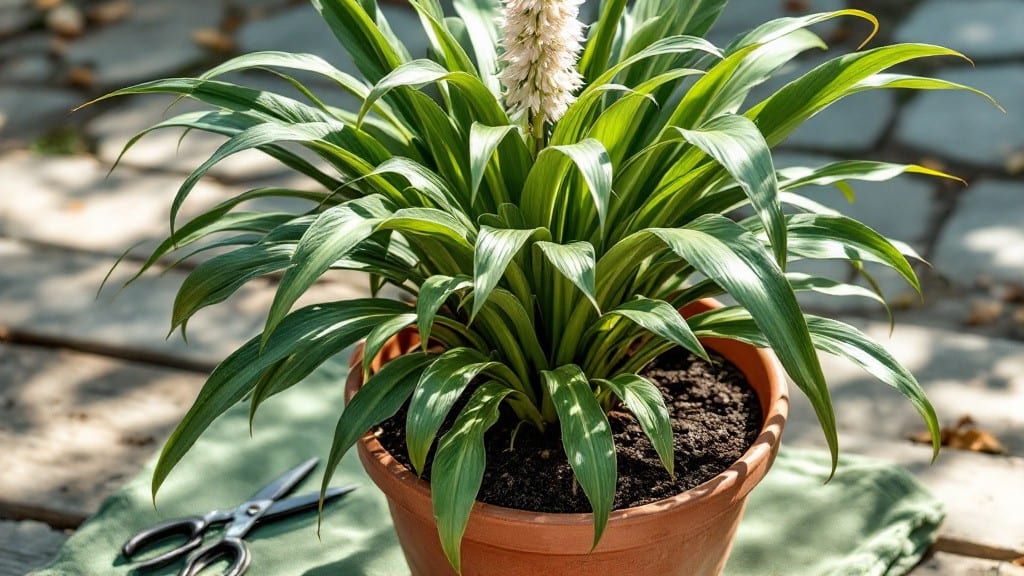
Growing lemon grass flowers from seed is easier than you think—and the fragrant blooms are worth every minute. 🌱 I’ve grown this tropical favorite for years, and the key is mimicking its warm, humid native habitat right in your garden or containers.
The flowers aren’t just pretty; they’re edible too, adding a citrusy kick to teas or garnishes when in bloom.
The secret to success starts with the right setup: well-draining soil, 6+ hours of sunlight daily, and consistent moisture (but never soggy roots). Lemon grass thrives in zones 9-11, but with a little care, you can grow it as an annual in cooler climates.
The first blooms appear in 6-8 months, and once they do, you’ll understand why gardeners love this plant.
Those delicate, lavender-hued flowers aren’t just ornamental—they’re packed with the same citrusy aroma as the stalks. Use them fresh in cocktails, dried in potpourri, or simply enjoy their sweet scent wafting through your garden. The plant itself stays 3-5 feet tall, making it a striking border or patio centerpiece.
Here’s the best part: lemon grass is drought-tolerant once established and repels pests naturally. Just avoid over-trimming the stalks, and you’ll have a fragrant, productive plant for years. Ready to grow yours?
📚 In This Guide
- What you need
- Instructions
- Tips and common mistakes
- Wrapping up and next steps
What you need
- ● Lemon grass flower plants or seeds: Start with Cymbopogon nardus or Cymbopogon citratus (citronella) varieties for edible blooms.
- ● If using seeds: 10–20 seeds per pot or 50–100 seeds for a garden bed (germination takes 10–30 days).
- ● For faster results, opt for potted lemon grass plants (3–6 inches tall, 3–5 plants per container).
- ● Soil: Well-draining potting mix (for containers) or loamy garden soil (amended with compost).
- ○ Optional: Perlite or sand (10–20% mix) to improve drainage.
- ● Containers (if not planting in-ground): 5–7 gallon pots (for 1–2 plants) with drainage holes.
- ● Fabric grow bags (alternative for better aeration).
- ● Fertilizer: Balanced liquid fertilizer (10-10-10 NPK) or organic options like fish emulsion or compost tea.
- ● Slow-release granules (5–10 tbsp per plant, applied at planting).
- ● Tools: Trowel or small shovel.
- ● Pruners (for harvesting or trimming).
- ● Watering can or hose with a gentle spray nozzle.
- ○ pH testing kit (optional, ideal soil pH: 6.0–7.0).
- ● Sunlight: Full sun (6–8 hours daily). Partial shade (4+ hours) works in hot climates.
- ● Temperature: Thrives in 70–95°F (21–35°C). Protect from frost (<50°F/10°C).
- ● Humidity: Prefers 60–70% humidity. Use a humidity tray or misting bottle in dry climates.
- ● Mulch (straw or pine needles) to retain moisture and suppress weeds.
- ● Epsom salt (1 tbsp/month) for magnesium boost (especially in flowering stages).
- ● Insect netting (to protect blooms from bees or pests if desired).
- ● Decorative stones or pebbles (for aesthetic pots or garden borders).
Step-by-Step instructions for cultivating lemon grass flowers
Here's how to grow fragrant, edible lemon grass blooms that thrive year-round with minimal fuss.
🌱 Step 1: Select and Prepare the Right Planting Site
Lemon grass flowers adore warmth and need full sun exposure (6-8 hours daily) to develop their signature citrusy aroma. Choose a spot sheltered from strong winds, as the delicate blooms can tear easily. If growing in containers, ensure they're at least 12 inches deep—lemon grass has long, fibrous roots that need room to stretch.
Before planting, loosen the soil to a depth of 12 inches to improve drainage. Lemon grass hates soggy roots, so amend heavy clay soil with 2-3 inches of compost to create a loose, well-draining medium. If planting in containers, use a mix of potting soil and perlite (60/40 ratio) to replicate ideal conditions.
🪴 Step 2: Plant Clumps or Seeds at the Right Depth
For established clumps, dig holes twice as wide as the root ball and space plants 18-24 inches apart to allow airflow. The tops of the roots should sit just below soil level—burying too deep can suffocate the plant, while planting too shallow exposes roots to drying out. Gently press soil around the base to eliminate air pockets, then water deeply to settle everything.
If starting from seed, sow them ¼ inch deep in warm soil (75-85°F). Germination can take 2-4 weeks, so keep the soil consistently moist (not soggy) with a light misting. Once seedlings reach 4 inches tall, thin them to 12 inches apart—crowding leads to weak stems and fewer blooms.
☀️ Step 3: Maintain Consistent Watering and Fertilization
Water lemon grass flowers 1-2 inches per week, letting the top 2 inches of soil dry out between waterings. Overwatering causes root rot, while underwatering stresses the plant and reduces bloom production. Mulch around the base with 2 inches of organic mulch to retain moisture and suppress weeds—just keep it 3 inches away from the stem to prevent rot.
Feed plants every 4-6 weeks during the growing season with a balanced, water-soluble fertilizer (10-10-10). Reduce feeding in late summer to encourage blooming rather than leafy growth. You’ll know it’s working when new shoots emerge from the base and the leaves stay vibrant green.
✂️ Step 4: Prune for Health and Encourage More Blooms
Deadhead spent blooms by snipping the stem ½ inch above the next leaf node to redirect energy into new flowers. Prune leggy stems in early spring to promote bushier growth—cut back ⅓ of the plant’s height just above a set of leaves. Avoid heavy pruning in fall, as the plant needs foliage to store energy for winter.
Harvest blooms in the morning when their fragrance is strongest. Use clean, sharp scissors to cut stems at a 45-degree angle just above a leaf node. This encourages the plant to branch out and produce more flowers. Store harvested blooms in a cool, dry place for up to 5 days—their citrusy aroma intensifies when dried.
⏰ Step 5: Protect and Overwinter for Year-Round Growth
Before the first frost, cut back foliage to 6 inches tall and mulch heavily (4 inches deep) to insulate roots. Lemon grass is hardy to USDA Zone 9, so in colder climates, dig up clumps and pot them for indoor overwintering. Place pots in a bright window and reduce watering to every 2-3 weeks until spring.
In spring, resume regular care. You’ll notice new shoots emerging from the base within 2-3 weeks—this is your cue to fertilize lightly and prepare for another blooming season. With proper care, lemon grass flowers can live for 5+ years, rewarding you with fragrant blooms year after year.
Tips & tricks for perfect lemon grass flower cultivation
Here's what I've learned after years of growing these fragrant edible blooms—details that make all the difference between a struggling plant and a thriving garden centerpiece.
Sunlight Strategy: The 6-8 hours of full sun in Step 1 is non-negotiable for developing that signature citrus aroma. I've found that morning sun (6AM-12PM) is particularly effective—it gives the plants gentle warmth without the harsh afternoon heat that can stress delicate blooms. If you're in a hot climate, consider light shade during peak afternoon hours (1-4PM) to prevent leaf scorch while still maintaining that critical sunlight exposure.
Soil Science: That 12-inch soil loosening in Step 1 isn't just about drainage—it's about creating an oxygen-rich environment for those long, fibrous roots. I recommend adding a handful of sand to your compost mix if you have heavy clay soil. This creates larger air pockets that prevent waterlogging, which is especially critical during the 1-2 inches per week watering schedule in Step 3. Think of it as building a root-friendly ecosystem rather than just amending soil.
Seed Starting Secret: When sowing seeds at ¼ inch depth in Step 2, I've discovered that using a heat mat set to 75-85°F dramatically speeds germination from 2-4 weeks to just 7-10 days. The key is maintaining consistent warmth—fluctuating temperatures can cause seeds to become dormant. Once seedlings hit that 4-inch mark, I transplant them into individual pots before thinning to prevent root disturbance during the 12-inch spacing requirement.
Pruning Precision: That ½ inch above the next leaf node in Step 4 is crucial for encouraging new growth. I always use clean, sharp pruners and make cuts at a slight angle to prevent water from pooling on the stem. For leggy stems, I make the cut just above a leaf node where you can see new buds forming—this signals the plant to redirect energy to those growth points rather than continuing upward. The result? Bushier plants with more abundant blooms.
Pro Tips for Lemon Grass Flower
- Here's what I've learned after years of growing these fragrant edible blooms—details that make all the difference between a struggling plant and a thriving garden centerpiece.
- Sunlight Strategy: The 6-8 hours of full sun in Step 1 is non-negotiable for developing that signature citrus aroma.
- Soil Science: That 12-inch soil loosening in Step 1 isn't just about drainage—it's about creating an oxygen-rich environment for those long, fibrous roots.
Frequently asked questions
Can lemon grass flowers grow in containers or do they need a garden bed?
Yes! Lemon grass flowers thrive in containers as long as the pot is at least 12–16 inches deep with drainage holes. Use well-draining soil and place them in a spot with 6+ hours of sunlight daily. Containers work great for patios or balconies—just keep an eye on watering, as they dry out faster than in-ground plants.
How long does it take for lemon grass flowers to bloom after planting?
With ideal conditions (warmth, sunlight, and consistent care), you can expect first blooms in 6–12 months. Young plants may take longer, so be patient! Pruning spent flowers encourages more frequent blooming later in the season.
What do I do if my lemon grass flowers aren’t blooming?
No blooms? Check these fixes:
- Light check: Ensure they get full sun (6+ hours/day)—partial shade can delay flowering.
- Fertilizer boost: Use a balanced, low-nitrogen fertilizer (like 10-10-10) every 4–6 weeks during growing season.
- Prune wisely: Trim back dead or leggy stems to redirect energy to blooms.
- Patience: First-year plants focus on roots, so blooms may wait until year two!
Are lemon grass flowers frost-tender? How do I protect them in cold weather?
Lemon grass flowers hate frost—temperatures below 30°F (-1°C) can kill them. Here’s how to prep:
- Move potted plants to a garage or covered porch before frost.
- For in-ground plants, mulch heavily (3–4 inches) with straw or leaves.
- In USDA Zones 9–11, they’re perennial; elsewhere, treat as annuals or dig up tubers to overwinter indoors.
Can I grow lemon grass flowers from seed, or should I start with cuttings?
Both work, but cuttings are faster and easier for beginners. Here’s the scoop:
Method
Pros
Cons
Seeds
More genetic variety; great for experimentation.
Slow (6–12 months to mature); lower germination rates.
Cuttings
Roots in 2–4 weeks; mimics parent plant traits.
Limited to available cuttings; requires healthy source plant.
For quick results, start with cuttings from a local nursery or gardening friend!
Wrapping up and next steps
Growing lemon grass flowers is a rewarding journey that brings fragrant beauty and edible blooms to your garden—no matter the season! 🌿 Whether you’re drawn to their citrusy aroma, culinary uses, or striking appearance, these plants offer versatility and charm.
With the right care, you’ll enjoy their vibrant flowers and even harvest them for teas, garnishes, or natural remedies.
Ready to take the next step? Start small—plant a few clumps in a sunny spot and watch your garden transform into a fragrant paradise. Happy growing! 🌸