
Pests
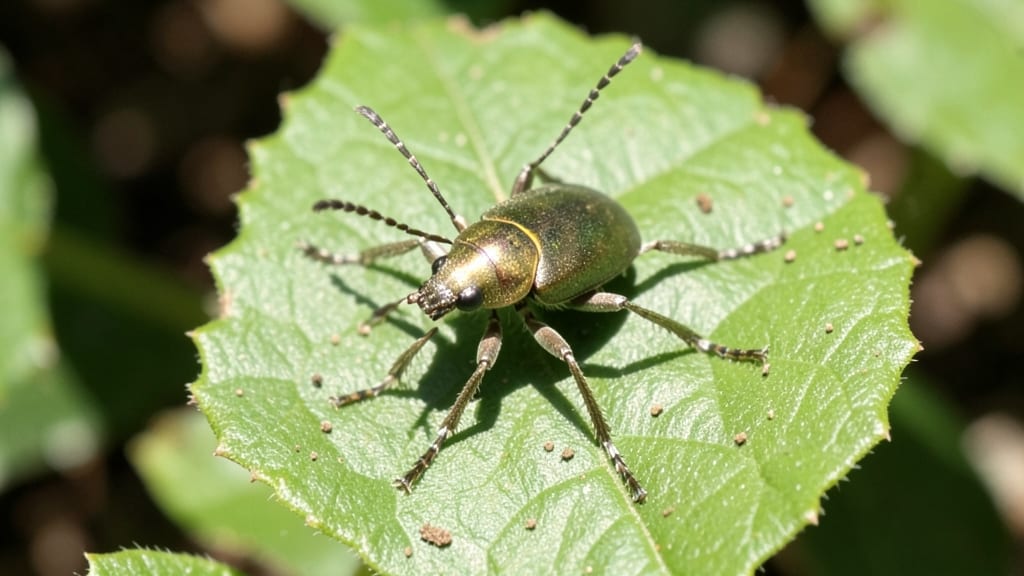
Those shiny copper beetles devouring your roses and peonies? 🌿 Japanese flower beetles turn lush gardens into skeleton leaves overnight—but there’s a better way than chemicals.
I’ve battled them for years, and my secret weapon isn’t harsh sprays but smart timing, physical removal, and a few natural predators that do the work for you.
The beetles thrive in moist, shady spots and chew through over 100 plant species, including tomatoes, grapes, and even fruit trees. Their grubs munch on grass roots too, so the damage happens above and below ground.
The good news? They’re slow fliers and easy to spot—making them surprisingly manageable without poison.
With the right traps, handpicking, and a few strategic plants like catnip or tansy, you’ll slash their numbers by 80% in a season. Your roses stay intact, your veggies grow undamaged, and you avoid harming bees and ladybugs that keep your garden balanced. Let’s outsmart these pests the natural way.
Works for container gardens, raised beds, and full yards—no matter your space, these methods keep your plants thriving while keeping the ecosystem healthy. Here’s exactly how to start today.
Root Causes Of Beetle Attacks
Japanese flower beetles—also known as Japanese rose chafers—don’t just show up out of nowhere. Their presence in your garden or landscape is the result of a mix of environmental, ecological, and even human-influenced factors.
Understanding these causes is key to preventing future infestations. Here’s why these shiny, destructive beetles target your plants in the first place.
The Japanese flower beetle isn’t originally from North America—it’s an invasive species that hitched a ride in the early 1900s, likely through imported nursery plants. Since then, it’s spread rapidly across the U.S. and Canada, thriving in regions with:
- Mild to warm climates: Beetles favor areas with average temperatures between 60–85°F (15–30°C). They’re less common in freezing winters but can survive in colder zones if they burrow into soil or leaf litter.
- Moist, well-drained soil: Adults lay eggs in loamy, slightly acidic soil (pH 5.5–6.5), which is common in gardens with organic matter like compost or mulch.
- Abundant host plants: They’re polyphagous (eating many types of plants), but they have a soft spot for roses, fruit trees, and ornamental shrubs. If your yard is a buffet of their favorites, they’ll stick around.
Actionable tip: 🌡️ If you live in a beetle-prone zone, monitor soil moisture—dry spells can stress plants, making them more vulnerable to beetle feeding.
Beetles don’t just attack healthy plants—they’re drawn to stressed or weakened vegetation. Here’s why:
- Nutrient deficiencies: Plants lacking nitrogen, potassium, or calcium produce softer, more palatable leaves. A quick soil test can reveal imbalances.
- Overwatering or drought: Both conditions disrupt plant defenses. Overwatered roots can’t absorb nutrients well, while drought-stressed plants release volatile organic compounds (VOCs) that attract beetles.
- Recent pruning or damage: Freshly cut or chewed foliage releases plant stress signals (like jasmonic acid), which act as a dinner bell for beetles.
Pro tip: ✨ Water deeply but infrequently (1–1.5 inches per week) to encourage strong root systems. Avoid pruning during peak beetle season (late spring to early summer).
Japanese flower beetles have a predictable life cycle tied to seasonal changes. Their behavior shifts based on:
| Life Stage | When It Happens | Why It Attracts Beetles |
|---|---|---|
| Egg-laying | Late spring to early summer | Females burrow into soil to deposit eggs near decaying organic matter or plant roots. |
| Larvae (grubs) | Summer to fall | Grubs feed on grass roots and shallow plant roots, weakening lawns and young plants. |
| Adult emergence | Late spring (after overwintering) | Adults seek out newly leafed-out plants for feeding, often targeting roses and fruit trees. |
Key insight: 🎯 Peak adult activity occurs in May–July, which is why you’ll see the most damage during these months. Timing your pest control efforts (like handpicking or traps) to this window is critical.
Sometimes, we accidentally create the perfect conditions for beetles. Common human mistakes include:
- Overusing chemical fertilizers: Synthetic fertilizers can burn plant roots, making them easier targets. Opt for slow-release organic fertilizers instead.
- Ignoring yard debris: Piles of leaf litter, grass clippings, or wood chips provide hiding spots for larvae and adults. Clear these areas regularly.
- Planting monocultures: Gardens with only one type of plant (e.g., a single rose bush) offer beetles a nonstop food source. Diversity confuses them!
- Lack of beneficial predators: Birds, toads, and parasitic wasps naturally control beetle populations. Pesticides can disrupt this balance.
Actionable fix: 🌿 Rotate crops, mulch with straw (not wood chips), and avoid broad-spectrum pesticides to support a healthy ecosystem.
Quick Fixes for Garden Invaders
Dealing with shiny, iridescent beetles munching on your prized blooms? Don’t panic—there are simple, eco-friendly ways to reclaim your garden without harsh chemicals. Below, we’ve matched common causes to practical solutions, plus tips to keep these pests at bay long-term.
When your garden looks like an all-you-can-eat buffet, beetles will feast. Overgrown or stressed plants attract them like a neon sign.
🍳 How to Fix It
- Prune aggressively: Trim back wilting, yellowing, or overripe foliage—beetles love weak spots. Use clean, sharp shears to avoid spreading disease.
- Thin out dense areas: Space plants 3–6 inches apart (depending on the type) to improve airflow and reduce hiding spots.
- Remove fallen debris: Piles of leaves, petals, or mulch create cozy beetle hotels. Rake them up and compost far from your garden.
💡 Prevention Tip
Rotate crops annually if you grow vegetables. Beetles remember favorite plants—switching up locations confuses them and disrupts their life cycle.
Beetles thrive in warm, humid conditions and time their attacks to coincide with peak blooming seasons (spring to early summer). Planting at the wrong time can leave your garden vulnerable.
🥘 How to Fix It
- Adjust planting schedules: Opt for early-blooming varieties or plants that mature faster. Beetles arrive later in the season—beat them to the punch!
- Use row covers: Lightweight fabric covers (like floating row covers) block beetles while letting sunlight and water through. Secure edges with soil or bricks.
- Interplant with repellents: Mix in marigolds, basil, or garlic—their strong scents deter beetles naturally.
⏰ Pro Tip
Monitor local beetle activity in your region. Some areas see peaks in May–June; others in July–August. Time your planting (or protective measures) accordingly.
Beetles face few threats in a garden devoid of birds, ladybugs, or parasitic wasps. Without a food chain, they multiply unchecked.
🌿 How to Fix It
- Invite beneficial insects: Plant dill, fennel, or yarrow to attract ladybugs and lacewings, which devour beetle larvae.
- Set up a bird-friendly zone: Install a birdbath or shallow water source with pebbles. Birds like robins and sparrows snack on beetles daily.
- Release nematodes: Beneficial nematodes (Steinernema carpocapsae) target beetle grubs in the soil. Apply in the evening when it’s damp—no harm to plants!
🎯 Long-Term Strategy
Create a “pest-free zone” with native plants. Beetles dislike diversity—mixed gardens confuse them and support a balanced ecosystem.
Drought-stressed plants release stress signals that attract beetles. Even well-watered gardens can suffer if soil is too dry.
💦 How to Fix It
- Deep watering: Soak the root zone 1–2 times per week (early morning or evening). Avoid wetting foliage to prevent fungal issues.
- Mulch heavily: Use 2–3 inches of organic mulch (straw, wood chips) to retain moisture and cool roots.
- Drip irrigation: Slow, targeted watering keeps soil consistently moist without inviting beetles.
✨ Bonus Hack
Group thirsty plants (like tomatoes or peppers) together and water them as a block. This reduces overall watering time and stress signals.
Remember: Consistency is key. Combine one immediate fix (like pruning or row covers) with one long-term strategy (like inviting predators or adjusting planting times). Within weeks, you’ll see fewer beetles—and more blooms!
Frequently asked questions
How do I tell Japanese flower beetles apart from other beetles?
Japanese flower beetles have a shiny copper or bronze body with white spots on the wing covers and a slightly elongated shape. They’re about ½ inch long. Look for their slow, clumsy flight—they don’t dart like ladybugs. Compare them to similar beetles like the rose chafer (which lacks white spots) or Japanese beetles (green with copper heads).
Are Japanese flower beetles the same as Japanese beetles?
No! While both are invasive pests, they’re different species. Japanese beetles (Popillia japonica) are green with copper heads, while Japanese flower beetles (Prionomerus japonicus) are copper-colored with white spots. Japanese beetles attack over 300 plant species, while flower beetles prefer roses, fruit trees, and ornamental shrubs. Their grubs also differ—flower beetle grubs feed on grass roots, while Japanese beetle grubs target lawn roots.
What’s the best time of day to handpick these beetles?
Early morning is ideal when beetles are sluggish and slow-moving after overnight cooling. They’re also easier to spot on dewy foliage. Drop them into soapy water (not just plain water—they’ll swim away!). Avoid midday when they’re most active. For large infestations, repeat this 3 times per week during peak season (May–July).
Will neem oil or other organic sprays work on Japanese flower beetles?
Neem oil can deter beetles when applied as a preventive spray (mix 2 tablespoons per gallon of water + 1 teaspoon dish soap), but it’s not a direct kill. For better results, combine it with physical removal or beer traps. Avoid spraying during blooming season—it may harm pollinators. For immediate control, focus on handpicking or nematodes instead.
How do I protect my roses from beetles without chemicals?
Try these 3-layered defenses:
- Physical barriers: Wrap floating row covers around rose bushes during peak beetle hours (10 AM–4 PM).
- Repellent plants: Interplant catnip, tansy, or garlic nearby—their scents confuse beetles.
- Predator support: Install a birdbath to attract robins, which eat 50+ beetles per day. Prune damaged leaves below the first healthy bud to encourage regrowth.