
Pests
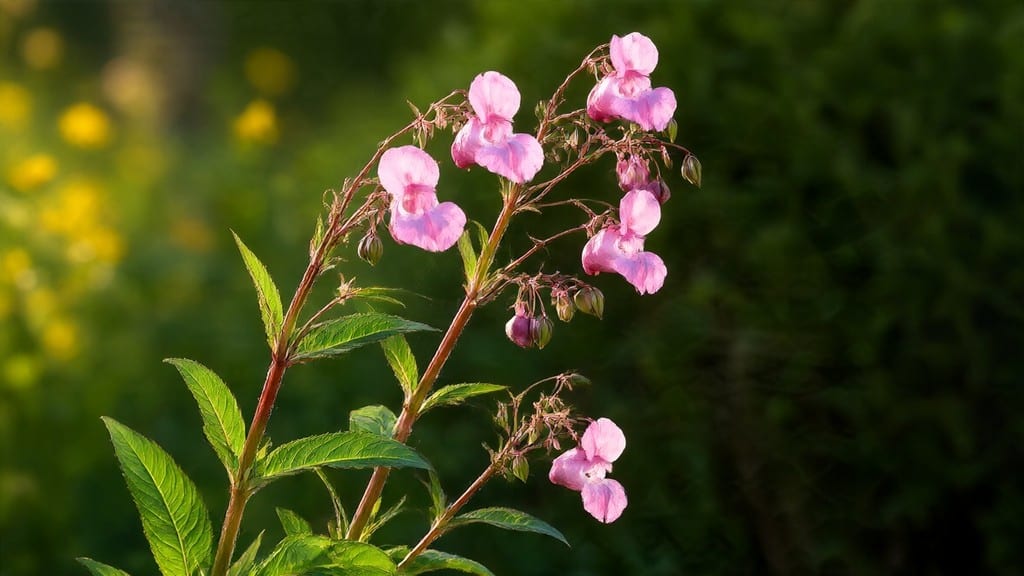
This invasive weed with pink flowers, Himalayan balsam, can transform your garden from serene to overrun within just one growing season. I’ve wrestled with both in my own backyard, and let me tell you, the battle starts with knowing exactly what you’re dealing with before it spreads.
Those delicate pink blooms might look pretty, but they’re a gardener’s nightmare waiting to happen.
The problem isn’t just the way they smother native plants—it’s how aggressively they take over. Himalayan balsam, with its towering stems and seed pods that explode like tiny firecrackers, can choke out entire garden beds within a year.
Japanese knotweed, meanwhile, sends up bamboo-like shoots that crack sidewalks and outcompete everything else. Once established, these weeds are nearly impossible to eradicate without the right approach.
Here’s the good news: with the right tools and timing, you can regain control. Hand-pulling works for small patches, but for larger infestations, a combination of mulching, targeted herbicides, and constant vigilance is your best bet.
I’ll walk you through the exact steps that have worked in my garden—and how to keep these weeds from ever coming back.
Whether you’re dealing with a single stubborn stem or a full-blown invasion, this guide gives you the tools to fight back. The key is acting fast, staying consistent, and choosing the right method for your garden’s size and layout. Let’s get started—your garden’s peace depends on it.
How These Weeds Take Over
That vibrant invasive weed with pink flowers—likely Lamium purpureum (purple deadnettle) or Persicaria maculosa (spotted lady’s thumb)—doesn’t just pop up by accident. Its spread is a mix of biology, human habits, and environmental advantages.
Understanding the why behind its persistence is the first step to stopping it. Let’s break down the science and the real-world factors that turn these plants into garden bullies.
These weeds are built for survival. Their biology gives them an edge over native plants and even some cultivated flowers:
- Rapid, aggressive growth: Pink-flowered invasives like Persicaria maculosa can grow 1 inch per day under ideal conditions. Their sprawling stems root at nodes (called stolons), creating new plants even as the original dies back. This means one plant can become dozens in a single season.
- High seed production: A single Lamium purpureum plant can release up to 1,000 seeds per season, and these seeds stay viable in the soil for 5–10 years. Even a tiny patch can explode into a full-blown infestation.
- Tough seed coats: Many invasive weeds have seeds that resist drying out or freezing, waiting for the perfect moment to germinate. Rain or soil disturbance (like tilling) triggers them all at once.
- Shade tolerance: Unlike sun-loving natives, these weeds thrive in partial to full shade, crowding out garden plants and even tree seedlings. Their broad leaves compete fiercely for sunlight.
💡 Pro Tip: If you’ve got a mulch layer or dense plantings, these weeds can sneak in undetected until they’ve already staked their claim. Check soil surfaces regularly, especially after rain.
Weeds don’t spread on their own—they hitchhike on human activity. Here’s how:
| Action | How It Spreads Weeds |
|---|---|
| 🌿 Gardening tools | Contaminated shovels, rakes, or pruners can carry weed fragments or seeds to new areas. Even a tiny root fragment can regrow into a full plant. |
| 🚚 Soil and compost | Weed seeds often lurk in store-bought soil mixes, mulch, or homemade compost. If you’re not sure of the source, assume it could contain invaders. |
| 💧 Water runoff | Heavy rain or irrigation can wash seeds from one part of your yard to another—or even to your neighbor’s property. Sloped landscapes accelerate this. |
| 🐕👣 Pets and foot traffic | Seeds stick to fur, shoes, and tires. A single walk through an infested area can transport hundreds of seeds to your lawn or garden. |
| 🛒 Unintended purchases | Some weeds (like Persicaria maculosa) are sold as ornamental plants. If they escape cultivation, they can become invasive overnight. |
✨ Actionable Fix: Sanitize tools with a 10% bleach solution or rubbing alcohol between uses. When shopping for plants, ask nurseries about non-invasive varieties.
Not all weeds thrive everywhere—but these pink-flowered invaders love specific conditions that many gardens accidentally provide:
- Moist, fertile soil: They prefer well-draining but consistently damp soil, which is why they often take over after rain or near irrigation lines. Persicaria maculosa even grows in shallow water.
- Disturbed ground: Construction sites, freshly tilled gardens, or areas where grass has been removed create the perfect entry point. Weeds rush in to claim the "empty" space.
- Mild winters: In colder climates, these weeds may die back but return stronger in spring. In warmer regions, they grow year-round, spreading unchecked.
- Lack of natural predators: Native insects or herbivores often don’t recognize invasive weeds as food, giving them a zero-appetite buffer against control.
🌡️ Climate Hack: If your area has hot, dry summers, these weeds may struggle—but they’ll bounce back with the first rain. Stay vigilant even in "off" seasons.
Now that you know why these weeds dominate, the next step is how to outsmart them. (Spoiler: It’s not just pulling them out!) 🚜💥
Tackling These Blooming Invaders
Now that you understand why those vibrant pink-flowered weeds keep taking over, let’s roll up our sleeves and reclaim your garden! The good news?
With the right approach, you can eliminate them effectively—whether they’re creeping through cracks in your patio, choking your lawn, or stealing nutrients from your prized plants.
Below, we’ve mapped out practical solutions tailored to the most common causes of infestations, plus prevention tips to keep them from staging a comeback.
If your garden is just starting to show signs of these tenacious weeds, physical removal can be your first line of defense—especially if the roots are shallow.
🍳 Step 1: Choose the Right Time
- Best timing: Early morning or late afternoon when the soil is moist but not soggy (weeds pull up easier).
- Avoid: Removing weeds after rain if the ground is hard—they’ll snap off, leaving roots behind.
👨🍳 Step 2: Pull with Precision
- For small patches: Use your hands or a weeding tool (like a dandelion digger) to grasp the base of the weed.
- For stubborn roots: Wiggle gently to loosen before pulling—don’t yank or you’ll break the stem, leaving fragments to regrow.
- Pro tip: 💡 Wear gloves—some weeds (like bindweed) can irritate skin, and you don’t want those pink blooms staining your hands!
🔪 Step 3: Dispose Properly
- Bag and trash: If the weed has seeds (like many pink-flowered varieties), don’t compost—toss it in the trash to prevent reseeding.
- For root runners (e.g., creeping charlie): Double-check for tiny offshoots—even a 1-inch piece can regrow!
⏰ How Often?
- Weekly checks during growing season (spring-fall) to stay ahead.
- Early intervention = less work later!
If manual removal feels like a never-ending battle, smothering cuts off sunlight and oxygen, forcing weeds to wither.
🌡️ Option 1: Cardboard or Newspaper Barrier
- How to do it: 1. Lay wet cardboard or thick layers of newspaper over the infested area. 2. Moisten the layers so they stick together.
- Top with 3–4 inches of mulch (straw, wood chips, or leaves). - Best for: Bare soil, garden beds, or under shrubs. - Timeframe: Weeds should die in 2–4 weeks.
✨ Option 2: Landscape Fabric (Semi-Permanent)
- How to do it: 1. Cover the area with landscape fabric, securing edges with rocks or pins.
- Add mulch on top. - Pros: Lasts 1–2 years, great for high-traffic areas. - Cons: Weeds may still sprout through tears—check monthly.
🎯 Prevention Tip:
💡 Leave no gaps! Even a tiny exposed spot can let weeds sneak through. Top up mulch as it breaks down.
For large or deeply rooted infestations, herbicides can be a last resort—but use them wisely to avoid harming your plants.
🔥 Selective Herbicides (Spot Treatment)
- Best for: Weeds growing among desirable plants (e.g., lawns, flower beds).
- How to apply:
- Use a spot treatment with glyphosate-free options like vinegar + dish soap (for small areas) or triclopyr (for tougher weeds).
- Follow label instructions—overapplying can damage nearby plants.
- Timing: Apply on a sunny, calm day (no rain forecast for 24 hours).
🌿 Systemic Herbicides (For Persistent Roots)
- Best for: Weeds with deep roots (e.g., bindweed, oxalis).
- How it works: The herbicide is absorbed and spreads through the plant’s system.
- Example: Roundup (glyphosate)—use only on non-organic gardens and avoid edible plants.
⚠️ Safety First:
- Wear gloves, long sleeves, and goggles—some herbicides can cause skin irritation.
- Keep pets/kids away until the area is dry.
- Test first: Spray a small area to check for plant sensitivity.
Prefer eco-friendly methods? These non-toxic approaches can help weaken or outcompete invasive weeds.
🐞 Encourage Beneficial Insects
- Ladybugs, lacewings, and nematodes naturally prey on weed seeds and young shoots.
- How to attract them:
- Plant native wildflowers (like clover or yarrow) to support their habitat.
- Avoid broad-spectrum pesticides that kill beneficial bugs too.
🌿 Plant Competitors
- Shade-tolerant plants (like hostas or ferns) can outcompete sun-loving weeds.
- Ground covers (e.g., creeping thyme, ajuga) smother soil, leaving no room for invaders.
💡 Pro Tip:
🔥 Boiling water works for small, localized weeds—pour directly on the base (great for cracks in driveways or sidewalks).
The best offense is a strong defense. Here’s how to stop new weeds before they take hold:
🌱 Maintain Healthy Soil
- Weeds thrive in poor soil. Improve yours with:
- Compost (adds nutrients and microbes).
- Cover crops (like clover) in off-seasons to prevent bare soil.
🌡️ Water Wisely
- Deep, infrequent watering encourages deep roots in your plants, making them more resilient.
- Avoid overwatering—weeds like moist conditions more than most garden plants.
🎯 Regular Maintenance
- Weekly walks to spot and pull new sprouts.
- Edge your lawn to prevent weeds from creeping in.
- Clean tools after use to avoid spreading weed seeds.
🚫 Stop the Spread
- Inspect plants before bringing them home (nursery pots can harbor weed seeds).
- Clean garden beds in fall—rake up debris where weeds may have dropped seeds.
Need a fast reference? Here’s how to match your situation to the best solution:
| Problem | Best Solution | Effort Level | Time to Results |
|---|---|---|---|
| Small patch in garden | Manual pulling + mulch | Low | 1–2 weeks |
| Weeds in lawn cracks | Boiling water or vinegar spray | Medium | 3–7 days |
| Large, deep-rooted weeds | Systemic herbicide (spot treatment) | High | 2–4 weeks |
| Weeds under shrubs | Cardboard smother + mulch | Medium | 3–6 weeks |
| Prevention for next year | Healthy soil + cover crops | Ongoing | Long-term |
Final Thought: 🌿 Patience is key—weed eradication is a marathon, not a sprint. But with consistent effort, you’ll soon enjoy a garden free of those pesky pink invaders—and all the more room for your favorite plants to shine!
Frequently asked questions
What are the most common pink-flowered invasive weeds I might encounter?
The two most aggressive offenders are Himalayan balsam (with its explosive seed pods) and Japanese knotweed (which cracks concrete). Other troublemakers include Lamium purpureum (purple deadnettle) and Persicaria maculosa (spotted lady's thumb). These thrive in moist, disturbed soil and spread rapidly through seeds or underground runners.
How can I tell if my garden has a serious infestation?
Look for rapid spread (new plants appearing daily), tall, dense stems crowding out other plants, or seed pods that explode when touched. If you see these weeds along waterways or in multiple garden beds, it's time for aggressive action—manual removal alone won't suffice.
Is vinegar an effective natural weed killer for pink-flowered invasives?
Yes, but with limitations. A 20% vinegar solution (1 part vinegar to 4 parts water + dish soap) works best on young weeds in sunny conditions. For established plants, repeat applications over 2-3 weeks are needed. It won't penetrate deep roots, so combine with mulching for best results.
Can I still use the soil after removing these weeds?
Yes, but sterilize it first. Solarize the area by covering with clear plastic for 4-6 weeks in summer to kill remaining seeds. Alternatively, mix in compost or aged manure to improve soil health and outcompete future weeds. Avoid tilling—it spreads dormant seeds deeper into the soil.
What's the best time of year to tackle these weeds?
Early spring (before flowering) or late fall (after seed drop) are ideal. In spring, weeds are young and easier to pull. In fall, you'll catch any remaining roots before winter dormancy. Avoid treating in summer when weeds are most aggressive and seeds are already spreading.