
Flowers
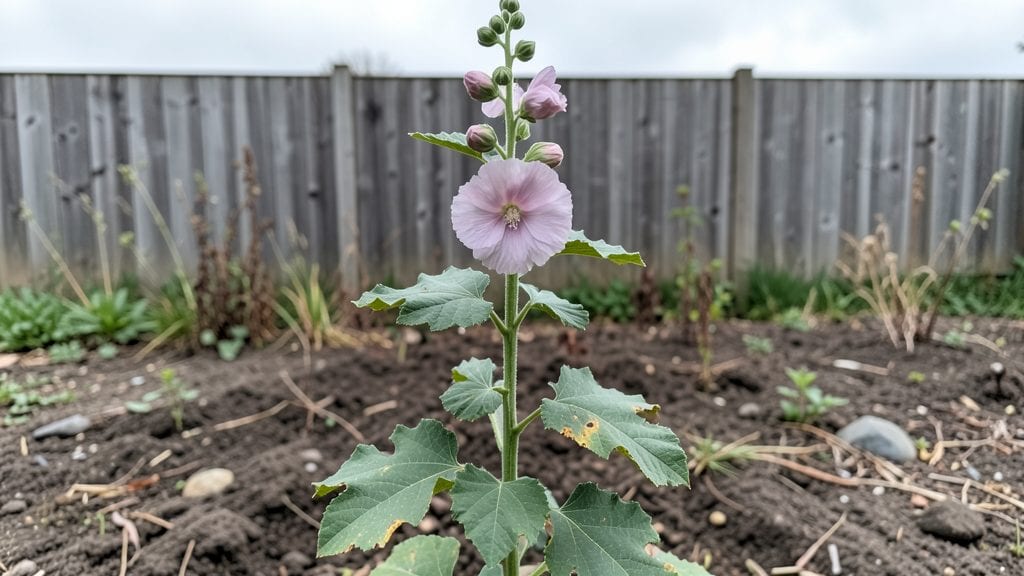
The hollyhock flower leaves you’ve been overlooking are actually edible—and packed with surprising versatility. 🌿 I used to toss them without a second thought, but after harvesting a few for a spring salad, I realized they’re one of the most underrated garden ingredients.
Their slightly tangy, spinach-like flavor works in everything from soups to pestos, and the harvest doesn’t hurt the plant’s blooms.
Healthy hollyhock leaves are deep green, broad, and slightly fuzzy on the undersides—think of them as nature’s own garnish. But watch for trouble signs: yellow spots or powdery white patches mean leaf spot or powdery mildew, common in humid summers.
Pruning infected leaves early keeps your plants thriving, and well-draining soil prevents most issues before they start.
To harvest, snip outer leaves (never more than ⅓ of the plant at once) and use them fresh or lightly blanched. The flavor mellows when cooked, making them perfect for stir-fries or sautéed greens.
With the right care, you’ll get multiple harvests all season long—no fancy equipment or expensive seeds required.
Bonus: The same plants that feed you also attract pollinators and add dramatic height to your garden. It’s a win-win that turns a “weed” into a culinary star. Ready to give it a try?
Root Causes of Leaf Issues
Before you harvest those lush hollyhock leaves for your culinary adventures, it’s smart to understand why they might develop problems—like yellowing, wilting, or pest damage. These issues often stem from environmental stress, poor growing conditions, or biological threats.
Here’s a breakdown of the most common culprits and their scientific explanations:
Hollyhocks thrive on balanced nutrition, and deficiencies can quickly turn their leaves into a sad, wilted mess. Here’s what to watch for:
- Nitrogen (N) Deficiency Symptoms: Pale yellow leaves (chlorosis), stunted growth, and weak stems. Why it happens: Nitrogen is essential for chlorophyll production and overall plant vigor. Hollyhocks are heavy feeders, especially during rapid growth phases (spring to early summer).
If your soil lacks organic matter or you haven’t amended it recently, nitrogen levels drop. Actionable fix: - Test your soil (pH 6.0–7.0 is ideal for hollyhocks). - Add compost, aged manure, or a balanced organic fertilizer (10-10-10 or higher in nitrogen). - Top-dress with alfalfa meal (4–6 lbs per 100 sq ft) for a slow-release boost.
- Magnesium (Mg) Deficiency Symptoms: Interveinal yellowing (leaves turn yellow between veins) on older foliage, while veins stay green. Why it happens: Magnesium is a central atom in chlorophyll. Compacted or acidic soils (pH < 6.0) lock up magnesium, making it unavailable.
Hollyhocks also compete aggressively with weeds for nutrients. Actionable fix: - Apply Epsom salt (magnesium sulfate)—dissolve 1 tbsp per gallon of water and spray on leaves weekly for 3–4 weeks. - Mix dolomitic lime into the soil (follow package rates) to raise pH and release magnesium.
- Potassium (K) Deficiency Symptoms: Brown or blackened leaf edges (scorching), weak stems, and poor disease resistance. Why it happens: Potassium regulates water balance and enzyme activity.
Overwatering, sandy soils, or excessive nitrogen (without potassium) can deplete K levels. Actionable fix: - Use wood ash (sparingly—hollyhocks prefer slightly acidic soil) or a potassium-rich fertilizer like greensand. - Mulch with banana peels (composted) or kelp meal for a natural potassium boost.
Hollyhocks are drought-tolerant once established, but their leaves scream for help when watering goes wrong. Here’s how to spot the signs:
- Overwatering or Poor Drainage Symptoms: Yellowing leaves, mushy stems, and roots sitting in soggy soil. Fungal diseases (like powdery mildew or root rot) often follow. Why it happens: Hollyhocks hate wet feet. Clay-heavy or compacted soils trap moisture, suffocating roots and inviting pathogens.
Overzealous watering (especially in containers) can drown them. Actionable fix: - Amend soil with perlite, coarse sand, or compost to improve drainage. - Water deeply but infrequently—aim for 1–1.5 inches per week (less in rain).
Use the "finger test"—stick your finger 2 inches into the soil; if it’s dry, water. - Elevate containers with gravel or raised beds to prevent waterlogging.
- Underwatering or Drought Symptoms: Crispy, curled leaves, wilting even when watered, and stunted blooms. Why it happens: Hollyhocks are tap-rooted, meaning they send a long root deep for moisture.
Shallow watering encourages weak, shallow roots that can’t access reserves during dry spells. Actionable fix: - Install drip irrigation or soaker hoses to deliver water slowly to the root zone. - Mulch with straw or wood chips (2–3 inches deep) to retain moisture and cool roots. - Deep-water every 7–10 days in extreme heat (early morning or evening to reduce evaporation).
Hollyhock leaves are a buffet for bugs and fungi, especially in humid or crowded conditions. Here’s how to ID the culprits:
- Aphids, Spider Mites, or Japanese Beetles Symptoms: Holey leaves, sticky residue (aphid honeydew), or fine webbing (mites). Beetles chew notches along leaf edges. Why it happens: These pests thrive in warm, dry conditions and target stressed plants (e.g., those with nutrient deficiencies).
Hollyhocks are also magnets for beetles due to their high sap content. Actionable fix: - Blast off pests with a strong spray of water (disrupts their life cycle). - Introduce beneficial insects—ladybugs (aphids), lacewings (mites), or neem oil spray (1 tsp neem oil + 1 tsp mild soap per quart of water). - Handpick beetles in the early morning (drop them in soapy water).
- Powdery Mildew or Rust Fungi Symptoms: White powdery coating (mildew) or orange rust spots on leaves. Leaves may yellow and drop prematurely. Why it happens: Fungi love humid, stagnant air and poor air circulation.
Hollyhocks in shady or overcrowded spots are high-risk. Actionable fix: - Space plants 18–24 inches apart for airflow. - Water at the base (avoid wetting foliage) and prune for sunlight. - Prevent with baking soda spray (1 tbsp baking soda + 1 quart water + 1 tsp oil) or copper fungicide (follow label).
- Slugs and Snails Symptoms: Large, irregular holes in leaves, especially at night or after rain. Why it happens: These mollusks are drawn to moist, shaded areas and young, tender hollyhock leaves. Actionable fix:
- Set out beer traps (bury a cup filled with beer—slugs drown in it).
- Use copper tape around plant bases (creates a mild electric barrier).
- Handpick at night with a flashlight (they’re slow and easy to spot).
Hollyhocks are hardy but not invincible—extreme heat, cold, or wind can turn their leaves into a sad, crispy mess.
- Heat Stress Symptoms: Bleached or sun-scorched leaves, wilting, and premature flower drop. Why it happens: Hollyhocks prefer moderate climates (USDA zones 3–9).
In zone 10+, afternoon sun can exceed their tolerance (above 90°F/32°C). Actionable fix: - Provide afternoon shade with a light cloth or lattice. - Mulch heavily to keep roots cool and water deeply at dawn.
- Cold Damage Symptoms: Blackened or mushy leaves, stunted growth in spring. Why it happens: Young hollyhock leaves are susceptible to frost (below 28°F/-2°C).
Overwintering plants may suffer if not protected. Actionable fix: - Mulch with straw (4–6 inches) before the first frost. - Cover with frost cloth for tender varieties (e.g., Alcea rosea cultivars).
- Wind Burn Symptoms: Brown, papery edges on leaves, especially on exposed sides. Why it happens: Hollyhocks have large, delicate leaves that dry out quickly in strong winds (common in coastal or open gardens). Actionable fix:
- Plant in a sheltered spot (near a fence or hedge).
- Use windbreaks (bamboo screens or tall grasses).
Sometimes, the issue isn’t dramatic—it’s **
Revitalize Your Hollyhock Harvest
Transforming your hollyhock leaves from struggling to thriving is easier than you think! Whether your plants are suffering from pests, diseases, or environmental stress, these practical solutions will help you restore their health—and their edible potential.
Below, we’ve mapped common issues to simple fixes, along with prevention tips to keep your hollyhocks lush and leafy for seasons to come.
Hollyhock leaves often become a buffet for pests like aphids, spider mites, or hollyhock borers. Here’s how to evict them without harsh chemicals:
🔥 Aphids & Spider Mites: Blast Them Away
- Fix: Spray leaves with a soapy water solution (1 tsp mild dish soap + 1 quart water).
Reapply every 3–4 days until pests vanish. - Prevention: - Encourage ladybugs (their natural predators) by planting nearby flowers like marigolds or dill. - Prune heavily infested leaves immediately to stop the spread.
🐛 Hollyhock Borers: Drill & Drown
- Fix: Use a skewer or knife to pierce borer holes in stems.
Pour neem oil or soapy water into the holes to drown larvae. - Prevention: - Remove and destroy infested stems promptly—don’t compost them! - Rotate crops if growing hollyhocks in the same spot yearly.
🐜 Slugs & Snails: Set Traps & Barriers
- Fix: Place beer traps (bury a shallow dish filled with beer) near plants or scatter diatomaceous earth (food-grade) around the base.
- Prevention:
- Water in the morning to reduce slug activity (they thrive in dampness).
- Mulch lightly with sharp materials like crushed eggshells to deter crawlers.
Hollyhock leaves can yellow, spot, or rot due to fungal infections (like powdery mildew or rust) or bacterial blight. Act fast to save your crop!
🍄 Powdery Mildew: Scrub & Spray
- Fix: 1. Prune affected leaves and dispose of them in the trash (not compost).
- Spray with a baking soda mix (1 tbsp baking soda + 1 quart water + a drop of soap) weekly. - Prevention: - Space plants 18–24 inches apart for airflow. - Avoid overhead watering—use drip irrigation or water at the base.
🔥 Rust Fungus: Copper or Organic Fungicides
- Fix: Apply a copper fungicide (like copper soap) or neem oil every 7–10 days until symptoms fade.
- Prevention:
- Remove plant debris after harvest to reduce spores.
- Plant resistant varieties like ‘Black Prince’ or ‘Lady of the Lake.’
💦 Bacterial Blight: Sterilize & Isolate
- Fix: Cut out blackened or oozy leaves and sterilize pruners with rubbing alcohol. Reduce watering to prevent spread.
- Prevention:
- Rotate planting locations yearly to avoid soil-borne bacteria.
- Disinfect tools before and after use.
Yellowing, curling, or stunted hollyhock leaves often signal a hunger for key nutrients. Fix them with targeted fertilizers:
| Symptom | Likely Cause | Quick Fix | Prevention Tip |
|---|---|---|---|
| Yellow lower leaves | Nitrogen deficiency | Apply fish emulsion or compost tea | Side-dress with aged manure spring/fall. |
| Purple stems/leaves | Phosphorus deficiency | Use a bone meal or rock phosphate | Mix into soil at planting. |
| Weak, pale new growth | Magnesium deficiency | Spray Epsom salt solution (1 tbsp/gal water) | Add kelp meal to soil annually. |
- Pro Tip: 💡 Test your soil (DIY kits are cheap!) to avoid over-fertilizing—hollyhocks prefer well-draining, slightly alkaline soil (pH 6.5–7.5).
Hollyhock leaves wilt or droop when stressed by heat, drought, or poor drainage. Tweak your growing conditions to revive them:
💧 Drought Stress: Hydrate Gently
- Fix: Water deeply 1–2 times per week (check soil 1 inch down—if dry, water). Use mulch (straw or wood chips) to retain moisture.
- Prevention:
- Group hollyhocks with thirsty plants near a drip system.
- Avoid soggy soil—hollyhocks hate "wet feet."
🔥 Heat Scorch: Shade & Cool Down
- Fix: Provide afternoon shade (use shade cloth if needed) and mist leaves on hot days.
- Prevention:
- Plant in late spring after soil warms but before peak summer.
- Choose heat-tolerant varieties like ‘Peach Blow’ or ‘White Lady.’
🌱 Poor Drainage: Loosen & Drain
- Fix: Amend heavy soil with perlite or coarse sand, and raise beds slightly if drainage is chronic.
- Prevention:
- Test soil drainage—fill a hole with water; if it doesn’t drain in 6 hours, improve soil.
- Avoid planting in low spots where water pools.
To keep your hollyhock leaves edible and productive, follow these harvesting best practices:
- Pick young leaves (4–6 inches long) for tender, flavorful greens.
- Harvest in the morning after dew dries but before the sun peaks.
- Leave lower leaves to photosynthesize—focus on upper growth.
- Wash gently with cool water to remove dirt (no soap—it’s bitter!).
Remember: 🌿 Consistency is key! Monitor your plants weekly, address issues early, and soon you’ll be feasting on homegrown hollyhock leaves—pesto, salads, or steamed greens—with zero guilt. Happy growing!
Frequently asked questions about hollyhock leaves
Are hollyhock leaves truly edible, or is that just folklore?
Yes, they’re absolutely edible! The young, tender leaves have a mild, slightly tangy flavor similar to spinach or Swiss chard. They’re packed with nutrients like vitamin C and calcium, and you can use them raw in salads (lightly blanched first for better texture) or cooked in soups, pestos, or stir-fries. Just avoid older, tough leaves—they’re less flavorful and tougher to digest.
How do I tell if hollyhock leaves are healthy enough to harvest?
Healthy leaves are deep green, broad, and slightly fuzzy on the undersides. Look for firm texture and vibrant color—avoid leaves with yellow spots, holes, or powdery white coatings (signs of mildew or pests). Harvest outer leaves first, leaving the inner growth to keep the plant thriving. Never take more than ⅓ of the plant at once to avoid stressing it.
Why are my hollyhock leaves turning yellow, even though I’m watering them?
Yellowing leaves often signal a nutrient deficiency or overwatering. Check the pattern: Uniform yellowing usually means nitrogen deficiency (fix with compost or fish emulsion), while yellow edges could indicate potassium deficiency (try wood ash or banana peels). If the soil stays soggy, hollyhocks hate “wet feet”—amend drainage with perlite or sand and water only when the top 2 inches of soil are dry.
Can I grow hollyhocks in containers, and how do I care for their leaves?
Choose dwarf varieties like ‘Chater’s Double’ for containers. Use well-draining soil with perlite or compost, and ensure pots are at least 12 inches deep to accommodate their taproots. Water when the top 1 inch of soil dries out, and fertilize lightly with a balanced organic fertilizer every 4–6 weeks. Prune leaves regularly to encourage bushier growth and prevent overcrowding.
What’s the best way to store harvested hollyhock leaves?
Fresh leaves stay crisp for 3–5 days in the fridge, wrapped in a damp paper towel inside a plastic bag. For longer storage, blanch leaves for 1–2 minutes in boiling water, then shock in ice water before freezing in airtight containers or bags. Frozen leaves retain flavor for up to 6 months—perfect for soups or smoothies when fresh ones aren’t available.