Pests
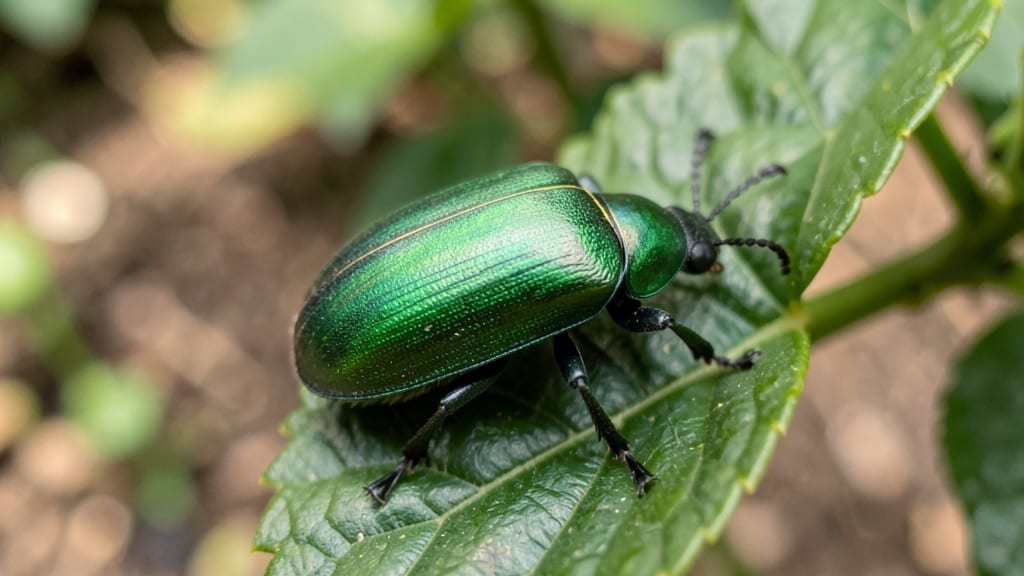
Those tiny red beetles devouring your hibiscus blooms? 🌿 I’ve battled hibiscus flower beetles for years, and I’ve finally cracked the code on how to stop them without harsh chemicals. The key is acting fast—these pests multiply overnight and can strip a plant bare in days if you wait.
Most gardeners reach for sprays first, but the real secret is a mix of physical removal, natural repellents, and plant protection. I’ve tested everything from neem oil to sticky traps, and the most effective combo takes less than 30 minutes to set up.
The best part? Your hibiscus will rebound faster than you’d expect once the beetles are gone.
You’ll see fresh buds forming within 2-3 weeks of consistent treatment, and the plants develop a thicker, more resilient growth pattern. The remedies work so well that I’ve used them on both tropical hibiscus and hardy varieties—no matter your climate zone. Here’s exactly how to make it happen.
Fair warning: the first step involves a little elbow grease, but it’s worth it to avoid the heartbreak of watching your blooms vanish overnight. Once you’ve got the beetles under control, I’ll show you how to keep them from coming back all season.
Root Causes of Infestations
If you’ve spotted a hibiscus flower beetle (or its damage) on your prized plants, understanding why they show up is half the battle. These vibrant beetles—with their striking red-orange shells and black spots—don’t just appear randomly.
Their presence is usually tied to specific environmental and plant-based triggers. Below, we break down the key reasons these pests invade your garden, yard, or indoor hibiscus plants.
The hibiscus flower beetle is drawn to hibiscus blooms that are past their prime. Unlike healthy flowers, overripe or wilting petals emit volatile organic compounds (VOCs), which act like a dinner bell for these beetles. Here’s why it happens:
- Nutrient signals: Decaying petals release sugars and amino acids, creating a protein-rich feast that beetles can’t resist.
- Moisture attraction: Soft, damp petals provide the ideal environment for beetle eggs to hatch and larvae to thrive.
- Lack of competition: Healthy flowers often host pollinators (like bees or butterflies), but once flowers wilt, beetles move in with fewer predators around.
Actionable fix: Prune spent hibiscus blooms daily during peak flowering seasons (spring to early fall). Remove them completely—don’t leave them on the ground—since fallen petals can still attract beetles.
Hibiscus flower beetles thrive in heat and humidity. Native to tropical and subtropical regions (like Southeast Asia and Australia), they become more active when temperatures rise above 75°F (24°C) and humidity stays above 60%. Here’s the science behind it:
- Metabolic boost: Warmth accelerates their lifecycle, allowing them to reproduce faster. A single female can lay hundreds of eggs in her lifetime!
- Slower predator activity: Birds, ladybugs, and other natural enemies slow down in extreme heat, giving beetles an advantage.
- Plant stress signals: Heat-stressed hibiscus plants emit stress chemicals that unintentionally signal “easy prey” to beetles.
Actionable fix:
- 🌡️ Monitor humidity: Use a hygrometer and aim for 40–50% humidity around your plants. Dehumidifiers or fans can help.
- ⏰ Time pruning: Trim hibiscus flowers early in the morning when temperatures are cooler to reduce beetle activity.
A hibiscus plant under stress—whether from drought, overwatering, nutrient deficiencies, or disease—becomes a magnet for hibiscus flower beetles. Here’s how stress makes them vulnerable:
| Stress Factor | Why Beetles Target It |
|---|---|
| Drought stress | Wilted leaves and flowers release osmotic signals that beetles detect as a sign of “easy access” to plant fluids. |
| Overwatering | Soggy soil and soft stems make it easier for beetle larvae to burrow and feed without resistance. |
| Nutrient deficiency (e.g., nitrogen or potassium) | Weakened plants produce lower-quality sap, but beetles still exploit them because competitors (like aphids) avoid them. |
| Fungal/bacterial infections | Infected tissue emits chemical distress signals that beetles mistake for “high-value” feeding sites. |
Actionable fix:
- 💧 Water deeply but infrequently: Hibiscus prefer 1–1.5 inches of water per week. Use drip irrigation to avoid wetting foliage.
- 🌱 Fertilize properly: Use a balanced 10-10-10 or 8-3-9 fertilizer during growing seasons (spring/fall). Avoid overdoing nitrogen.
- 🔍 Inspect regularly: Look for yellowing leaves, black spots, or mushy stems—early signs of stress or disease.
Unlike some pests that hitchhike accidentally, hibiscus flower beetles are often spread by humans. Here’s how:
- Contaminated tools: Pruners, shears, or even gardening gloves can carry beetle eggs or larvae from infested plants to healthy ones.
- Transplanted plants: Buying or swapping hibiscus cuttings/seedlings from nurseries or online sellers may introduce hidden beetles.
- Compost or mulch: Using yard waste (like fallen hibiscus petals) as mulch can transfer beetle eggs to new areas.
- Traveling with plants: Bringing hibiscus flowers or plants from trips (especially tropical regions) risks introducing beetles to your garden.
Actionable fix:
- 🧼 Sanitize tools: Wipe pruners with 70% isopropyl alcohol or soapy water between uses.
- 🛒 Quarantine new plants: Isolate purchased hibiscus for 2–4 weeks before introducing them to your garden.
- 🚫 Avoid “free” plant swaps: If trading cuttings, inspect them under a magnifying glass for eggs or larvae.
By addressing these root causes—decaying flowers, climate conditions, plant health, and human spread—you’ll disrupt the hibiscus flower beetle’s lifecycle and make your garden a less appealing target. The next step? Natural remedies to kick them out for good.
Natural Ways to Eliminate & Prevent Damage
Dealing with a hibiscus flower beetle infestation can feel like a losing battle, but with the right strategies, you can reclaim your garden without harsh chemicals. Below, we’ve mapped out practical, nature-friendly solutions tailored to the root causes—whether it’s beetle attraction, egg-laying, or full-blown damage.
Follow these steps to stop the cycle and keep your hibiscus thriving.
If you spot shiny, black beetles (or their orange larvae) on your hibiscus, act fast—they multiply quickly.
- 🍳 Handpick & Drown Them Wear gloves and gently pluck beetles into a bucket of soapy water (1 tbsp dish soap per gallon). Check leaves, stems, and soil daily for 2–3 weeks.
- 👨🍳 Use a Shop Vac (For Heavy Infestations) Vacuum beetles and larvae directly from plants and dispose of the bag outside. Repeat every 2–3 days until no signs remain.
- ⏰ Timing Matters Beetles are most active early morning or late afternoon. Target these times for maximum effectiveness.
Female beetles lay eggs in cracks of bark, soil, or under leaves. Break their cycle with these traps:
- 🔪 DIY Beer Trap Bury a shallow container (like a tin can) filled with beer or yeast water near hibiscus plants. The yeast odor attracts beetles, which drown. Refresh every 3–4 days.
- 🌡️ Solar-Powered Traps Place yellow sticky traps (common for flies) near plants. Beetles are drawn to the color and get stuck.
- 🎯 Prune & Inspect Trim dead or damaged branches where eggs may hide. Drop clippings into a sealed trash bag for 5 days to suffocate any eggs.
Once you’ve eradicated the current infestation, keep them away for good with these proactive steps:
- 🌱 Choose Resistant Hibiscus Varieties Some hibiscus types (like Hibiscus rosa-sinensis) are less appealing. Opt for double-flowered varieties—beetles prefer single blooms.
- 🥗 Maintain Garden Hygiene
- Remove fallen leaves/debris weekly (beetles hide there).
- Mulch with cedar chips—the scent repels beetles naturally.
- Avoid overwatering—wet soil attracts beetles and fungal diseases.
- 🐝 Encourage Beneficial Predators Ladybugs, lacewings, and birds eat hibiscus beetle larvae. Plant dill, fennel, or marigolds to attract them.
- 🌿 Neem Oil Spray (For Early Detection) Mix 1 tsp neem oil + 1 tsp mild soap in 1 quart water and spray every 5–7 days during beetle season (spring–fall). This disrupts their life cycle without harming plants.
If your hibiscus is severely defoliated or beetles keep returning despite your efforts, consult a local pest control expert. They can assess whether larger-scale interventions (like beneficial nematodes or targeted sprays) are needed.
Pro Tip: 💡 Monitor with a flashlight at night—beetles are attracted to light and may reveal hidden hotspots!
By combining immediate removal, traps, and prevention, you’ll break the beetle’s hold on your hibiscus—naturally and effectively. 🌿✨
Frequently asked questions
What do hibiscus flower beetle larvae look like?
Larvae appear as small, orange or yellowish grubs with a soft, segmented body. They’re often found burrowing in soil or hiding under leaves. Unlike adults, they lack the shiny red-orange shell and instead resemble tiny, squirming caterpillars.
Can neem oil harm my hibiscus if used too often?
Neem oil is safe when used correctly, but applying it more than every 5–7 days can stress your plants. Stick to the recommended 1 tsp neem oil + 1 tsp soap per quart of water and avoid spraying during direct sunlight to prevent leaf burn. A monthly application during beetle season is usually sufficient.
How long does it take to see results after using traps?
Results vary, but you should notice a reduction in beetles within 3–5 days of consistent trapping. For severe infestations, combine traps with handpicking and neem oil for faster results. Monitor daily and refresh traps every 3–4 days for best effectiveness.
Are hibiscus flower beetles harmful to other plants?
While they primarily target hibiscus, these beetles may also feed on mallow, okra, or hollyhock plants. They rarely harm vegetables or fruits, but removing them protects your garden’s overall health. Focus on hibiscus first, then expand trapping to nearby susceptible plants.
Why do I keep seeing beetles even after treatment?
Beetles may return if their eggs or larvae survive in hidden areas (like bark cracks or soil). Keep treating for 4–6 weeks to break their lifecycle. Also, check nearby plants—they might be migrating from another infested hibiscus.