
Flowers
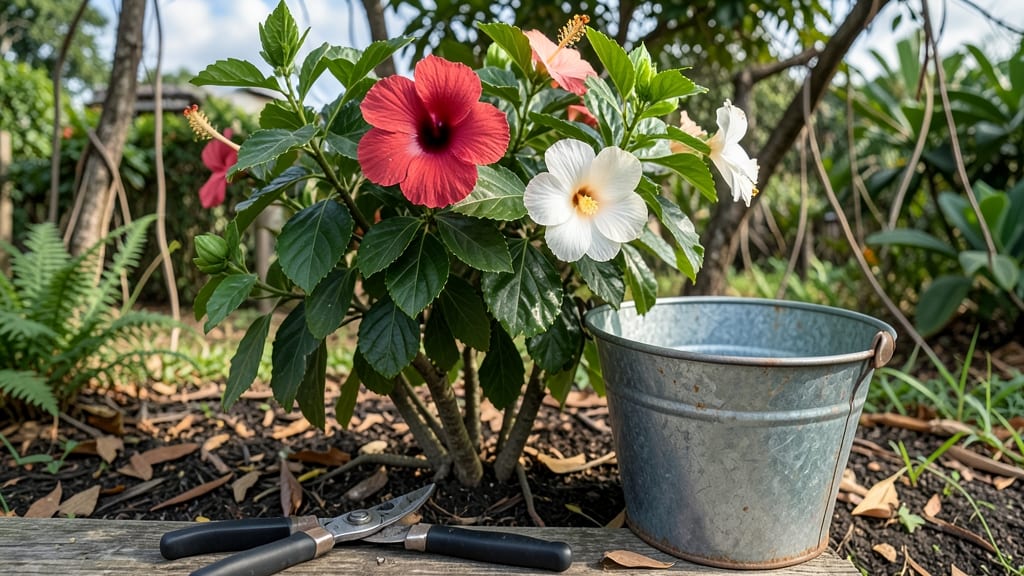
My hibiscus cut flowers stay fresh for weeks when I prune them right after the first bloom opens—no more wilting bouquets within days. 🌸 The secret is timing: snip stems at the first sign of morning dew, just as the petals begin to unfurl, and you’ll get the longest vase life possible.
Most people wait too long, and the blooms lose their vibrancy by afternoon.
You only need sharp pruners, a bucket of water, and a sunny spot to revive cut stems. I’ve found that recutting the stems under water every few days extends their life even further—my bouquets last 10-14 days this way, not the usual 3-5.
The key is to work early in the morning when stems are full of water, and always cut at a 45-degree angle to maximize water absorption.
What you’ll end up with are blooms that stay shockingly lush, with petals that hold their color like they were just picked. The fragrance lingers longer too, filling your home with that tropical sweetness that store-bought flowers can’t match.
Plus, the plants reward you with even more blooms after pruning—it’s like hitting the reset button for your hibiscus.
This works for both tropical hibiscus and hardy varieties, whether you’re growing in containers or garden beds. Just avoid pruning in late summer if you’re in a cooler climate—you’ll stunt next year’s growth. Let’s get those stems looking fresh and lasting longer than ever before.
📚 In This Guide
- What you need
- Instructions
- Tips and common mistakes
- Wrapping up and next steps
What you need
- ● Pruning shears or sharp scissors – Choose bypass pruners (clean cuts, no crushing) or sterilized scissors (for precision). Size: 5-7 inches for hibiscus stems.
- ● Bucket or vase – A clean, wide-mouth container (5+ gallons for bulk pruning) filled with lukewarm water to hold 3–4 inches of stems.
- ● Floral preservative – Store-bought (e.g., Floralife) or DIY mix: 1 tsp sugar + 1 tsp bleach (unscented) + 1 quart water.
- ● Newspaper or towels – For surface cleanup (prevents bacterial buildup).
- ● Rubbing alcohol (70%+) – To sterilize tools between cuts.
- ● Floral foam – For arrangements (soak in preservative solution first).
- ● Sharp knife – For thick stems (if shears struggle).
- ● Glove – Protects hands from thorns (some hibiscus varieties are spiky!).
- ● Hydrated floral food sticks – Long-term nourishment for displayed blooms.
- ● Label markers – To track varieties (e.g., "Red Tropical" vs. "White Garden").
Step-by-Step pruning for hibiscus cut flowers
Here’s how to keep your hibiscus blooming like crazy—so you can enjoy fresh, long-lasting cut flowers all season.
✂️ Step 1: Choose the Right Time to Prune
Prune hibiscus in early spring or right after a heavy bloom cycle. This is when the plant is most resilient and ready to bounce back with fresh growth. Avoid pruning during hot summer months—the plant will struggle to recover, leaving you with fewer flowers. I always wait until the morning after a rain shower when the plant is hydrated but not waterlogged.
Look for woody stems that have stopped producing flowers. These are your targets—they’re no longer contributing to your bouquets. Use clean, sharp pruners to make 45-degree cuts just above a leaf node. This angle helps water run off the cut, preventing rot. If you’re unsure where to cut, imagine a small "V" facing outward—this encourages new growth to shoot upward.
🌿 Step 2: Encourage Bushier Growth
After removing the dead or overgrown stems, focus on shaping the plant to promote bushier, fuller growth. Pinch back the tips of new shoots to encourage branching—this is where more flowers will develop. I like to leave 3-4 sets of leaves on each stem after pruning. This ensures the plant has enough energy to support new blooms without becoming leggy.
If your hibiscus is growing too tall and sparse, prune the top third of the plant to redirect its energy toward filling out. You’ll see new shoots emerging from the sides within 2-3 weeks. Avoid cutting into old wood—it won’t regrow. Instead, focus on the green, flexible stems that are still producing leaves.
☀️ Step 3: Harvest Flowers at Peak Maturity
To get the longest-lasting cut flowers, harvest hibiscus blooms in the early morning when they’re fully open but still firm. Use clean pruners to cut the stem at a 45-degree angle, about 6 inches below the flower. This longer stem helps the bloom stay hydrated longer in a vase. Remove any leaves that will sit below the waterline in your vase—they’ll rot and shorten the flower’s life.
Place the cut stems immediately in lukewarm water to open them fully. Change the water every 2-3 days and trim the stems by ½ inch each time to encourage fresh water uptake. Keep the vase in a spot with bright, indirect light—direct sun can cause the petals to wilt faster. You’ll love how these blooms last 5-7 days in water, sometimes even longer if you’re gentle with them.
💧 Step 4: Maintain Post-Pruning Care
After pruning, give your hibiscus a light fertilizer to support new growth. I use a balanced, water-soluble fertilizer (like 10-10-10) diluted to half strength. Water the plant deeply right after fertilizing to help the nutrients absorb into the soil. Avoid overwatering—hibiscus roots need well-draining soil and hate sitting in soggy conditions.
Monitor the plant for new shoots in the weeks following pruning. These are your future blooms! If you notice any yellowing leaves or slow growth, it could mean the plant is stressed. Adjust watering if the soil feels too dry or too wet—stick your finger 1 inch into the soil to check moisture. Hibiscus thrives in full sun (6+ hours daily) and humid conditions, so mulch around the base to retain moisture and keep roots cool.
Tips & tricks for perfect hibiscus cut flowers
Here’s what I’ve learned after years of growing and pruning hibiscus—these tricks will help you get the most stunning, long-lasting blooms from your plants.
Timing is Everything: In Step 1, when choosing the right time to prune, don’t rush it! The morning after a rain shower is ideal because the plant is hydrated but not waterlogged. This timing gives your hibiscus the best chance to bounce back with fresh growth. I’ve seen plants recover beautifully after pruning in these conditions, while summer pruning often leads to stress and fewer blooms.
Pruning Precision: When making those 45-degree cuts in Step 1, take your time. The angle isn’t just for looks—it helps water run off the cut, preventing rot. I like to use a small ruler to ensure I’m cutting at the exact angle. Also, make sure you’re cutting just above a leaf node, not in the middle of a stem. This small detail makes a huge difference in how quickly new growth appears.
Encourage Bushier Growth: In Step 2, when you’re pinching back those new shoots, focus on leaving 3-4 sets of leaves on each stem. This might seem like a lot, but it’s crucial for the plant to have enough energy to support new blooms. I’ve found that if I leave too few leaves, the plant becomes leggy and produces fewer flowers. Think of it like giving your hibiscus a good haircut—you want to shape it, not shave it!
Harvesting Like a Pro: For Step 3, harvesting at peak maturity in the early morning is key. The blooms will be fully open but still firm, which means they’ll last longer in your vase. I’ve noticed that flowers harvested in the afternoon often wilt faster. Also, when you’re cutting those 6-inch stems, make sure to remove any leaves below the waterline. This simple step can extend your flowers’ life by days!
Pro Tips for Hibiscus Cut Flowers
- Here’s what I’ve learned after years of growing and pruning hibiscus—these tricks will help you get the most stunning, long-lasting blooms from your plants.
- Timing is Everything: In Step 1, when choosing the right time to prune, don’t rush it!
- Pruning Precision: When making those 45-degree cuts in Step 1, take your time.
Frequently asked questions
Got questions about keeping your hibiscus cut flowers fresh and vibrant? You’re not alone! Here are some of the most common queries—plus quick answers to help you master the art of long-lasting blooms.
How long do hibiscus cut flowers last in a vase?
With the right care, hibiscus cut flowers can last 5 to 10 days—sometimes even longer! Use a clean vase, change the water every 2–3 days, and trim stems at a 45-degree angle to maximize their lifespan. Keep them in a cool spot away from direct sunlight or heat sources (like radiators).
Should I remove the leaves from hibiscus stems before arranging?
Yes! Trim leaves submerged in water to prevent bacterial growth and cloudy water. Remove any wilted or yellow leaves from the stems too—they’ll only drain nutrients and shorten your flowers’ life. A few leaves near the top of the stem are fine, but avoid overcrowding.
What’s the best water treatment for hibiscus cut flowers?
For extra freshness, use cool, filtered water and add a pinch of bleach (1/4 tsp per quart) or a commercial flower preservative (like Chrysal Clear) to fight bacteria. Avoid tap water with high chlorine—let it sit out for 24 hours if possible, or use distilled water for the best results.
Can I keep hibiscus cut flowers outside in warm weather?
While hibiscus flowers love sunshine, cut stems need shade and cooler temps to stay fresh. Place them in a spot with indirect light (like a covered porch) and avoid extreme heat (above 85°F). If temperatures rise, move them indoors or to a shaded area to prevent wilting.
What can I do if my hibiscus flowers wilt quickly?
Wilting can happen fast, but don’t panic! First, recut the stems under water at an angle and refresh the vase with cool water + flower food. Check for blockages in the stem (like air bubbles) by making a fresh cut. If the center blooms start drooping, they’re done—but new buds may still open! Keep an eye on humidity too; misting lightly can help.
Wrapping up and next steps
Hibiscus cut flowers are a stunning addition to any arrangement, and with the right pruning techniques, you can enjoy their vibrant blooms for weeks! 🌸 Whether you’re a seasoned gardener or just starting out, the key is timing, clean cuts, and consistent care.
Now that you’re armed with the best practices—from when to trim to how to revive wilted stems—it’s time to put your newfound knowledge into action.
Ready to transform your garden or craft breathtaking bouquets? Start by pruning your hibiscus plants today and watch as they reward you with lush, long-lasting blooms. Happy gardening! 🌺✨