Plants
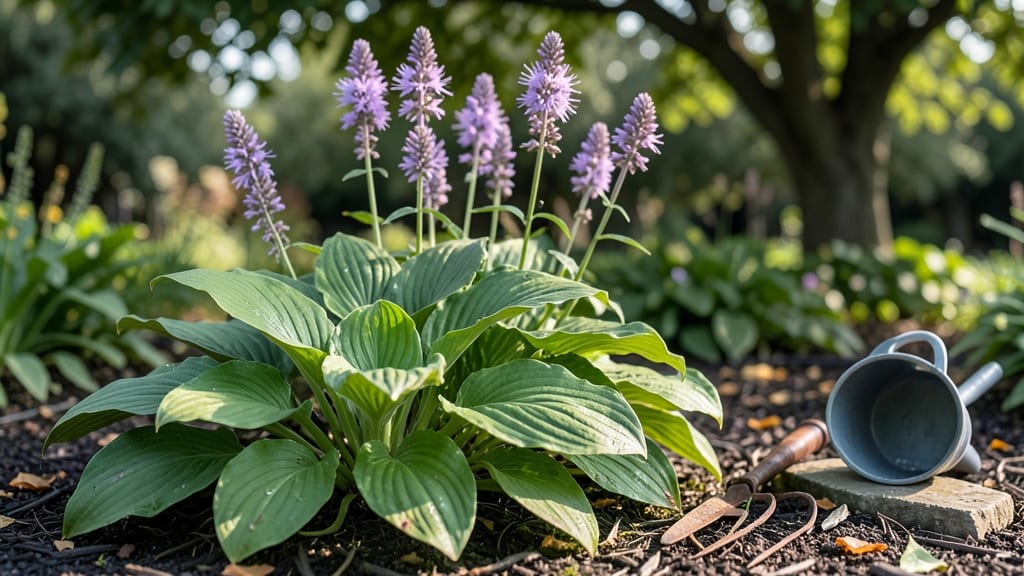
Finding a green hosta with purple flowers instantly upgrades your shade garden from "fine" to "showstopper." ✨ The velvety foliage alone makes it a standout, but those lavender blooms in late summer?
Pure magic for any shady corner. I’ve used this variety to anchor borders, spill over container edges, and even create a moonlit garden effect when planted near white pebbles.
This hosta thrives where others struggle—deep shade, dry soil, even rocky spots. Pair it with ferns for soft texture or heuchera for contrasting leaf shapes.
The key is grouping at least three plants together so the purple flowers pop against the green backdrop, creating a cohesive look that feels intentional, not accidental.
By midsummer, you’ll have a lush carpet of foliage with tall flower spikes adding height and movement. The blooms attract pollinators, and the foliage stays vibrant even in winter’s chill. It’s the kind of plant that makes neighbors pause and ask, “What’s that?”—then spend 10 minutes admiring it with you.
Works in containers for patios, as a border for pathways, or even tucked into woodland gardens. The versatility is what makes it a go-to for designers and casual gardeners alike. Let’s talk placement and styling next!
📚 In This Guide
- What you need
- Instructions
- Tips and common mistakes
- Wrapping up and next steps
What you need
- ● Green hosta plants with purple flowers: 1–3 mature plants (depending on desired coverage)
- ● Look for varieties like Hosta 'Royal Standard' or Hosta 'Halcyon' for vibrant purple blooms
- ● Well-draining potting mix or garden soil: 5–10 gallons (for planting 1–3 plants)
- ● Amend with compost (2–3 cups per plant) for nutrient-rich soil
- ● Organic mulch: 3–5 inches (for moisture retention and weed suppression)
- ● Options: shredded bark, pine needles, or straw
- ● Garden trowel or shovel (for digging)
- ● Gloves (to protect hands from soil and sharp edges)
- ● Watering can or hose with a gentle spray nozzle
- ● Pruners (for trimming dead leaves or spent flowers)
- ● Measuring tape or ruler (to space plants 12–24 inches apart)
- ● Slow-release fertilizer (e.g., 10-10-10 or compost tea for a nutrient boost)
- ● Garden stakes or labels (to track varieties and planting dates)
- ● Slug bait or copper barriers (hostas are a slug magnet!)
- ● Shade cloth (if planting in hotter climates)
How to grow and maintain stunning green hostas with purple flowers
Here’s how to cultivate these showstopping perennials with bold foliage and vibrant blooms.
🌱 Step 1: Select the Right Location and Prepare the Soil
Choose a spot that gets partial to full shade—hostas thrive where they’re protected from harsh afternoon sun, which can scorch their leaves. I always test the area by placing a white board in the ground for a few hours; if it stays cool to the touch, it’s perfect. Hostas prefer moist, well-draining soil with a pH between 6.5 and 7.5—test your soil with a simple kit if you’re unsure.
Amend the soil with 2-3 inches of compost mixed into the top 12 inches of soil. Hostas are heavy feeders, so I also work in a slow-release granular fertilizer (like 10-10-10) at planting time. Avoid heavy clay or sandy soil—hostas hate extremes. If your soil drains too quickly, blend in peanut hull pellets to improve water retention.
🪴 Step 2: Plant Hostas at the Correct Depth and Spacing
Dig a hole twice as wide as the hosta’s root ball but only as deep as the top of the roots—planting too deep suffocates the crown and causes rot. Gently loosen the roots if they’re circling tightly in the pot. Place the plant in the hole and backfill with soil, pressing lightly to remove air pockets. For 4 plants, space them 2-3 feet apart—this gives their broad leaves room to spread and prevents overcrowding.
Water deeply right after planting to settle the soil and eliminate air gaps. You’ll see the soil surface darken slightly—that’s your signal the roots are making contact. Mulch with 2-3 inches of shredded bark around the base (but keep it 2 inches away from the crown) to retain moisture and suppress weeds. I always water again after mulching to help it settle.
☀️ Step 3: Water and Fertilize for Lush Foliage and Blooms
Hostas need consistent moisture—water 1-2 inches per week, more in extreme heat. I check by sticking my finger 2 inches into the soil; if it’s dry, it’s time to water. Overwatering is just as bad as underwatering, so avoid soggy soil. Purple-flowering varieties often produce more blooms when slightly underwatered in late summer, but don’t let the soil dry out completely.
Fertilize twice a year: once in early spring (when new growth appears) and again in mid-summer (when blooms fade). Use a balanced fertilizer (like 10-10-10) at half strength to avoid burning the roots. I also sprinkle a handful of worm castings around the base in spring for extra nutrients. Stop fertilizing in late summer to encourage dormancy.
✂️ Step 4: Prune and Divide for Long-Term Health
Deadhead spent flower stalks in late summer by cutting them back to the ground. This redirects the plant’s energy into next year’s foliage and blooms. I also remove any yellow or damaged leaves as they appear—this keeps the plant looking tidy and prevents disease. Hostas rarely need heavy pruning, but if a leaf gets torn, snip it off at the base with clean shears.
Divide hostas every 3-4 years in early spring or fall when the plant is dormant. Dig up the clump, separate it into sections with 3-5 leaves each, and replant immediately. This prevents overcrowding and rejuvenates growth. I always water divided plants deeply for the first week to help them establish.
⏰ Step 5: Protect and Prepare for Winter
Hostas are hardy and usually survive winter with little fuss, but purple-flowering varieties can benefit from a little extra care. In USDA Zones 3-5, mulch with an additional 2-3 inches of straw or leaves after the ground freezes to insulate the roots. In milder zones, a light mulch (1 inch) is enough. Remove the extra mulch in early spring before new growth appears.
Watch for slugs and snails in spring—they love tender hosta leaves. Set out beer traps (bury a shallow dish filled with beer) or use iron phosphate bait for organic control. If you see holes in the leaves, act fast—hostas recover quickly but slug damage can be unsightly. A strong spray of water in the evening also dislodges pests.
Tips & tricks for perfect green hostas with purple flowers
These simple yet game-changing tips will help your hostas thrive with vibrant foliage and stunning purple blooms all season long.
Soil Prep Secret: Before amending your soil with compost and fertilizer in Step 1, I like to add a handful of cocoa bean meal (optional) to the planting hole. This boosts the purple hues in the foliage and flowers—it’s like a natural dye! Mix it right into the soil when you’re backfilling. The 2-3 inches of compost mentioned in the instructions is perfect, but this extra step really intensifies those gorgeous colors.
Planting Depth Cue: In Step 2, when you’re planting your hostas, look for the crown (where the roots meet the stems). This should sit just level with or slightly above the soil line—never buried. I use a small stick as a marker to check depth before backfilling. If the crown sits too deep, it’ll rot; too high, and the plant may dry out. The 2-3 inches of mulch helps maintain this perfect level over time.
Watering Wisdom: The 1-2 inches of water per week in Step 3 is a great guideline, but I’ve found that watering deeply but less frequently encourages stronger root growth. Instead of daily light watering, try giving your hostas 1 inch of water every 3-4 days—this mimics natural rainfall patterns better. The 2-inch soil check is perfect for monitoring this. For purple-flowering varieties, you can reduce to 1 inch per week in late summer to promote more blooms.
Division Timing: When dividing your hostas every 3-4 years in Step 4, I recommend doing it on a cool, overcast day in early spring. This reduces stress on the plants compared to hot summer days. After dividing, I soak the roots in water mixed with a rooting hormone (optional) for 10 minutes before replanting—this gives them a head start. The first week of deep watering is crucial for helping them establish in their new homes.
Pro Tips for Green Hosta With Purple Flowers
- These simple yet game-changing tips will help your hostas thrive with vibrant foliage and stunning purple blooms all ...
- Soil Prep Secret: Before amending your soil with compost and fertilizer in Step 1, I like to add a handful of cocoa b...
- Planting Depth Cue: In Step 2, when you’re planting your hostas, look for the crown (where the roots meet the stems)....
Frequently asked questions
Got questions about green hostas with purple flowers? You’re not alone! Here are some of the most common queries—and their answers—to help you grow and enjoy these stunning plants with confidence.
What’s the best way to care for green hostas with purple flowers?
These hostas thrive in partial shade (3–6 hours of sunlight daily) and well-draining, moist soil. Water consistently, especially during dry spells, and mulch to retain moisture. Avoid soggy soil—root rot is a risk! Feed with a balanced fertilizer in spring for vibrant foliage and blooms.
When do green hostas with purple flowers bloom, and how long does it last?
Blooms typically appear in mid-to-late summer (July–August), with spikes of lavender-purple flowers rising above the lush foliage. The flowering period lasts 3–4 weeks, but the striking green leaves (often with subtle variegation) provide year-round interest.
Are there alternatives if I can’t find this specific hosta?
Yes! Try these similar options:
- Hosta ‘Halcyon’: Blue-green leaves with lavender blooms.
- Hosta ‘June’: Bold green foliage and purple flowers.
- Hosta ‘Patriot’: White-edged leaves with purple blooms.
Why aren’t my hosta flowers opening, or are they dying back?
Several factors could be at play:
- Too much shade: Ensure they get at least 3 hours of sunlight.
- Overwatering: Hostas hate soggy roots—improve drainage.
- Nutrient deficiency: Feed with a low-nitrogen fertilizer in early spring.
- Pests: Slugs and snails love hostas—use organic barriers or diatomaceous earth.
Can I grow green hostas with purple flowers in containers?
Choose a 12–18-inch pot with drainage holes and use a well-draining potting mix. Opt for larger varieties like ‘Francee’ or ‘Blue Angel’ for container growth. Place pots in partial shade and water regularly—containers dry out faster than garden beds.
Wrapping up and next steps
Adding a green hosta with purple flowers to your garden is a fantastic way to bring vibrant color and texture to your outdoor space. These stunning plants thrive with minimal fuss, offering lush foliage and breathtaking blooms that will leave your neighbors green with envy!
Whether you're a seasoned gardener or just starting out, this plant is a low-maintenance yet high-impact choice that will reward you with beauty year after year.
Ready to elevate your garden? Start by selecting the perfect spot—shady, moist, and well-drained—and watch your garden transform into a serene, eye-catching oasis. Happy planting! 🌿✨