
Shrubs
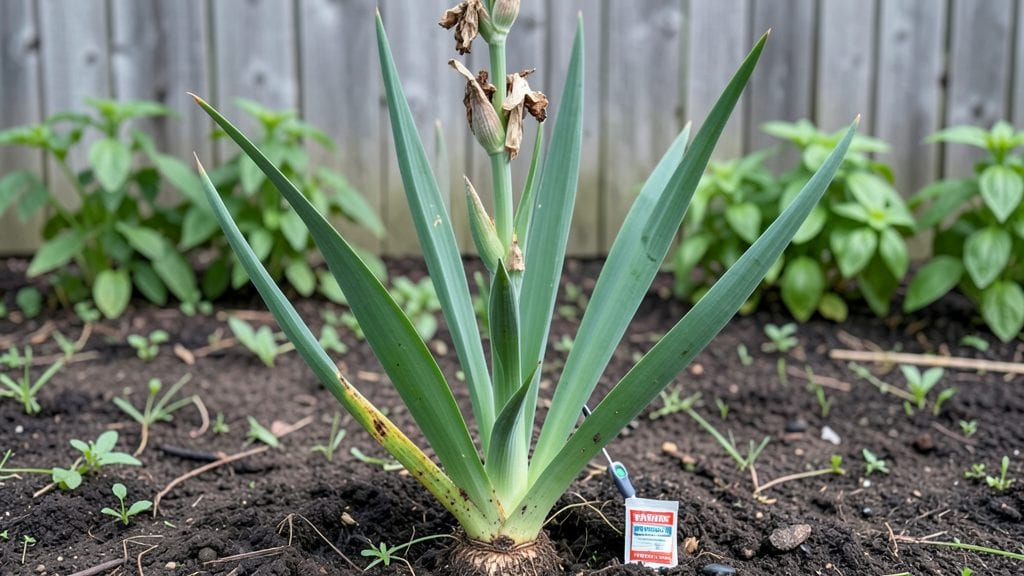
Gladioli not flowering when they should is one of the most frustrating garden mysteries—until you know the four key fixes that turn flops into showstoppers. 🌻 I’ve dug up clumps that looked healthy but refused to bloom, only to discover they were starving for sunlight or choked by last year’s growth.
The good news? Most cases come down to simple adjustments in light, space, or food.
First, check your gladioli’s light situation—these dramatic stalks need full sun (6+ hours daily) to trigger blooms. If they’re tucked under trees or shaded by taller plants, move them now. Next, dig into soil conditions: gladioli crave well-draining, slightly alkaline soil (pH 6.5-7.5).
Heavy clay or compacted earth strangles roots, while sandy soil leaches nutrients too fast. A quick soil test reveals the truth.
Overcrowding is another silent bloom-killer. When corms get too cozy, they put energy into leaves instead of flowers. Divide clumps every 3-4 years in early spring, spacing new corms 4-6 inches apart and 6 inches deep.
Feed them too—gladioli are heavy feeders. A balanced 10-10-10 fertilizer applied in early spring and again when stalks hit 12 inches tall works wonders.
With these fixes, you’ll see buds forming within 6-8 weeks. The secret weapon? Consistency. Gladioli reward patience—give them the right conditions, and they’ll reward you with 3-foot-tall spikes of bold color that last from midsummer through fall. Here’s how to diagnose and fix yours today.
Root Causes Behind Stubborn Gladioli
If your gladioli are refusing to bloom, the issue often traces back to a few key factors—each rooted in their biological needs. Understanding these causes is the first step to coaxing vibrant flowers from your stalks.
Let’s break down the science behind why your gladioli might be playing hard to bloom.
Gladioli (Gladiolus spp.) are sun-loving plants that thrive in full sunlight (6–8 hours daily). When deprived of adequate light, they prioritize leafy growth over flowering to maximize energy capture. This is a survival mechanism: in low light, the plant’s photoperiodism (light-sensitive response) triggers vegetative growth instead of flowering.
- 🔍 Signs: Tall, lanky stalks with sparse, pale leaves and no flower buds.
- 💡 Fix: Move plants to a sunnier spot or supplement with a grow light (12–14 hours/day). South-facing gardens or raised beds often work best.
- ⚠️ Pro Tip: If relocating, harden off plants gradually to avoid shock.
Gladioli are cool-season perennials that bloom best when grown in moderate temperatures (60–75°F / 15–24°C). Extreme heat or early planting can disrupt their flowering cycle. Here’s how temperature plays a role:
| Issue | Why It Happens | Solution |
|---|---|---|
| 🔥 Late Planting | Planting corms too late (after mid-summer) leaves insufficient time for root establishment before winter dormancy. | Plant corms in early spring (after frost risk) or late summer for fall blooms. |
| ❄️ Early Frost | Cold snaps damage emerging flower buds, halting bloom development. | Use frost cloth or mulch heavily in zones with harsh winters. |
| ☀️ Heat Stress | Temperatures above 85°F (30°C) cause bolting (premature flowering) or bud drop due to heat stress. | Provide afternoon shade in hot climates or water deeply to cool roots. |
Gladioli are heavy feeders, and their flowering depends on a precise balance of water, nitrogen, and phosphorus. Too much of one or too little of another throws their growth cycle off.
- 💧 Overwatering or Poor Drainage:
Soggy soil leads to root rot or fungal diseases (like Fusarium), starving the plant of nutrients. This forces energy into leaf production instead of flowers.
🔧 Fix: Ensure well-draining soil (amend with sand or perlite) and water only when the top 2 inches are dry.
- 🌿 Nitrogen Overload:
Excess nitrogen (from fertilizers like blood meal) promotes foliar growth at the expense of blooms. Gladioli need phosphorus (P) and potassium (K) for flowering.
💡 Fix: Use a balanced 10-10-10 or 5-10-10 fertilizer and avoid high-nitrogen lawn fertilizers.
- 🍽️ Nutrient Deficiencies:
Yellowing leaves (chlorosis) or stunted growth may signal low magnesium (Epsom salt helps) or boron (critical for corm development).
✨ Pro Tip: Test soil pH (ideal: 6.0–6.5) and amend with lime or sulfur as needed.
Gladioli corms are perennial, but they degrade over time. Overcrowding or using corms older than 2–3 years reduces flowering vigor. Here’s why:
- 🌰 Corm Depletion:
After flowering, corms store energy for the next season. If they’re too small (<1 inch diameter) or overworked, they lack the reserves to produce flowers.
- 🔄 Lack of Division:
Corms produce offsets (baby corms) that should be separated every 2–3 years. Overcrowding leads to competition for nutrients, stunting blooms.
- 🔧 Fix:
- Dig up corms after foliage dies back, discard soft/shriveled ones, and replant only firm, plump corms.
- Divide offsets in early spring and replant 4–6 inches deep, 6 inches apart.
Hidden threats like thrips, aphids, or corm rot fungi can divert a plant’s energy away from flowering. For example:
- 🐜 Thrips: These sap-sucking pests damage flower buds, causing them to distort or fail to open. They also spread tomato spotted wilt virus, which stunts growth.
- 🍄 Fungal Infections:
Botrytis blight (gray mold) or rust can rot flower spikes before they bloom. Wet foliage encourages these pathogens.
- 🛡️ Fix:
- Spray neem oil or insecticidal soap preventively at the first sign of pests.
- Remove infected foliage and space plants for airflow to prevent fungal spread.
- Rotate crops annually to break disease cycles.
Revive Your Gladioli’s Bloom
If your gladioli are standing tall but refusing to flower, don’t toss them just yet! With the right adjustments, you can coax those vibrant blooms back to life. Below, we’ve mapped out practical fixes for the most common causes—plus tips to keep your gladioli thriving for seasons to come.
If your gladioli are too crowded or shaded, they’ll focus energy on leaves instead of flowers. Here’s how to correct it:
🔥 Thin Out Crowded Clumps
Gladioli need 3–4 inches of space between each stalk to avoid competition. Use these steps:
- 👨🍳 Dig carefully around the base of the plant to loosen soil.
- 🔪 Snip or pull excess stalks at the base (leave the healthiest 3–5 per clump).
- 🌱 Replant extras in a separate spot with full sun.
Pro tip: 💡 If your garden is overplanted, consider relocating gladioli to a sunnier, less competitive area.
☀️ Ensure 6+ Hours of Sun Daily
Gladioli crave sunlight—move them to a spot with:
- ⏰ Morning sun (best for blooming).
- 🌡️ Avoid afternoon shade in hot climates (can stress plants).
- 🔄 Rotate containers if growing in pots for even light exposure.
Prevention: ✨ Plant gladioli in south-facing beds or raised gardens for optimal light.
Drought or soggy soil throws off flowering. Balance moisture and nutrients with these tweaks:
🍳 Water Deeply, Not Frequently
Gladioli need consistent moisture but hate waterlogged roots. Follow this schedule:
- 💧 Water at the base (avoid wetting leaves to prevent disease).
- ⏰ 1–1.5 inches per week (adjust for rain).
- 🌱 Check soil: Stick your finger 2 inches down—water if dry.
Pro tip: 🌡️ In hot weather, water early morning to reduce evaporation.
📊 Feed for Blooms, Not Leaves
Use a balanced fertilizer (like 10-10-10) or one high in phosphorus (e.g., 5-10-5) to encourage flowers. Apply in stages:
| When | What to Do |
|---|---|
| 🌱 Early spring | Light feeding (½ strength) when shoots emerge. |
| 🌿 Mid-season | Apply fertilizer when stalks reach 6 inches tall. |
| ✨ Avoid overdoing it | Too much nitrogen = lush leaves, no flowers! |
Prevention: 💪 Test soil every 2–3 years—gladioli prefer well-draining, slightly acidic soil (pH 6.0–7.0).
Gladioli “talk back” to pruning—do it right to trigger more flowers!
🔪 Deadhead Spent Blooms
Removing faded flowers redirects energy to new buds. Here’s how:
- 🌸 Snip off the entire flower spike just above the lowest open bloom.
- 🌱 Leave lower buds—they’ll develop into new flowers.
- ⏰ Do this weekly during the blooming season.
🌿 Prune Leggy Stalks
If stalks are too tall or floppy, prune them back by ⅓ to encourage bushier growth and more flowers.
Prevention: ✨ Stake tall varieties early to avoid bending under bloom weight.
Gladioli are seasonal divas. Plant them wrong, and they’ll sulk. Adjust timing and protect them from extremes.
📅 Plant at the Right Time
For summer blooms, plant corms in:
- 🌱 Early spring (2–3 weeks before last frost).
- 🌡️ In warm climates, plant in fall for winter/spring blooms.
Pro tip: 💡 Soak corms in water for 12 hours before planting to jumpstart growth.
🛡️ Protect from Heat & Cold Stress
Extreme temps can shock gladioli into skipping flowers. Try these:
- 🌡️ Mulch heavily in winter to insulate roots.
- ☀️ Use shade cloth (30–50%) in scorching summers.
- 💧 Water deeply before heatwaves to help roots cope.
Prevention: 🎯 Choose heat-tolerant varieties (e.g., ‘Green Star’ or ‘Picasso’) for hot climates.
With these fixes, your gladioli should burst into bloom in no time. 🌸 The key? Patience—gladioli often take 60–90 days from planting to flowering, so give them the care they deserve! For extra insurance, dig up and divide corms every 3–4 years to rejuvenate growth.
Frequently asked questions
Why do my gladioli grow tall leaves but never produce flowers?
This usually happens when they lack sufficient sunlight (6+ hours daily) or nutrients. Gladioli prioritize leaf growth in low light or when overcrowded. Check their location—move them to a sunnier spot or thin out competing plants. Also, ensure they're getting a balanced fertilizer (like 10-10-10) rather than just nitrogen-heavy feed.
Can I still get flowers if I planted gladioli too late in the season?
Late planting often prevents blooming because the corms need 60-90 days to mature before flowering. If you planted after early summer, you may only get foliage. For next year, aim for early spring planting (2-3 weeks before last frost) or late summer for fall blooms. Soak corms in water for 12 hours before planting to help jumpstart growth.
How do I know if my gladioli corms are too old to flower?
Corms older than 2-3 years often struggle to produce flowers because they've depleted their energy reserves. Look for small (<1 inch diameter) or shriveled corms—these are past their prime. Dig up and divide your clumps in early spring, keeping only firm, plump corms and replanting the offsets. This rejuvenates growth and encourages better blooming.
Will deadheading spent blooms actually make more flowers appear?
Deadheading (removing faded blooms just above the lowest open flower) redirects the plant's energy to produce new buds. Do this weekly during the blooming season, and you'll often see a second flush of flowers. Just avoid cutting back too aggressively—leave at least 3-5 healthy stalks per clump.
What should I do if my gladioli leaves turn yellow?
Yellowing leaves (chlorosis) usually signals either overwatering or a nutrient deficiency. First, check your soil—gladioli need well-draining soil. If the soil stays soggy, improve drainage with sand or perlite. For nutrient issues, test your soil pH (ideal: 6.0-7.0) and amend with Epsom salt (for magnesium) or a balanced fertilizer. Avoid high-nitrogen feeds, which promote leaves over flowers.