Blooming
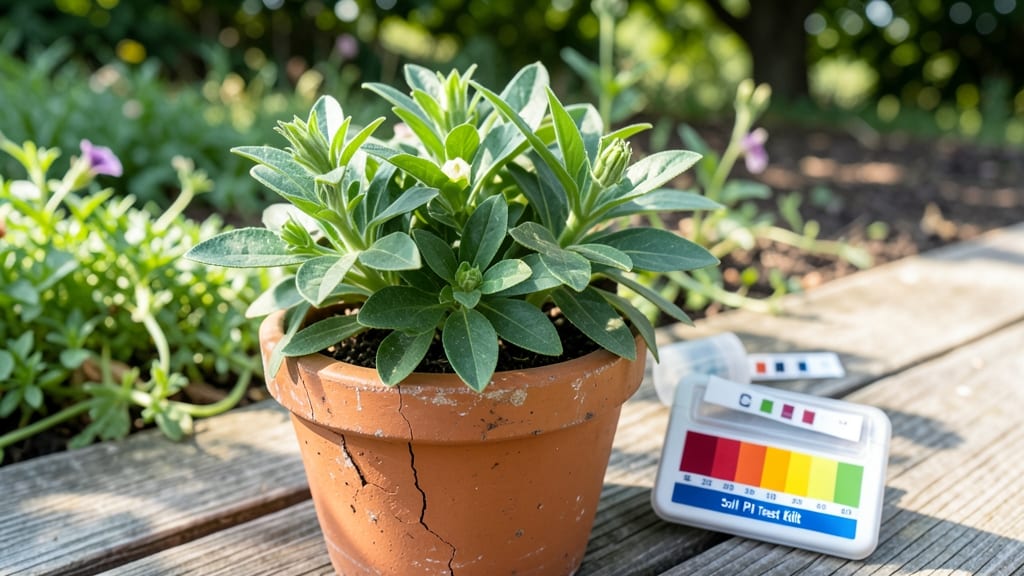
Your flowers not blooming this season?
I’ve stared at lush green leaves and zero blossoms more times than I’d like to admit—until I discovered the three overlooked factors that turn foliage into flowers. 🌿 The problem usually boils down to sunlight, nutrients, or timing, and the fixes are simpler than you’d think.
Most gardeners overlook how much light their plants actually need—six hours of direct sun is the minimum for most bloomers, but many varieties crave eight or more. Then there’s the fertilizer mystery: too much nitrogen fuels leaves, while phosphorus and potassium are the real bloom boosters.
And don’t even get me started on pruning—cutting at the wrong time can delay flowers for months.
Within weeks of adjusting these three things, my petunias exploded with color, my roses doubled their blooms, and even my finicky geraniums cooperated. You’ll see the first signs of change in as little as 10-14 days, with full transformation by the next growth cycle.
The key is acting now, before the season slips away.
Works for annuals, perennials, and even stubborn houseplants like African violets. Let’s get those buds popping—here’s exactly what to do, step by step.
The Hidden Triggers Stalling Blooms
When your flowers refuse to bloom, it’s often a silent cry for help—your plants are telling you something’s off, but the clues aren’t always obvious. 🌱🔍 Understanding the root causes (literally and figuratively) is the first step to reviving their flowering potential.
Below, we break down the science-backed reasons why blooms stay stubbornly absent, from environmental missteps to nutritional deficits. Each factor plays a role, and addressing them can turn your lackluster plants into a vibrant display.
Light is the primary energy source for photosynthesis, but too little (or the wrong type) can halt bloom production. Most flowering plants—like impatiens, petunias, and roses—require 6 to 8 hours of direct sunlight daily.
Without it, they prioritize leaf growth over flowers, a survival tactic that leaves you with lush foliage but no blooms.
- Why it happens: Low light triggers ethylene production, a plant hormone that promotes leaf expansion at the expense of flowering. Additionally, insufficient light reduces carbohydrate reserves, which are essential for bud formation.
- Actionable fix:
- Move plants to a south- or west-facing window (or use grow lights for indoor setups).
- Rotate pots weekly to ensure even light distribution and prevent lopsided growth.
- For shade-loving plants (e.g., ferns, calatheas), filtered light is key—avoid harsh direct sun.
Flowers are seasonal performers, and their blooming cycles are tightly linked to temperature cues. Too much heat or cold can disrupt their internal clocks, delaying—or even preventing—flowering.
- Why it happens:
- Cold-sensitive plants (e.g., geraniums, begonias) need consistent warmth (65–75°F). Dropping below 50°F can shock them into dormancy.
- Cool-season bloomers (e.g., pansies, snapdragons) require cooler temps (50–65°F) to trigger flowering. Heatwaves can stall buds.
- Day-length sensitivity: Some plants (like poinsettias) need short daylight hours (under 12 hours) to bloom. Artificial light can disrupt this.
- Actionable fix:
- Group plants with similar temperature needs together to create microclimates.
- Use row covers or move potted plants indoors during temperature swings.
- For day-length-sensitive plants, cover them with a blackout cloth for 14 hours daily to simulate shorter days.
Water stress—whether from drought or soggy soil—can shut down flowering as plants redirect energy to survival. The key is consistency, not excess.
- Why it happens:
- Underwatering: Causes abscisic acid (a stress hormone) to spike, halting growth and flower production.
- Overwatering: Leads to root rot and nutrient leaching, starving plants of phosphorus and potassium—critical for blooms.
- Inconsistent moisture: Plants like hydrangeas and roses need evenly moist (not waterlogged) soil to set buds.
- Actionable fix:
- Check soil moisture 1 inch below the surface—if dry, water deeply until it drains from the bottom.
- Use well-draining pots with holes and a cactus/succulent mix for drought-prone plants.
- Mulch with organic matter (straw, bark) to retain moisture and regulate temperature.
Flowers are nutrient-hungry, and without the right balance, they’ll focus on leaves instead. The biggest culprits? Phosphorus (P) and Potassium (K)—the "bloom trio" (along with nitrogen).
| Nutrient | Role in Blooming | Deficiency Signs |
|---|---|---|
| Phosphorus (P) | Energy transfer for root and flower development | Purple-tinged leaves, stunted growth, no buds |
| Potassium (K) | Regulates water and nutrient uptake; strengthens stems | Yellowing leaf edges, weak stems, delayed blooming |
| Magnesium (Mg) | Chlorophyll production; supports photosynthesis | Yellow patches between leaf veins |
Why it happens: Most all-purpose fertilizers are heavy on nitrogen (leaf growth) but light on P/K. Over time, soil depletes these critical nutrients, especially in container gardens where nutrients wash out.
Actionable fix:
- Switch to a balanced bloom-boosting fertilizer (e.g., 5-10-10 or 10-20-20) during the growing season.
- Add bone meal or composted manure (high in P) to the soil in early spring.
- For container plants, fertilize every 4–6 weeks with a water-soluble bloom formula.
- Test your soil (DIY kits or lab tests) to identify specific deficiencies.
When roots have nowhere to grow or are drowning in compacted soil, your plant’s energy goes into escaping its pot—leaving no room for flowers.
- Why it happens:
- Root-bound plants: Circling roots strangle themselves, reducing water and nutrient absorption.
- Poor drainage: Clay or dense soil traps water, suffocating roots and blocking oxygen flow.
- Small pots: Restrict root expansion, limiting the plant’s ability to support blooms.
- Actionable fix:
- Check for root-bound plants by gently removing them from the pot. If roots circle tightly, repot into a container 2 inches larger with fresh soil.
- Amend heavy soil with perlite, sand, or coconut coir to improve aeration.
- Use pots with drainage holes and elevate them on saucers to prevent waterlogging.
Revive Your Dormant Blooms
If your flowers are refusing to bloom, don’t panic—there’s always a fix! The key is identifying the root cause and taking targeted action. Below, we’ve mapped out practical solutions for each common issue, along with prevention tips to keep your plants thriving. Let’s get those buds popping! 🌸✨
If your plant is struggling with light deprivation, it’s time to move it to a sunnier spot—or supplement with grow lights.
- 🔥 Move to a brighter location – Place your plant near a south- or west-facing window (for northern hemisphere gardens) where it gets at least 6–8 hours of sunlight daily.
If indoors, rotate the pot weekly for even growth. - 💡 Use grow lights – If natural light is insufficient, a full-spectrum LED grow light (12–16 hours/day) can mimic sunlight.
Place it 6–12 inches above the plant. - 🌡️ Adjust shade gradually – If your plant was previously in low light, transition it slowly to avoid shock. Start with 2–3 extra hours of light per day and monitor for stress.
💡 Pro Tip: Leafy greens (like pothos) tolerate lower light, but bloomers like roses, hibiscus, or orchids need bright, direct light to trigger flowering.
Too much or too little water can stunt blooms. Let’s diagnose and correct the moisture issue.
| Issue | Fix | Prevention Tip |
|---|---|---|
| 🌧️ Overwatering | Let the top 1–2 inches of soil dry out before watering. Use pots with drainage holes and a cache pot underneath to catch excess water. | Use a moisture meter or the "finger test" (stick your finger 1 inch into the soil). |
| 🏜️ Underwatering | Water deeply until it drains from the bottom, then wait 2–3 days before watering again. Group plants together to retain humidity. | Mulch the soil with organic matter (like bark or straw) to slow evaporation. |
💡 Pro Tip: Yellowing leaves + soggy soil = overwatering. Crispy edges + dry soil = underwatering. Adjust based on your plant’s needs!
Flowering plants often need specific temperature and humidity levels to set buds. Let’s tweak the environment.
- ❄️ Too Cold? – Move potted plants indoors or to a sheltered spot if temps drop below 50°F (10°C).
Some tropical bloomers (like orchids) need 60–80°F (15–27°C). - ☀️ Too Hot? – Provide afternoon shade (especially for succulents or desert plants) and increase airflow with a small fan. - 💦 Low Humidity? – Mist leaves daily (for tropical plants) or use a pebble tray with water under the pot.
Group plants together to raise humidity naturally.
💡 Pro Tip: Some plants (like poinsettias) need a cool nighttime drop (below 60°F/15°C) to trigger blooming—try moving them to a cooler room at night.
If your plant is hungry, it won’t waste energy on blooms. Let’s fertilize smartly!
- 🌿 Use a bloom-boosting fertilizer – Switch to a balanced fertilizer (10-10-10 or 20-20-20) or one higher in phosphorus (5-10-5) to encourage flowers.
Apply every 4–6 weeks during growing season (spring–fall). - 🥄 Organic alternatives – Mix compost, worm castings, or fish emulsion into the soil for a slow-release nutrient boost. - ☀️ Feed at the right time – Fertilize in the morning to avoid burning roots.
Stop fertilizing 6–8 weeks before winter to let plants rest.
💡 Pro Tip: Over-fertilizing causes leafy growth but no flowers. Follow package instructions and flush soil every 3 months with water to prevent salt buildup.
If roots are circling or the pot is too small, your plant won’t focus on blooming.
- 🔄 Repot if needed – Check for roots growing in circles or poking out of drainage holes.
If so, upgrade to a pot 1–2 inches larger with fresh potting mix. - 🌿 Prune crowded roots – Gently tease out tangled roots before repotting to encourage outward growth. - 🪴 Choose the right pot – Terracotta pots dry faster (good for succulents), while plastic pots retain moisture (better for tropicals).
💡 Pro Tip: Some plants (like bonsai) thrive in small pots—research your specific plant’s needs before repotting.
With these fixes, your flowers should start showing signs of life within 2–6 weeks. Keep an eye on progress and adjust as needed. Happy gardening! 🌺🌿
Frequently asked questions
Why do my houseplants have lots of leaves but no flowers?
Most houseplants prioritize leaf growth over blooms when they're happy and healthy. The extra foliage means they're getting enough light and nutrients, but they need specific triggers like 12+ hours of darkness daily (for plants like poinsettias) or cooler nighttime temps to start producing flower buds. Try moving them to a cooler spot at night or adjusting their light cycle.
Can I force flowers to bloom out of season?
Yes, but it requires some tricks! For seasonal bloomers, try light manipulation (like using blackout cloths for 14 hours/day) or temperature shifts (moving plants to 50-60°F at night). Some plants respond to pruning—cutting back leggy growth can encourage new buds. Just be patient; it may take 4-8 weeks to see results.
What should I do if my outdoor flowers bloomed once but now just have leaves?
This usually means they've finished their natural bloom cycle or are stressed. For perennials, deadhead spent blooms to redirect energy to roots. If it's a seasonal plant, it might be going dormant—give it consistent water and balanced fertilizer (like 10-10-10) to encourage next season's blooms.
Is it too late to fix my flowers this season?
Not at all! Even late in the season, you can still see blooms by adjusting care. Focus on water consistency, pruning dead growth, and adding a phosphorus-rich fertilizer (like bone meal). If you're in a warm climate, some plants may even reward you with a second flush of flowers if conditions are right.
Why do some flowers bloom better in pots than in the ground?
Container plants often bloom more because they're easier to control! Pots allow perfect drainage (no soggy roots), and you can move them to ideal sunlight spots. Plus, container soil mixes are usually richer in nutrients than garden soil. The key is using well-draining potting mix and fertilizing every 4-6 weeks during growing season.