
Shrubs
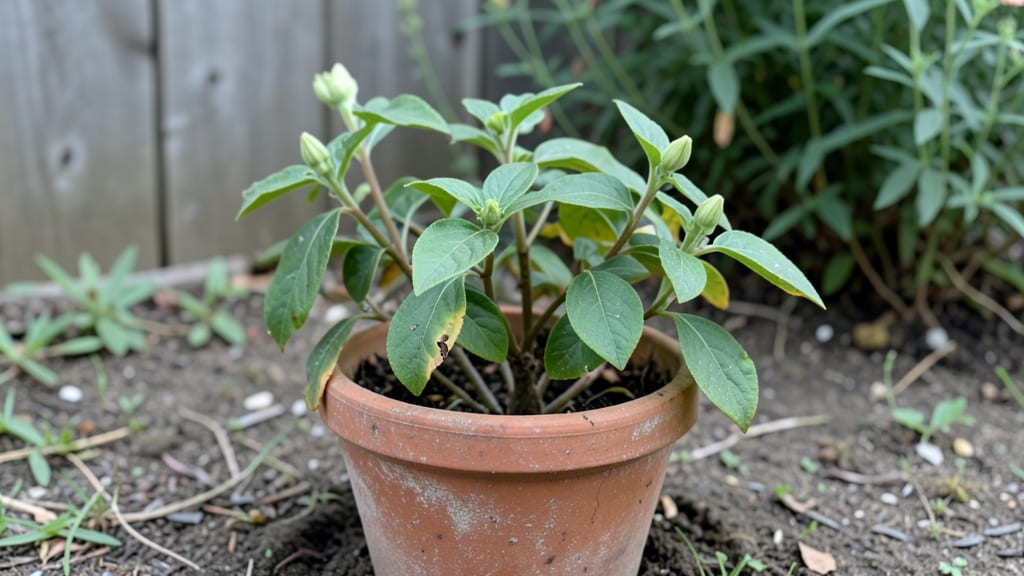
Fuchsias not flowering can feel like watching a beautiful plant withhold its best gift—those cascading blooms. 🌸 I’ve nursed back more fuchsias than I’d like to admit, and the fixes always come down to light, food, and timing. The good news? Most issues are reversible with a few targeted adjustments.
Here’s the thing—fuchsias bloom best when they get 6+ hours of morning sun and cooler evening temps. Too much afternoon heat or shade sends them into leafy overdrive, skipping flowers entirely.
Over-fertilizing with nitrogen also starves them of the phosphorus they need for blooms, while improper pruning cuts off next year’s flower buds. The solution? Start with sunlight, then dial back the fertilizer and prune strategically.
Within 4-6 weeks of adjusting care, you’ll see new buds forming at the tips of stems. The secret is consistency: keep soil moist (not soggy), feed with a balanced bloom booster every 3-4 weeks, and prune right after flowering to shape for next season.
Even my most stubborn fuchsias respond when I follow this routine.
Works for both hanging baskets and garden beds, and the fixes apply to all fuchsia types—trailing, upright, or standard. Let’s get those stems blooming again!
Why it happens
If your fuchsias are putting out lush leaves but stubbornly refusing to flower, don’t panic—there are usually clear reasons behind it. Understanding these causes is the first step to bringing back those vibrant blooms. Let’s break down the most common culprits and why they might be holding your fuchsias back.
🌡️ Insufficient Light Exposure
Fuchsias are light-loving plants, but they need the right kind of light—not too harsh, not too dim. When they don’t get enough sunlight (or the wrong spectrum), they prioritize leaf growth over flowering. Here’s why:
- Photosynthesis vs. Flowering Hormones: Low light triggers fuchsias to produce more chlorophyll for leafy growth, suppressing florigen, the hormone that signals flowering. Think of it like a plant’s "survival mode."
- Daylight Hours Matter: Fuchsias typically need 6–8 hours of indirect sunlight daily. Less than 4 hours? They’ll focus on foliage. Too much direct sun (especially in hot climates) can scorch leaves, stressing the plant further.
- Artificial Light Shortfalls: Grow lights often lack the red and blue spectrums critical for flowering. If you’re using LEDs, opt for full-spectrum bulbs (2700K–6500K).
Pro Tip: 💡 Move potted fuchsias to a bright, east- or north-facing window or use a sheer curtain to diffuse harsh afternoon sun. For indoor plants, rotate them weekly to ensure even light exposure.
🌱 Overcrowded Roots Or Poor Soil
Root-bound fuchsias or nutrient-poor soil can starve your plant of the energy needed for blooms. Here’s the science:
- Root Stress = No Flowers: When roots are cramped (e.g., in small pots), they can’t absorb enough water or nutrients, triggering a stress response that halts flowering. Think of it like a plant on a "diet"—it conserves energy for survival, not reproduction.
- Nitrogen Overload: Soil high in nitrogen (common in fresh garden soil or over-fertilized mixes) promotes leafy growth at the expense of flowers. Fuchsias need a balanced NPK ratio (e.g., 10-10-10 or 5-10-10) with more phosphorus (P) to encourage blooms.
- Poor Drainage: Waterlogged roots suffocate, preventing nutrient uptake. Fuchsias hate "wet feet" and may divert energy to repairing root damage instead of flowering.
Pro Tip: ✨ Repot root-bound fuchsias into containers 2–3 inches larger with a well-draining mix (e.g., 50% peat/coir, 30% perlite, 20% compost). For garden fuchsias, amend soil with compost and coarse sand to improve aeration.
⏰ Wrong Time Of Year Or Dormancy
Fuchsias are seasonal bloomers, and their flowering cycles are tied to daylight and temperature. Ignoring their natural rhythm is a surefire way to miss out on flowers.
- Daylength Sensitivity: Most fuchsias flower in response to shorter days (late summer/fall), especially varieties like Fuchsia magellanica. If you’re pruning or fertilizing at the wrong time, you might accidentally reset their blooming cues.
- Cold Requirements: Some fuchsias (e.g., hardy varieties) need a period of cool temperatures (50–60°F) to trigger bud formation. Indoor fuchsias kept in warm, consistent temps may never signal their flowers to open.
- Pruning Timing: Heavy pruning in late winter or early spring can delay flowering by removing potential bloom sites. Always prune after the last frost in your zone.
Pro Tip: 🌡️ If your fuchsias bloom in fall, reduce watering slightly in winter to mimic dormancy. For indoor plants, move them to a cooler spot (60–65°F) for 4–6 weeks to "reset" their cycle.
🍽️ Nutrient Imbalances Or Over-Fertilizing
Too much of a "good thing" can backfire. Fertilizer imbalances are a top reason fuchsias leaf out but refuse to flower.
- Phosphorus Deficiency: Phosphorus (P) is critical for flower and fruit development. A soil test showing low P (<50 ppm) means your fuchsias are starving for bloom triggers. Signs: Dark green leaves with purple stems.
- Potassium Shortages: Potassium (K) helps regulate water and nutrient uptake. Without it, flowers may form but abort early. Look for yellowing leaf edges or weak stems.
- Over-Fertilizing: Excess salts from fertilizers (especially synthetic ones) can burn roots, preventing nutrient absorption. This leads to leaf scorch and stunted growth.
Pro Tip: 📊 Use a balanced, water-soluble fertilizer (20-20-20) every 2–4 weeks during growing season, but reduce to half-strength in winter. For a phosphorus boost, add bone meal or rock phosphate to the soil.
🐛 Pests Or Diseases Weaking The Plant
Hidden pests or fungal infections can sap your fuchsias’ energy, leaving them too weak to produce flowers. Common culprits:
- Spider Mites & Aphids: These sap-suckers distort new growth and excrete honeydew, which attracts sooty mold—a fungal growth that blocks sunlight. Infested plants divert energy to repair damage.
- Root Rot (Phytophthora): Overwatering or poor drainage leads to this fungal infection, which decays roots and cuts off nutrient flow. Symptoms: Wilting despite moist soil and black, mushy roots.
- Bacterial Leaf Spot: Caused by Xanthomonas, this disease creates brown, crinkled leaves that fall off, reducing the plant’s ability to photosynthesize efficiently.
Pro Tip: 🔥 Inspect leaves daily for pests (use a magnifying glass). Treat mites with neem oil; for root rot, repot in fresh, sterile soil and avoid overwatering. Prune infected leaves immediately to prevent spread.
Revive Your Fuchsias With These Fixes
Now that you know the common culprits behind your fuchsias’ reluctance to bloom, let’s tackle each issue with actionable, garden-proof solutions. Whether it’s light, nutrients, or timing, these fixes will help coax those vibrant flowers back into action—plus, we’ll share ways to keep them thriving long-term.
If your fuchsias are tucked in too-shady spots, they’ll focus on leaf growth over flowers. Move them to bright, indirect light (morning sun or dappled shade) for at least 4–6 hours daily. For container plants, rotate pots weekly so all sides get equal light.
Prevention Tips:
- 💡 Monitor leaf color: Yellowing or pale leaves signal insufficient light.
- ⏰ Avoid harsh midday sun in hot climates—use sheer curtains or lattice for protection.
Too much nitrogen (common in lawn fertilizers) = lush leaves, zero flowers. Switch to a balanced bloom booster (like 10-10-10 or 5-10-5) or a phosphorus-rich formula (e.g., 7-9-5) to encourage flowering. Feed every 4–6 weeks during growing season (spring–fall).
Pro Tip:
- 🔥 Stop fertilizing in late summer to let plants rest before winter.
- 🌡️ Water before feeding to avoid root burn—especially with granular fertilizers.
Overgrown fuchsias waste energy on old stems. Cut back leggy growth in early spring or after flowering to stimulate new, flower-rich shoots. Remove:
- Dead or yellowing stems (🔪 snip at the base).
- Overcrowded branches to improve airflow.
Prevention Tips:
- 🎯 Pinch back tips of young plants to encourage bushier growth.
- ⏰ Avoid heavy pruning in fall—let plants store energy for winter.
Drought stress or soggy roots both stunt blooms. Water deeply 1–2 times weekly (check soil moisture—top 1 inch should dry out). For container plants, use well-draining pots and trays to prevent root rot.
Humidity Hack:
- 💧 Group fuchsias together or use a pebble tray with water to raise humidity (ideal: 50–70%).
- 🌿 Mulch with organic matter (like bark chips) to retain moisture.
Fuchsias need cool nights (50–60°F) and warm days (65–75°F) to trigger blooming. If your climate is too hot, provide afternoon shade or grow them in partial shade year-round. For winter bloomers (like Fuchsia magellanica), protect them from frost.
Seasonal Checklist:
| Season | Action | Why? |
|---|---|---|
| Spring | Prune + fertilize | Kickstart new growth. |
| Summer | Light pruning + consistent water | Prevent heat stress. |
| Fall | Reduce fertilizer | Prep for dormancy. |
| Winter | Move indoors (if frost-sensitive) | Protect from cold snaps. |
For continuous flowers, deadhead spent blooms (🌸 snip just above a leaf node) and feed lightly every 3–4 weeks. Some varieties (like Fuchsia ‘Giantess’) bloom nonstop with proper care!
Prevention Pro:
- ✨ Rotate pots occasionally to ensure even light exposure—fuchsias lean toward sunlight!
Remember: Patience is key—some fuchsias take 4–6 weeks to respond to changes. Track what works (or doesn’t) in a garden journal for next season! 📝
Frequently asked questions
Why are my fuchsias growing lots of leaves but no flowers?
Too much nitrogen fertilizer or insufficient light triggers leafy growth at the expense of blooms. Fuchsias need balanced fertilizer (like 10-10-10) and 6-8 hours of bright, indirect light daily to produce flowers. Switch to a bloom-specific formula and adjust their sunlight exposure.
Can I prune my fuchsias to encourage more flowers?
Yes! Prune leggy stems in early spring or after flowering to redirect energy to new growth. Cut back one-third of the plant and remove dead stems at the base. Avoid heavy pruning in fall—this can delay next year’s blooms.
What’s the best fertilizer for fuchsias that won’t bloom?
Use a phosphorus-rich fertilizer (like 5-10-5) every 4-6 weeks during growing season. Avoid high-nitrogen formulas, which promote leaves over flowers. For a quick boost, add bone meal to the soil to increase phosphorus levels.
How do I know if my fuchsias need more light?
Check for pale, yellowing leaves or stems growing toward light sources—both signs of insufficient light. Move them to a bright, east-facing window or use a grow light (2700K–6500K) for 12-14 hours daily. Rotate pots weekly for even growth.
Will overwatering prevent my fuchsias from flowering?
Yes! Soggy roots stress the plant, diverting energy away from blooms. Water only when the top inch of soil is dry and ensure pots have drainage holes. For container plants, use a well-draining mix (peat/perlite/compost) to prevent root rot.