
Trees
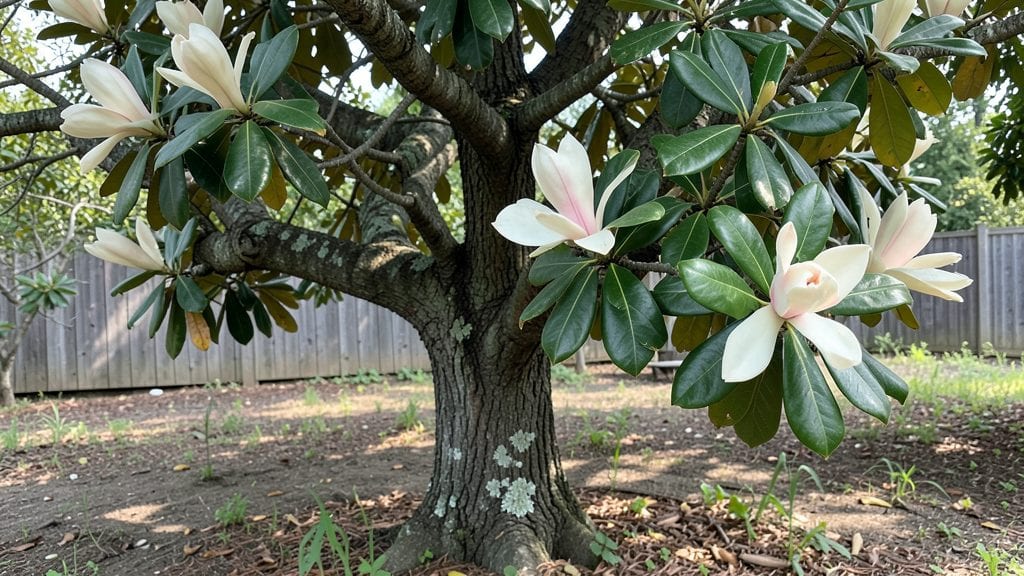
Fragrant flowering trees transform a garden into a living perfume bottle, where every breeze carries hints of vanilla, citrus, or spice. 🌸 I planted my first magnolia years ago after smelling one in a neighbor’s yard and instantly falling in love with that creamy, intoxicating scent—now it’s the centerpiece of my spring garden.
These trees don’t just look stunning with their velvety blooms; they create an experience, drawing pollinators while filling the air with fragrance that lingers long after the flowers fade.
The best varieties—like saucer magnolias for early spring perfume or star jasmine for evening sweetness—thrive in sunny spots with well-draining soil. You’ll find some bloom in late winter, others in summer, and a few even offer subtle winter interest with their bark or seed pods.
The key is matching the tree’s natural habitat to your climate: Southern gardeners might lean toward crape myrtles, while cooler regions shine with cherry blossoms or lilacs.
Imagine stepping into your yard and being greeted by a wave of sweetness that peaks at dawn or lingers into dusk. These trees aren’t just pretty—they’re the heart of your garden’s sensory story, attracting bees, butterflies, and hummingbirds while creating a peaceful retreat.
The right placement near patios or walkways turns every stroll into a fragrant journey.
Whether you’re designing a pollinator paradise or simply want to wake up to the scent of blossoms, these trees deliver year-round beauty with minimal fuss. Start with one that suits your space, and let the magic unfold—your garden will thank you for years to come.
📚 In This Guide
- What you need
- Instructions
- Tips and common mistakes
- Wrapping up and next steps
What you need
- ● Fragrant flowering tree saplings: 1–3 (species like Magnolia grandiflora, Crabapple, or Fringe Tree—choose based on climate and space).
- ● High-quality potting soil: 1–2 bags (well-draining, organic blend with compost).
- ● Shovel or trowel: 1 (for digging planting holes).
- ● Garden gloves: 1 pair (to protect your hands).
- ● Watering can or hose: 1 (with a gentle spray nozzle).
- ● Mulch (wood chips or bark): 1–2 bags (to retain moisture and suppress weeds).
- ● Pruning shears: 1 (for shaping and maintenance).
- ● Tree support stakes: 2–4 (if planting young or tall species).
- ● Slow-release fertilizer: 1–2 bags (for nutrient boosts).
- ● Drip irrigation system: 1 (for consistent watering).
- ● Pollinator-friendly companion plants: Seeds or small plants (like lavender or bee balm).
- ● Tree guard or barrier: 1 (to protect from pests or pets).
How to select and plant fragrant flowering trees for year-round beauty
Here's the straightforward approach I use to transform any yard into a fragrant paradise.
🌱 Step 1: Choose Trees That Fit Your Climate and Space
Start by selecting trees native to your USDA hardiness zone—this ensures they’ll thrive with minimal fuss. For example, sweet bay magnolia thrives in zones 7-10, while fraser fir (yes, it’s technically a tree!) loves zones 5-7. I always check the mature height and spread to avoid planting something that’ll outgrow its space in 10 years.
Look for trees with scented flowers or foliage—like jasmine for summer fragrance or cedar for year-round piney aroma. If you want pollinators, prioritize trees with open, accessible blooms (like serviceberry or dogwood) that bees and butterflies adore. I avoid hybrid varieties unless they’re specifically labeled as fragrant—many modern cultivars sacrifice scent for show.
🪴 Step 2: Prepare the Planting Site for Optimal Growth
Dig a hole twice as wide as the tree’s root ball but only as deep. This gives roots room to spread horizontally, which is how most trees establish themselves. Amend the native soil with 2-3 inches of compost mixed into the bottom and sides of the hole—this improves drainage and nutrient availability without overwhelming the roots.
I always test the soil’s moisture before planting. If it feels too dense or clay-heavy, add a 5-gallon bucket of perlite to the hole to improve aeration. Place the tree in the center, ensuring the root flare (where roots meet trunk) sits just above ground level. This prevents rot and encourages strong growth from the base.
☀️ Step 3: Plant at the Right Time for Seasonal Success
For most fragrant trees, early spring or fall are ideal—when soil is workable but not frozen. Avoid planting in summer heat (roots can’t establish) or winter frost (dormant trees stress easily). If you’re planting in containers, water them 24 hours before transplanting so roots stay hydrated during the move.
Backfill the hole with native soil, tamping gently every 6 inches to remove air pockets. I never use amended soil for backfilling—it can create a nutrient-rich layer that discourages roots from spreading outward. Water deeply until the soil 1 foot down feels moist, then add 3 inches of mulch (keeping it 6 inches away from the trunk to prevent rot).
💧 Step 4: Water and Maintain for Long-Term Fragrance
Water newly planted trees twice weekly for the first month, then taper to once weekly unless rainfall provides 1 inch of moisture. You’ll know they’re getting enough water when the soil 2 inches down feels damp but not soggy. Overwatering is the fastest way to kill a fragrant tree—it causes root rot before you even notice the scent fading.
Fertilize lightly in early spring with a balanced 10-10-10 formula (follow label rates for your tree’s size). I skip fall fertilization—trees need to harden off for winter, and extra nutrients can encourage tender new growth that won’t survive frost. Prune only to remove dead or crossing branches in late winter, never in summer when the tree is flowering.
⏰ Step 5: Extend the Fragrance Season with Strategic Care
To enjoy scent year-round, plant a mix of spring bloomers (like redbud), summer fragrancers (such as jasmine), and fall/winter evergreens (like cedar or pine). I also add dwarf varieties near patios so you can brush past blooms and release the aroma. For example, dwarf gardenia stays compact but packs a tropical punch.
Watch for pests like scale insects or aphids—they suck sap and weaken trees, reducing fragrance. I treat infestations with neem oil spray (mix 1 tablespoon per gallon of water) applied in early morning to avoid burning leaves. Always test a small branch first—some trees are sensitive to oils. With consistent care, your fragrant trees will reward you with scented blooms, lush foliage, and happy pollinators for decades.
Tips & tricks for perfect fragrant flowering trees
Here's what I've learned from planting dozens of fragrant trees—these little details make all the difference between a garden that smells amazing and one that just looks pretty.
Climate and Tree Pairing: Don't just pick a fragrant tree you like—match it to your specific USDA zone and microclimate. For example, sweet bay magnolia in zone 7 might struggle in zone 6, while fraser fir thrives in cooler zones. I always check the mature height too—nothing worse than a 50-foot tree in a 20-foot yard! Pro tip: Check local nursery recommendations or call your cooperative extension office for zone-specific advice.
Soil Prep Secret: The 2-3 inches of compost in Step 2 is non-negotiable, but here's the trick: mix it only into the bottom and sides of the hole, not the backfill. This creates a nutrient-rich zone that encourages roots to spread outward rather than staying compact. If your soil is particularly dense, add that 5-gallon bucket of perlite—it's worth the extra effort for better aeration, especially in clay-heavy soils.
Timing is Everything: That 24-hour pre-transplant watering for container trees is critical, but don't stop there. I also water the tree's root ball thoroughly the night before moving it. This ensures the roots stay hydrated during transplant shock. For bare-root trees, soak the roots in water for 1-2 hours before planting to revive them.
Fragrance Layering Strategy: To extend your scent season, plant trees in "layers" by bloom time. Start with early spring bloomers like redbud near seating areas, add summer fragrancers like jasmine along walkways, and finish with evergreens like cedar for winter aroma. I also place dwarf varieties near patios so you can brush past blooms—this releases the scent directly into your space. Think of it like a perfume spray but natural!
Pro Tips for Fragrant Flowering Trees
- Here's what I've learned from planting dozens of fragrant trees—these little details make all the difference between a garden that smells amazing and one that just looks pretty.
- Climate and Tree Pairing: Don't just pick a fragrant tree you like—match it to your specific USDA zone and microclimate.
- Soil Prep Secret: The 2-3 inches of compost in Step 2 is non-negotiable, but here's the trick: mix it only into the bottom and sides of the hole, not the backfill.
Frequently asked questions
Got questions about fragrant flowering trees?
You’re not alone! Here are answers to the most common queries to help you choose, plant, and enjoy these aromatic beauties with confidence.
1. What’s the best fragrant flowering tree for small yards or containers?
Opt for compact varieties like Fitzroya cupressoides (Chilean cedar) or Magnolia stellata (star magnolia), which thrive in containers. For small spaces, Cercis canadensis (eastern redbud) offers delicate blooms and fits well in tight areas. Just ensure your container has good drainage!
2. When is the ideal time to plant fragrant flowering trees?
The best times are early spring (after the last frost) or fall (6 weeks before the first frost). These windows give roots time to establish before extreme weather. Avoid planting in summer heat or winter freezes—both can stress young trees.
3. How do I attract more pollinators to my fragrant trees?
Pollinators love fragrant trees! Plant native species like Crataegus (hawthorn) or Tilia (lime tree) near your yard. Add pollinator-friendly companions such as lavender, coneflowers, or milkweed. Avoid pesticides, and provide a water source (like a shallow birdbath) to boost their visit frequency.
4. Why aren’t my fragrant trees blooming this year?
Common culprits include poor soil (amend with compost), over-pruning (blooms form on old wood—prune after flowering), or stress (check for pests/disease). Some trees (like Magnolias) need cold winters to bloom—if your climate is too warm, consider microclimate adjustments or mulching.
5. Can I grow fragrant trees in urban areas with pollution?
Tough varieties like Ginkgo biloba (maidenhair tree) or Platanus × acerifolia (London plane) tolerate city air. For extra resilience, choose drought-tolerant species like Cercis or Lagerstroemia (crape myrtle). Plant near a water source (like a rain garden) to help filter pollutants and keep roots hydrated.
Wrapping up and next steps
Fragrant flowering trees aren’t just a treat for the senses—they’re a gift to your garden, your home, and the pollinators that keep ecosystems thriving. 🌸 From the delicate blooms of Magnolia to the bold charm of Crabapple, these trees bring beauty, scent, and life to any space year after year.
Whether you’re a seasoned gardener or just starting your green thumb journey, planting one of these trees is a simple yet impactful way to elevate your outdoor haven.
Ready to take the next step? Start small: research the best varieties for your climate, sketch a planting plan, and reach out to local nurseries for expert advice. Your future garden—and the bees, butterflies, and birds—will thank you! 🐝✨