
Blooming
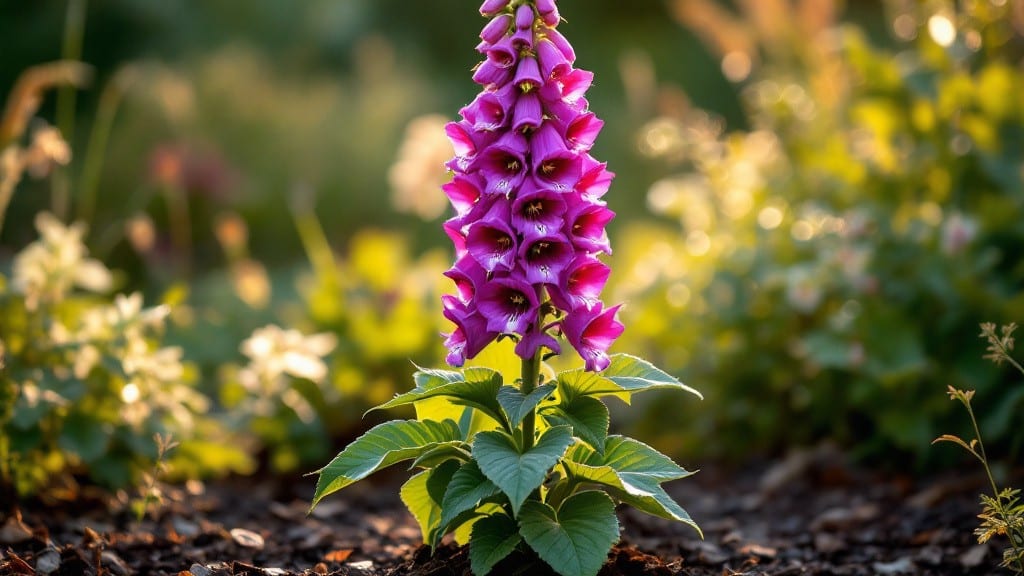
Foxglove flowering season peaks in June through August 🌸, when those iconic bell-shaped blooms transform your garden into a fairy-tale scene.
But here’s the catch: if you plant at the wrong time or miss key care steps, you might end up with leggy stems and zero flowers—something I’ve seen far too often in my own garden.
These striking plants thrive in USDA Zone 6a and beyond, but their bloom timing depends on when you plant them in spring. Get the window right (March–April after the last frost), and you’ll enjoy vibrant spikes for weeks. Miss it, and you’re stuck waiting another year.
Below, I’ll break down the exact months your foxgloves will bloom based on your region, plus the simple tricks—like deadheading and sunlight tweaks—to keep those flowers coming all summer.
You’ll also discover how to choose the best varieties for your climate and avoid the three biggest mistakes that kill blooms before they even start.
When do foxgloves bloom? Month-by-month flowering guide by region
Foxgloves (Digitalis purpurea) are like nature’s chimes, ringing in summer with their bell-shaped blooms that sway gently in the breeze. But their flowering season isn’t one-size-fits-all—it shifts dramatically depending on your USDA hardiness zone and local climate.
In cooler zones like 3-5, you’ll see early blooms as soon as late May, while warmer regions in zones 7-9 may not peak until July or August. Understanding these patterns helps you plan for the most stunning displays.
The key to predicting foxglove blooms lies in planting timing and climate cues. These biennials or short-lived perennials typically take 90-120 days from seed to flower, so sowing in early spring (after frost) or late summer sets the stage for next year’s blooms.
In my Zone 6a garden, I’ve found that planting seeds in April guarantees June-July flowers, while transplants from nurseries often bloom 4-6 weeks earlier. The earlier you plant, the sooner you’ll enjoy those fairy-tale spires.
| USDA Zone | Typical Bloom Start | Peak Bloom Month | Bloom Duration | Climate Notes |
|---|---|---|---|---|
| 3-4 | Late May | June-July | 6-8 weeks | Short growing season; plant early |
| 5-6 | Early June | June-August | 8-10 weeks | Ideal for long bloom periods |
| 7-8 | Mid-June | July-September | 10-12 weeks | Extended heat may shorten blooms |
| 9 | Late June | August-October | 8-10 weeks | Plant in partial shade |
In Zone 5 gardens, where I’ve experimented with different varieties, the ‘Pam’s Choice’ cultivar often blooms 2 weeks earlier than standard foxgloves, making it perfect for early summer color.
Meanwhile, in Zone 8’s heat, I’ve noticed that afternoon shade is critical—without it, blooms fade faster and stems become leggy. The Digitalis grandiflora (yellow foxglove) tends to handle heat better than the classic purple varieties, which is a game-changer for southern gardeners.
Your local microclimate plays a surprising role too. Foxgloves planted near water features or in morning sun with afternoon shade will bloom 1-2 weeks earlier than those in full sun. I’ve even seen urban heat islands delay blooms by 3 weeks if the soil stays too dry.
To combat this, I always mulch heavily with compost and water deeply in the morning to keep roots cool and hydrated.
If you’re planting foxgloves for fall color, focus on late-summer sowing. Seeds planted in August in Zones 6-9 will often produce October-November blooms, extending your garden’s season.
This trick works especially well with ‘Excelsior’, a variety known for its long, sturdy spikes that hold up in cooler weather. Just be prepared to protect them from early frosts with row covers or by moving pots indoors.
One common mistake I see is assuming all foxgloves bloom at the same time. In reality, each spike produces flowers sequentially, starting at the bottom and moving upward. This means you’ll enjoy 3-4 weeks of blooms per spike if you deadhead spent flowers regularly.
I like to snip off faded blooms every 7-10 days to encourage new buds lower on the stem. This simple trick can double your bloom time and keep your foxgloves looking fresh well into late summer.
For gardeners in cooler climates (Zones 3-4), timing is everything. Plant seeds indoors in March and transplant outdoors after last frost to ensure blooms by mid-June.
In these regions, foxgloves often act as short-lived perennials, reblooming lightly the following year if given well-draining soil and consistent moisture. I’ve had success in my Zone 4 garden by treating them like annuals—planting fresh seeds each spring for reliable blooms.
In warmer zones (7-9), where
How to extend foxglove blooms: pruning, deadheading, and seasonal care
Foxgloves are like nature’s fairy-tale sentinels, but their flowering season can feel disappointingly short if you don’t extend it properly. The key to keeping those bell-shaped blooms appearing longer lies in pruning techniques and seasonal care.
Many gardeners miss the mark by over-pruning or neglecting deadheading, which leads to weaker stems and fewer flowers the following year.
With the right approach, you can transform a 6-week bloom cycle into a 3-month floral display. The secret? Timing—knowing when to trim, how to feed your plants, and when to let them rest.
Let’s dive into the step-by-step methods that will keep your foxgloves thriving from early summer to fall.
Step-by-Step Guide to Extending Foxglove Blooms
- Step 1: Deadhead Regularly - Snip off spent flower spikes just above the next set of buds to redirect energy. Use clean, sharp pruning shears to avoid damaging the stem.
- Step 2: Prune After First Bloom - Once the primary flower spike fades, cut it back by one-third to encourage secondary blooms. This works best in late June to early July.
- Step 3: Fertilize Strategically - Apply a balanced 5-10-10 fertilizer in early spring and again after deadheading. Avoid over-fertilizing, which can lead to leafy growth over flowers.
- Step 4: Mulch for Moisture Retention - Spread 2-3 inches of organic mulch around the base to keep soil cool and moist. This prevents stress during hot summer months.
- Step 5: Water Deeply in Drought - During peak bloom season, water at the base of the plant in the early morning to prevent fungal issues. Aim for 1 inch of water per week.
- Step 6: Avoid Late-Season Pruning - Never prune after mid-August in colder climates, as new growth won’t harden off before first frost. Let the plant self-seed naturally for next year’s blooms.
One of the biggest mistakes gardeners make is over-pruning foxgloves, which weakens the root system and reduces next year’s blooms. I’ve seen beautiful purple foxglove spikes completely stripped of flowers because the gardener cut them back too aggressively.
Instead, focus on selective pruning—only removing what’s necessary to encourage new growth.
For reviving struggling foxgloves, check the soil pH (they prefer 6.0-7.0)) and ensure they’re in well-draining soil. If the leaves look yellow or wilted, it may be time to transplant them to a sunnier spot. Foxgloves are surprisingly resilient once their basic needs are met!
With these techniques, you’ll enjoy longer-lasting foxglove blooms and a garden that feels like a enchanted forest all season long. The effort is minimal, but the payoff—towering spikes of color—is magical. 🌸