
Shrubs
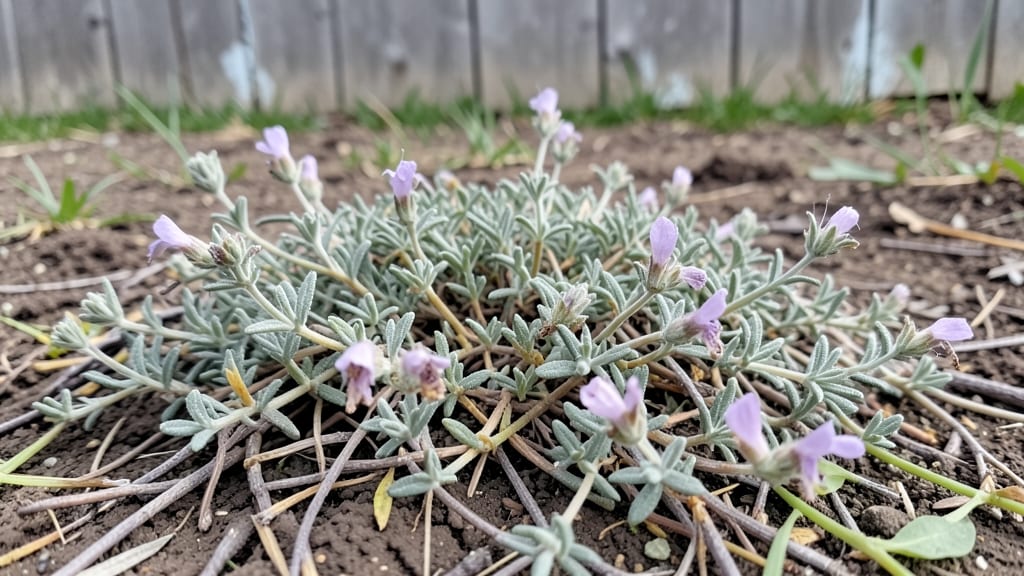
Edible flowering thyme turns your garden into a dual-purpose powerhouse—fragrant blooms for pollinators and flavorful leaves for your kitchen. 🌿 I’ve grown it for years, and once you try the delicate pink flowers in salads or the piney leaves in teas, you’ll never buy it again.
The key is treating it like the low-maintenance workhorse it is.
This hardy perennial thrives in poor soil and full sun, making it perfect for rock gardens, container edges, or even cracks in pavement. Water it lightly—too much moisture rots the roots—and you’ll get year-round harvests with minimal effort.
The flowers attract bees while adding a subtle licorice note to dishes, and the leaves stay flavorful even after frost.
By mid-summer, your thyme will be covered in tiny blossoms that double as garnishes or infused oils. Pinch back leggy growth in spring to encourage bushiness, and harvest leaves anytime by snipping stems just above a leaf node. The more you use it, the more it grows.
Works alongside rosemary, lavender, and oregano for a fragrant border, or tuck it into vegetable beds to deter pests. Once established, it’s nearly indestructible—ideal for busy gardeners who want beauty and flavor without the fuss.
📚 In This Guide
- What you need
- Instructions
- Tips and common mistakes
- Wrapping up and next steps
What you need
- ● Flowering thyme seeds or nursery plants: Seeds: 1–2 packets (50–100 seeds each) for direct sowing.
- ● Nursery plants: 3–5 plants (6-inch pots) for faster growth.
- ● Well-draining soil: Mix equal parts potting soil and perlite/sand (or use a cactus/succulent blend).
- ● Containers or garden space: Containers: 6–12-inch pots (with drainage holes) for 1–2 plants each.
- ● Garden beds: Full sun (6+ hours/day) and rocky/well-drained soil.
- ● Organic fertilizer: Slow-release granular (e.g., 10-10-10) or liquid seaweed fertilizer.
- ○ Mulch (optional): Gravel or coarse sand to retain moisture and deter weeds.
- ● Hand trowel or small shovel
- ● Watering can with a fine rose nozzle
- ● Pruning shears (for harvesting/shaping)
- ● pH test kit (ideal soil pH: 6.0–7.0)
- ○ Optional: Trellis or small stakes (if growing upright varieties).
How to grow edible flowering thyme for year-round harvests
This hardy perennial thrives with minimal fuss—here's how to coax fragrant blooms and tender leaves all season.
🌱 Step 1: Select the Right Variety and Planting Site
Choose French thyme (Thymus vulgaris) for its robust growth and strong flavor, or lemon thyme (Thymus citriodorus) for its citrusy aroma and delicate blooms. Both varieties produce edible flowers that attract pollinators while adding visual charm to dishes.
Thyme demands full sun—at least 6 hours daily—and well-draining soil. If your garden has heavy clay, amend with 2-3 inches of coarse sand or perlite per 12-inch square to improve drainage. I always plant mine on a slight mound to prevent waterlogging, which thyme despises.
🪴 Step 2: Plant Nursery Starts or Divide Established Clumps
For fastest results, plant 4-6 nursery starts spaced 12-18 inches apart in early spring after the last frost. Dig holes twice as wide as the root ball but no deeper—thyme roots are shallow and resent being buried too deeply. Gently loosen the roots if they’re circling tightly in the pot.
If dividing an established clump, cut a 4-inch section of healthy stems with roots attached. Plant immediately in prepared soil, water deeply, and mulch lightly with 1 inch of gravel to keep moisture away from the crown. Thyme hates soggy roots, so avoid organic mulch that retains moisture.
☀️ Step 3: Water Deeply and Establish a Maintenance Routine
Water once weekly during the first growing season, allowing the soil to dry completely between waterings. You’ll know it’s time when the top 2 inches feel dry to the touch. Overwatering causes root rot, and thyme is far more drought-tolerant than most herbs.
Once established, thyme needs very little care. Fertilize lightly in early spring with ½ teaspoon of balanced 10-10-10 fertilizer per plant, but skip fertilizing after mid-summer—it encourages leafy growth at the expense of fragrant flowers. Deadhead spent blooms to encourage continuous flowering.
✂️ Step 4: Harvest Flowers and Leaves for Culinary Use
Harvest individual flower clusters as they open, using clean scissors to snip stems just above a leaf node. This encourages bushier growth and prolongs the blooming season. For leaves, trim ⅓ of the plant’s height in early morning after dew has dried—this preserves the essential oils that give thyme its signature aroma.
Use flowers fresh in salads, garnishes, or infused oils, or dry them whole for winter use. To dry, tie small bundles with twine and hang upside down in a dark, well-ventilated space for 2-3 weeks. Store dried flowers in an airtight container away from light until ready to use.
⏰ Step 5: Overwinter and Prune for Next Year’s Growth
Thyme is evergreen in mild climates but may lose some leaves in winter. In Zone 5 or colder, mulch with 2 inches of straw after the first hard frost to insulate roots. Remove mulch in early spring once temperatures rise above 40°F to prevent rot.
Prune back one-third of the plant’s height in late winter or early spring before new growth begins. This removes woody stems and encourages fresh, tender shoots. Avoid heavy pruning in fall—thyme needs its foliage to protect it from winter dieback.
Tips & tricks for perfect flowering thyme cultivation
These practical insights will help you coax the most vibrant blooms and fragrant leaves from your thyme plants all year long.
Sunlight Secret: While the instructions specify 6 hours of full sun daily, I’ve found that thyme actually thrives with 8-10 hours in warmer climates—just watch for signs of stress like leaf scorch. Position your plants where they get morning sun and afternoon shade if temperatures exceed 90°F. The delicate lemon thyme varieties are particularly sensitive to afternoon heat.
Soil Strategy: The key to preventing waterlogging—thyme’s nemesis—is creating that slight elevation. I recommend building a 2-inch high mound when planting, especially in clay-heavy soils. For containers, use a mix of 60% potting soil and 40% perlite to ensure proper drainage. This mimics thyme’s natural Mediterranean habitat where it grows on rocky slopes.
Harvesting Technique: When harvesting those edible flowers in Step 4, focus on the youngest blooms that are just beginning to open. These contain the most essential oils and delicate flavors. For leaves, I’ve found that harvesting in the early morning after dew has dried preserves the maximum aroma—this is when the essential oils are at their peak concentration. Use sharp scissors to avoid damaging the plant.
Overwintering Insight: The 40°F threshold mentioned for removing mulch in spring is your cue that roots are ready to resume active growth. I’ve learned the hard way that removing mulch too early—before hitting this temperature—can expose tender new shoots to late frosts. For extra protection in Zone 5, consider adding a lightweight frost cloth over plants during unexpected cold snaps after mulching.
Pro Tips for Flowering Thyme Edible
- These practical insights will help you coax the most vibrant blooms and fragrant leaves from your thyme plants all year long.
- Sunlight Secret: While the instructions specify 6 hours of full sun daily, I’ve found that thyme actually thrives with 8-10 hours in warmer climates—just watch for signs of stress like leaf scorch.
- Soil Strategy: The key to preventing waterlogging—thyme’s nemesis—is creating that slight elevation.
Frequently asked questions
Got questions about growing or using flowering thyme?
Here are answers to the most common ones—so you can enjoy this fragrant, edible herb with confidence!
Is flowering thyme safe to eat?
Both the leaves and flowers of flowering thyme (Thymus serpyllum or Thymus vulgaris) are edible and packed with flavor. Just ensure it’s pesticide-free if harvesting from gardens. Avoid wild varieties unless you’re 100% certain of their identity—some lookalikes can be toxic.
When is the best time to harvest flowering thyme?
Harvest thyme leaves anytime the plant is actively growing, but peak flavor occurs just before flowering (early summer). For flowers, pick them when fully open for the most aromatic punch. Always snip stems above a leaf node to encourage bushier growth. Avoid harvesting more than 1/3 of the plant at once to prevent stress.
How can I use flowering thyme in cooking?
Use thyme flowers like you would dried leaves—sprinkle them over soups, stews, or roasted veggies for a delicate floral note. They’re also great in homemade vinegars, honey infusions, or as a garnish for grilled meats. Pro tip: Freeze flowers in ice cubes to preserve their flavor for later!
Will flowering thyme attract bees or pests?
Yes! Thyme flowers are a bee magnet—perfect for pollinator gardens. However, they’re generally pest-resistant. If you spot spider mites (common in dry conditions), mist the plant with water or introduce ladybugs. Overcrowding or poor drainage can invite fungal issues, so ensure 6+ inches of spacing and well-draining soil.
Can I grow flowering thyme indoors?
With the right setup, yes! Place thyme in a sunny south-facing window or under grow lights (6+ hours/day). Use a pot with drainage holes and a light, sandy potting mix. Prune regularly to control size, and expect slower growth indoors. Bonus: The scent alone will make your kitchen smell amazing!
Wrapping up and next steps
Discovering edible flowering thyme opens up a world of fragrant, versatile herbs that bring beauty and flavor to your garden—and your plate! 🌿 Whether you're a seasoned gardener or just starting, this hardy perennial makes year-round growing a breeze, offering both culinary delights and stunning blooms.
Ready to elevate your dishes and your garden? Start small—plant a few thyme sprigs in a sunny spot, harvest leaves and blossoms as needed, and enjoy the rewards of your green thumb!
Next steps:
- Grab some flowering thyme seeds or cuttings and plant them today!
- Experiment with thyme in recipes or as a garnish.