Shrubs
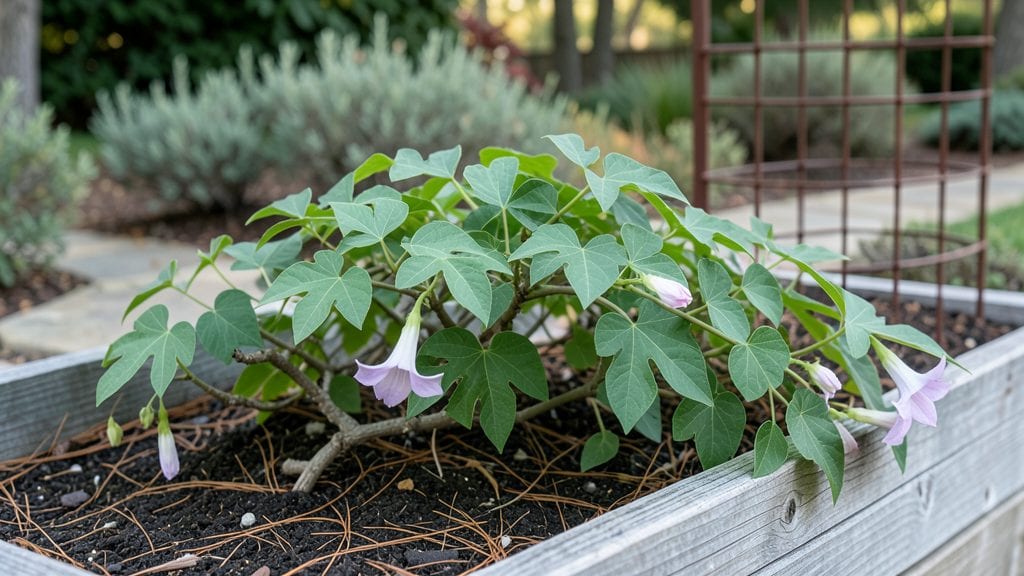
Growing flowering potato vine transforms any space into a fragrant, cascading paradise with its delicate white blooms and lush green foliage. 🌿 I’ve watched this vigorous climber turn boring fences and trellises into living tapestries—it’s the kind of plant that makes neighbors stop and ask, “What is that?”
The secret lies in its adaptability: it thrives in heat, tolerates poor soil, and keeps blooming from spring until frost, with a little care.
Start with a healthy vine—look for established plants with thick stems and buds already forming. Plant in well-draining soil (even sandy or rocky works) and choose a spot with at least 6 hours of sunlight daily, though it handles afternoon shade better than full shade.
The roots spread aggressively, so give it room or contain it in a large pot if needed. Water consistently but let the top inch dry between waterings—overwatering is the quickest way to kill it.
Once established, this vine is nearly indestructible. Prune back leggy growth in early spring to encourage bushier blooms, and trim dead flowers to keep the flowers coming. The real magic happens when it climbs—train it up a trellis, pergola, or even an old chair for a whimsical touch.
You’ll end up with a fragrant, shade-providing canopy that hummingbirds and bees adore, all while requiring minimal fuss.
Troubleshooting is simple: yellow leaves mean overwatering, while sparse blooms usually signal too much shade or nitrogen-heavy fertilizer. A light feeding with bloom-boosting fertilizer in spring and summer keeps it flowering like crazy.
And if pests appear? A strong spray of water usually sends them packing. This plant rewards patience with years of effortless beauty—once it’s happy, it’s happy to stay.
📚 In This Guide
- What you need
- Instructions
- Tips and common mistakes
- Wrapping up and next steps
What you need
- ● Flowering potato vine plants: 2–5 tubers or rooted cuttings (choose disease-resistant varieties like 'Margarita' or 'Tricolor' for vibrant blooms).
- ● Well-draining potting mix: 5–10 gallons (or a blend of 60% peat, 30% perlite, and 10% compost). Pro tip: Avoid heavy clay soil—it causes rot! 💡
- ● Containers or garden bed: For containers: 10–15" pots with drainage holes (1 plant per pot).
- ● For gardens: Full sun (6+ hours/day) and loose, fertile soil.
- ● Fertilizer: Balanced 10-10-10 or slow-release granular fertilizer (1 tbsp per plant at planting).
- ● Watering can or hose: With a gentle spray nozzle (overwatering is the #1 killer!).
- ○ Support structure (optional but recommended): Trellis, fence, or obelisk (6–8 ft tall for climbing varieties).
- ● Or a sturdy wire frame for bushier growth.
- ● Garden gloves (to protect from thorns on some varieties).
- ● Pruning shears (for trimming dead blooms or overgrowth).
- ● Mulch (2–3 inches of straw or shredded bark to retain moisture).
- ● Plant stakes or labels (to track varieties if growing multiple types).
- ○ Epsom salt (optional): 1 tbsp dissolved in water monthly for magnesium boosts (encourages blooms!). ✨
Step-by-step instructions for growing flowering potato vine
Here’s how to coax those stunning vines into your space with minimal fuss.
🌱 Step 1: Choose the Right Spot and Prepare the Soil
Flowering potato vine thrives in bright, indirect light—think east or west-facing windows, or under grow lights if indoors. Direct sun can scorch the delicate leaves, so avoid south-facing spots unless you’re providing afternoon shade. I like to place mine near a sheer curtain to filter harsh afternoon rays.
Use the well-draining potting mix to fill your 12-inch hanging basket or 10-inch pot (or divide among multiple containers for fuller coverage). This vine doesn’t like soggy roots, so if your mix feels dense, add a handful of perlite to improve aeration. Press the soil down lightly—just enough to remove air pockets but not compact it tightly.
🌿 Step 2: Plant Your Tubers Correctly
Flowering potato vine grows from tuberous roots, not seeds. Plant 2-3 tubers per 12-inch basket or 1 tuber per 10-inch pot, spacing them about 4 inches apart. Bury them 2 inches deep—any deeper, and they’ll struggle to sprout. I like to place them horizontally in the soil, which encourages multiple shoots to emerge.
Water gently right after planting, but don’t soak the soil. You want it moist but not waterlogged. Let the top inch dry out between waterings once growth starts—this prevents rot. Place your container in a warm spot (65-75°F) until you see green shoots appear in 2-4 weeks.
☀️ Step 3: Encourage Bushy Growth and Blooms
Once your vine reaches 6-8 inches tall, it’s time to pinch back the tips. This might sound counterintuitive, but snipping the topmost set of leaves forces the plant to branch out, creating a fuller, more vibrant display. Use clean pruning shears and cut just above a leaf node—this is where new growth will sprout.
Feed your vine every 4-6 weeks with balanced liquid fertilizer (10-10-10 ratio). I dilute it to half-strength to avoid burning the roots. Watch for tiny purple or white flowers—this is your cue that the plant is happy and ready for more blooms. Deadhead spent flowers by pinching them off at the base to encourage continuous blooming.
💧 Step 4: Water and Maintain for Long-Lasting Beauty
Water when the top inch of soil feels dry to the touch. This vine is drought-tolerant once established, but it rewards consistent moisture with lush, healthy growth. I water mine in the morning so the foliage has time to dry out—this prevents fungal issues like powdery mildew, which can ruin the showy leaves.
Rotate your container a quarter turn weekly to ensure even growth toward the light. You’ll notice one side leaning? That’s your plant telling you it needs to stretch toward the sun. If you’re growing indoors, supplement with a grow light for 12-14 hours daily to keep blooms coming year-round.
✂️ Step 5: Prune and Overwinter for Next Season
By late fall, your vine will slow down. Trim back any yellowed or leggy growth to keep the plant tidy. You can also propagate cuttings by placing healthy stems in water—they root easily and make great gifts! I like to keep one or two tubers in the pot over winter in a cool, bright spot (50-60°F). Reduce watering to just keeping the soil lightly moist.
In early spring, fertilize lightly and increase watering as new growth appears. Your tubers will multiply over time, so you can divide them every 2-3 years to refresh the plant. With minimal care, your flowering potato vine will reward you with vibrant trails and blooms for years to come.
Tips & tricks for growing lush flowering potato vine
Here's what I've learned to help your flowering potato vine thrive with minimal effort—and avoid common pitfalls that can leave you with sparse, underwhelming growth.
Lighting Secrets: While bright indirect light is ideal, I've found that morning sun is actually better than afternoon for these vines. Place your container near an east-facing window, or use a sheer curtain to diffuse harsh afternoon rays. If growing indoors without windows, a grow light on a timer for 12-14 hours daily works wonders—just keep it 6-12 inches above the plant to prevent leaf burn.
Planting Depth Matters: The 2-inch planting depth specified is critical—any deeper and your tubers won't sprout properly. I've had the best success planting them horizontally rather than vertically, which encourages multiple shoots to emerge from each tuber. This creates a fuller plant faster than planting them upright.
Watering Wisdom: The "top inch dry" rule is perfect, but here's the trick: use your finger to check moisture in the morning when the soil is coolest. If it feels damp deeper down, wait another day. I've ruined several plants by overwatering in the evening—moisture trapped in the soil overnight can lead to rot, especially in cooler temperatures.
Fertilizer Timing: The 4-6 week feeding schedule is spot-on, but I've learned to adjust based on growth speed. If your vine shows new growth within 3 weeks, hold off on fertilizing until the 6-week mark. Over-fertilizing can burn delicate roots, and you'll notice yellowing leaves or stunted growth if you're feeding too frequently.
Pro Tips for Flowering Potato Vine
- Here's what I've learned to help your flowering potato vine thrive with minimal effort—and avoid common pitfalls that can leave you with sparse, underwhelming growth.
- Lighting Secrets: While bright indirect light is ideal, I've found that morning sun is actually better than afternoon for these vines.
- Planting Depth Matters: The 2-inch planting depth specified is critical—any deeper and your tubers won't sprout properly.
Frequently asked questions
Got questions about growing flowering potato vine? You’re not alone! Here are some of the most common queries—plus quick, practical answers to keep your vines thriving.
How fast does flowering potato vine grow?
This vine is a fast grower! With ideal conditions (full sun, regular watering, and support), it can shoot up 10–15 feet in a single season. Prune regularly to manage sprawl and encourage bushier blooms. Pro tip: Start with a sturdy trellis or fence to avoid tangled vines!
When is the best time to plant flowering potato vine?
Plant after the last frost in spring (USDA Zones 9–11), once soil temps hit at least 60°F (15°C). In cooler zones (8 or below), treat it as an annual and plant in late spring. For year-round blooms, bring potted vines indoors before frost—just keep them near a bright window!
Why isn’t my flowering potato vine blooming?
Lack of blooms often stems from too much shade, over-fertilizing (especially with high nitrogen), or inconsistent watering. Move it to full sun (6+ hours/day), switch to a balanced bloom-boosting fertilizer, and water deeply but infrequently. Bonus: Deadhead spent flowers to encourage more blooms!
Is flowering potato vine toxic to pets or humans?
Yes! While its bright flowers are non-toxic, the tubers and leaves contain solanine—a compound toxic to dogs, cats, and horses if ingested in large amounts. Keep pets away from the plant, and never eat the tubers (they’re not edible like true potatoes).
What are some low-maintenance alternatives to flowering potato vine?
If you want easy, fast-growing vines with fewer hassles, try:
- Morning Glory – Annual, self-seeds, and thrives in poor soil.
- Sweet Pea – Fragrant, cold-hardy, and blooms all season.
- Honeysuckle – Perennial, attracts pollinators, and needs minimal pruning.
- Black-Eyed Susan Vine – Drought-tolerant and drought-resistant once established.
Can I grow flowering potato vine in containers?
Use a large pot (10+ gallons) with drainage holes and a well-draining potting mix. Choose a lightweight container (vines can get heavy!) and fertilize monthly during growing season. Winter tip: Move containers indoors to a sunny spot or overwinter in a greenhouse if you love your vine!
Wrapping up and next steps
Transforming your garden into a lush, vibrant paradise with flowering potato vine is easier than you think! 🌸 Whether you’re drawn to its cascading blooms, low-maintenance charm, or ability to thrive in partial shade, this versatile plant is a game-changer for adding color and life to any space.
With the right care—sunlight, soil, and occasional pruning—you’ll enjoy year-round beauty that even beginners can master.
Ready to dive in? Start by choosing your spot and gathering your supplies—then let the magic of this stunning vine unfold! Grab a friend, put on some gloves, and get growing. Your garden (and future visitors) will thank you! 🌿✨