Shrubs
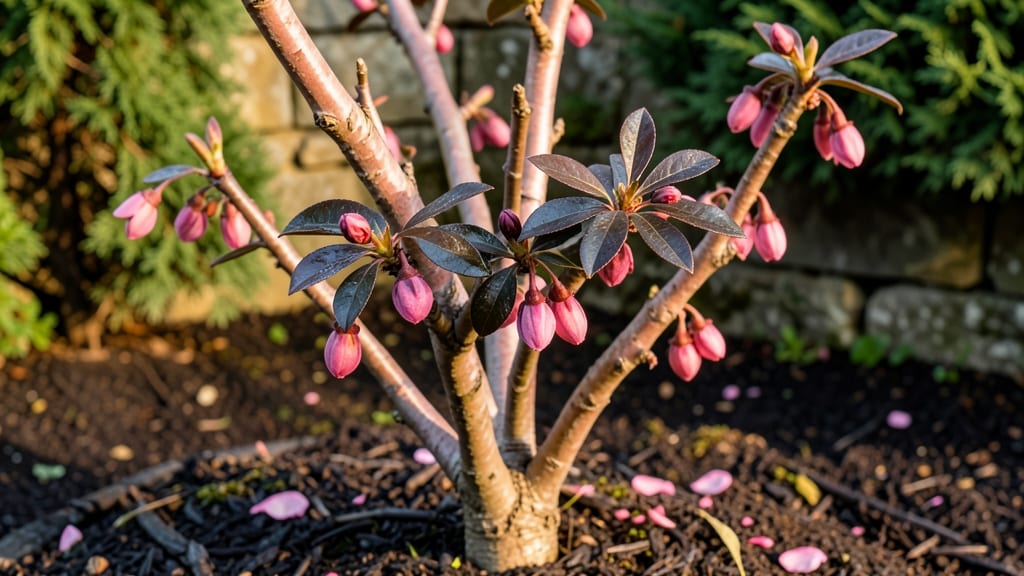
My flowering plum shrub (Prunus spp.) bursts into pink and white clouds every winter, proving that cold weather doesn’t mean boring gardens. 🌸 The secret isn’t fussing over it—it thrives with simple care, making it perfect for busy gardeners who still want showstopping blooms.
I’ve watched mine grow for years with almost no pruning, and the key is understanding its natural rhythm.
The right spot is everything: full sun and well-draining soil that doesn’t stay soggy. Plant it in early spring or fall, and water deeply for the first two weeks to help roots establish.
Most varieties handle drought once settled, but a little moisture during dry spells keeps those blossoms coming. I’ve seen mine flower for weeks, even when snow blankets the ground.
You’ll love how effortless it is—just a light trim after blooming to shape it, and that’s it. The branches arch gracefully, and the fragrance in early spring is intoxicating.
My neighbors still ask how I keep my yard looking so alive in winter, and now I’ll share the exact steps that make this shrub a no-fuss star.
Works in zones 5-9, and the right variety can even handle a touch of frost. Whether you’re a beginner or just want a low-maintenance beauty, this shrub delivers drama with minimal work. Let’s get yours planted right!
📚 In This Guide
- What you need
- Instructions
- Tips and common mistakes
- Wrapping up and next steps
What you need
- ● Flowering plum shrub: Choose a healthy, disease-free specimen (e.g., Prunus mume varieties like 'Barely Pink' or 'Fukubai'). Buy from a reputable nursery—1-3 plants depending on desired size.
- ○ Well-draining soil: Mix 2 parts native soil with 1 part compost (optional: add perlite or sand for sandy soils). Test pH (ideal: 5.5–6.5).
- ● Organic mulch: 2–3 inches of shredded bark, pine straw, or wood chips to retain moisture and suppress weeds.
- ● Slow-release fertilizer: 10-10-10 or 5-10-10 (spring application, ½ cup per plant).
- ● Garden gloves (heavy-duty for digging).
- ● Trowel or spade (for planting/digging).
- ● Pruning shears (sharp, bypass-style for clean cuts).
- ● Watering can or hose (with adjustable nozzle).
- ● Measuring tape (to space plants 10–15 feet apart).
- ○ Optional: Soil pH test kit, compost sifter, or drip irrigation system.
- ● Sunlight: Full sun (6+ hours/day) for optimal blooms.
- ● Climate zone: Hardy in USDA Zones 7–9 (check your local hardiness zone!).
- ● Water source: Access to water for deep weekly watering (1–1.5 inches/week).
Step-by-step instructions for planting and caring for a flowering plum shrub
Here's how to establish a stunning flowering plum that rewards you with vibrant blooms year after year.
🌱 Step 1: Choose the Perfect Planting Location
Flowering plums thrive in full sun—at least 6 hours of direct sunlight daily. I always pick a spot where the shrub will get morning sun and afternoon shade if your climate runs hot. The soil should drain well; these shrubs hate soggy roots. If your yard has heavy clay, amend the area with 3 inches of compost mixed into the top 12 inches of soil.
Dig a hole twice as wide as the root ball but only as deep. The top of the root ball should sit 1-2 inches above ground level—this prevents water from pooling around the stem. Gently loosen the roots if they're circling before placing the shrub in the hole.
💧 Step 2: Plant and Water Thoroughly
Place the flowering plum in the hole and backfill with native soil, pressing lightly to eliminate air pockets. Water deeply immediately after planting to settle the soil and encourage root contact. You'll know you've done it right when water drains through the hole within 10-15 minutes—this confirms good drainage.
Mulch around the base with 2-3 inches of organic mulch, keeping it 6 inches away from the trunk to prevent rot. Water 2-3 times weekly for the first 4 weeks to establish roots, then taper to once weekly once established. Overwatering here is the fastest way to kill a flowering plum.
☀️ Step 3: Provide Seasonal Care for Year-Round Blooms
Flowering plums bloom on old wood, so minimal pruning keeps them flowering best. After the first flush of blooms in early spring, remove only dead or crossing branches with clean cuts. I use sharp pruners to cut just outside the branch collar—this prevents unsightly stubs and encourages faster healing.
In late winter, before buds swell, you can shape the shrub lightly if needed. Never prune after mid-summer—this removes next year's flower buds. Feed with balanced 10-10-10 fertilizer in early spring when new growth appears, using ½ cup per shrub. Too much fertilizer leads to leafy growth at the expense of flowers.
✂️ Step 4: Protect and Maintain for Longevity
Watch for aphids or scale insects on new growth—these pests suck sap and weaken the shrub. A strong spray of water usually knocks them off, but for stubborn infestations, use neem oil according to package directions. Apply in early morning to avoid harming beneficial insects.
Flowering plums develop a strong root system over time, so they become quite drought-tolerant. Once established, water only when the top 2 inches of soil feel dry. In winter, reduce watering to once monthly unless your area experiences freezing temperatures—then water lightly to prevent desiccation.
⏰ Step 5: Prepare for Winter and Next Year's Blooms
In late fall, apply a 2-inch layer of mulch around the base to insulate roots. This helps protect against temperature swings that can stress the shrub. Avoid heavy pruning in winter—it removes next year's flower buds. If you notice any dead branches after winter, remove them in early spring before new growth begins.
Here's the thing—flowering plums often produce a second flush of blooms in late summer if the first flush is removed. Simply prune off the first set of spent flowers, and you'll often get a surprise second show. Just be sure to leave some blooms if you want fruit for birds.
Tips & tricks for perfect flowering plum care
These simple strategies will help you keep your flowering plum thriving with minimal effort and maximum blooms.
Sunlight Strategy: The 6 hours of daily sunlight is non-negotiable—these shrubs need full sun to produce their best blooms. I've found that positioning them where they get morning sun and afternoon shade works especially well in hot climates. If your yard has afternoon shade naturally, that's perfect. For areas with intense afternoon sun, consider planting near a building or fence that provides some relief during the hottest hours.
Soil Preparation Tip: When amending heavy clay soil with 3 inches of compost mixed into the top 12 inches, don't just scratch it in—really work it through thoroughly. I use a garden fork to loosen the soil and create pockets for roots to establish. This prevents waterlogging while improving drainage, which flowering plums absolutely hate. The goal is to create a loose, crumbly texture that roots can easily penetrate.
Watering Wisdom: That 10-15 minute drainage test after planting is crucial—if water pools around the hole, your shrub will suffocate. I've seen too many people skip this step and end up with root rot within weeks. For the first 4 weeks, I set a timer for every other day to ensure I'm watering 2-3 times weekly. Once established, I check soil moisture by sticking my finger 2 inches down—if it's dry, it's time to water. Overwatering is the number one killer of flowering plums.
Pruning Precision: When pruning after the first spring bloom, focus on removing only dead or crossing branches—never take more than 25% of the plant at once. I use sharp pruners to make clean cuts just outside the branch collar (the swollen area where the branch meets the trunk). This technique promotes faster healing and maintains the shrub's natural shape. Remember, these shrubs bloom on old wood, so less pruning means more flowers!
Pro Tips for Flowering Plum Shrub
- These simple strategies will help you keep your flowering plum thriving with minimal effort and maximum blooms.
- Sunlight Strategy: The 6 hours of daily sunlight is non-negotiable—these shrubs need full sun to produce their best b...
- Soil Preparation Tip: When amending heavy clay soil with 3 inches of compost mixed into the top 12 inches, don't just...
Frequently asked questions
Got questions about your flowering plum shrub? You’re not alone! Here are answers to the most common queries—from care tips to troubleshooting—so you can enjoy those stunning blooms with confidence.
When is the best time to plant a flowering plum shrub?
Plant your shrub in early spring or fall when temperatures are mild. This gives roots time to establish before extreme heat or cold. Avoid planting in summer—hot weather stresses young plants. If you’re in a warm climate, fall planting is ideal to prevent drought stress.
How cold-hardy is a flowering plum shrub?
Most varieties thrive in USDA Zones 5–9, handling temps down to -15°F (-26°C). Young shrubs may need winter protection (like burlap wraps) in colder zones. Prune dead wood in late winter to encourage healthy regrowth. Pro tip: Mulch around the base to insulate roots!
Do flowering plum shrubs need much pruning?
Not at all! These shrubs are low-maintenance—just remove dead or crossing branches after flowering. For a fuller look, lightly trim in early spring before buds swell. Avoid heavy pruning; it can reduce next year’s blooms. Bonus: Their natural shape is stunning!
Why aren’t my flowering plum shrubs blooming?
Common culprits: over-pruning, poor sunlight, or young age (they may take 2–3 years to bloom). Ensure they get 6+ hours of sun and well-draining soil. If established but still bare, check for nutrient deficiencies—a balanced fertilizer in early spring can help.
What are some low-maintenance alternatives to flowering plum shrubs?
If you love easy-care bloomers, try these:
- Dwarf Fothergilla – Fragrant spring blooms, great for small spaces.
- Japanese Andromeda – Evergreen with pink spring flowers.
- Oso Easy® Spirea – Disease-resistant and packed with color.
- Abelia – Blooms spring to fall with minimal fuss.
Wrapping up and next steps
The flowering plum shrub is a stunning, low-maintenance addition to any garden, offering vibrant blooms with minimal fuss. Whether you're drawn to its early spring flowers or its lush foliage, this hardy shrub delivers beauty effortlessly—perfect for both novice and experienced gardeners. 🌸
Ready to bring this easy-care charm to your outdoor space? Start by selecting the right variety for your climate, then give your shrub the love it deserves with simple pruning and care. Your garden will thank you with months of color and a touch of nature’s elegance!