
Trees
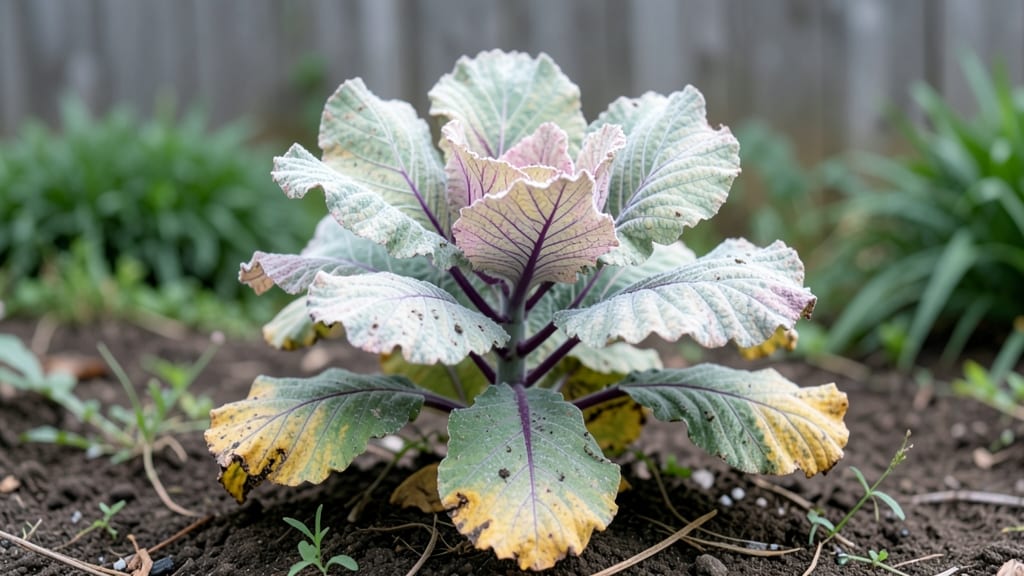
Growing flowering kale white is like having a frost-proof snowstorm in your garden—its silvery-white blooms stand out against winter’s bare branches. 🌿 I’ve grown it for three years now, and it’s become my go-to for year-round color, even when temperatures dip below freezing.
The secret lies in its hardiness: this isn’t your average annual plant; it thrives where most greenery gives up.
You’ll need full sun to partial shade and well-draining soil—think amended garden beds or containers with holes for drainage. Plant seeds 6-8 weeks before your first frost, or start indoors 4-6 weeks ahead if you’re in a cooler zone.
Water consistently but avoid soggy roots, and fertilize lightly with compost or balanced fertilizer every 4-6 weeks. The key? Don’t overcrowd—space plants 12-18 inches apart for that lush, cloud-like effect.
By late summer, you’ll see those spectacular white blooms emerge, and they’ll keep coming until frost kills the plant—or not, if you’re in a mild climate. The flowers are purely decorative, but the leaves?
Edible and delicious in salads when young. Use it as a stunning border, in containers, or as a dramatic focal point near walkways. It’s the plant that works as hard as it looks.
Here’s the best part: zero fuss. No deadheading required, no pests to fear (deer might nibble, but they usually leave it alone). Once established, it’s drought-tolerant and handles light frost like a champ.
Perfect for low-maintenance gardens, urban spaces, or even as a holiday centerpiece that lasts through winter. Let’s get those seeds in the ground!
📚 In This Guide
- What you need
- Instructions
- Tips and common mistakes
- Wrapping up and next steps
What you need
- ● Flowering Kale White Seeds or Seedlings: 1–2 packets of seeds (or 2–3 healthy seedlings from a nursery)
- ● Look for varieties like Kale ‘White Russian’ or Kale ‘Winterbor’ for best results.
- ● Well-Draining Soil: 1–2 bags of potting mix (for containers) or amend garden soil with compost (1 part compost to 3 parts soil).
- ○ Optional: Add a handful of perlite or vermiculite (1 cup per 5 gallons of soil) to improve drainage.
- ● Containers or Garden Bed: For containers: 5–7 inch deep pots (1–2 per plant) with drainage holes.
- ● For garden beds: Full sun to partial shade (4–6 hours of sunlight daily).
- ● Basic Gardening Tools: Trowel or small shovel
- ○ Gloves (optional but recommended)
- ● Watering can or hose with a gentle spray nozzle
- ○ Fertilizer (Optional but Helpful): Balanced liquid fertilizer (10-10-10 or 5-5-5) or slow-release granules (follow package instructions).
- ○ Mulch (Optional for Cold Climates): Straw or shredded leaves (1–2 inches) to protect roots from extreme cold.
- ○ Pruning Shears (Optional): For trimming dead or yellowed leaves to encourage new growth.
Step-by-step instructions for growing flowering kale white
Here’s how to cultivate this stunning frost-tolerant beauty with minimal fuss.
🌱 Step 1: Select the Right Location and Prepare the Soil
Flowering kale thrives in full sun to partial shade, making it perfect for gardens, containers, or even urban spaces. Choose a spot with at least 4-6 hours of sunlight daily, though it tolerates morning sun and afternoon shade in hotter climates. The soil should be well-draining but moisture-retentive—amend heavy clay with 2-3 inches of compost to improve aeration.
This plant handles poor soil better than most, but it rewards you with bigger, brighter blooms if you give it a slightly fertile mix. Work in a balanced 5-10-10 fertilizer at planting time to encourage strong early growth. Avoid fresh manure, which can burn tender roots.
🌿 Step 2: Plant Seeds or Transplants at the Right Time
Sow seeds 4-6 weeks before your last frost date for spring planting, or directly in the garden 6-8 weeks before the first frost for fall/winter color. Seeds germinate best at 60-70°F, so use a heat mat if starting indoors. Plant seeds ¼ inch deep and 12 inches apart—they’ll spread as they mature.
For transplants, choose established plants with 4-6 true leaves and bury them slightly deeper than their original containers. This encourages stronger root development. Water deeply after planting to settle the soil and remove any yellowed lower leaves to redirect energy to new growth.
💧 Step 3: Water and Fertilize for Vibrant Blooms
Keep the soil consistently moist but never soggy—1 inch of water per week is ideal, more in extreme heat. Water at the base to avoid wetting the foliage, which reduces disease risk. Mulch with 2-3 inches of straw or shredded leaves to retain moisture and protect roots from temperature swings.
Feed plants every 4-6 weeks with a 10-10-10 or fish emulsion fertilizer to maintain lush growth. Stop fertilizing 6-8 weeks before the first frost to allow the plant to harden off naturally. Over-fertilizing late in the season can lead to tender growth that won’t survive winter.
✂️ Step 4: Deadhead and Prune for Prolonged Blooms
Pinch back spent flowers regularly to encourage continuous blooming from early fall through winter. Use clean pruners to snip just above a set of leaves, and remove any damaged or yellowing foliage immediately. This keeps the plant looking tidy and prevents pests from taking hold.
If you’re growing flowering kale as a cut flower, harvest stems in the morning when buds are just beginning to open. Cut at a 45-degree angle and place in water immediately—these stems last 7-10 days in a vase. Avoid cutting into the main stem, as this can stunt the plant’s growth.
☀️ Step 5: Protect and Maintain Through Winter
Flowering kale is one of the most cold-hardy plants, surviving down to 15°F with minimal protection. In colder zones, mound 4-6 inches of mulch around the base to insulate roots. Water sparingly in winter—just enough to keep the soil from drying out completely.
Watch for aphids or cabbage worms, which may target stressed plants. A strong spray of water or neem oil usually clears them up. If heavy frost blackens leaves, simply trim back damaged growth in early spring—the plant will rebound quickly.
Tips & tricks for perfect flowering kale white cultivation
Real talk: These are the game-changing details that separate a struggling patch of flowering kale from a showstopping winter garden. The difference often comes down to understanding the plant's unique needs at each growth stage.
Soil Preparation Secret: Don't just amend your soil—think about its texture. Flowering kale thrives in that perfect balance between drainage and moisture retention. I've found that mixing 2-3 inches of compost with 1 part perlite to 3 parts garden soil creates ideal conditions. This prevents waterlogging while keeping roots hydrated during dry spells. For containers, use a mix that's 30% potting soil, 30% compost, and 40% coconut coir—this mimics the well-draining conditions this plant craves.
Timing is Everything: Those 4-6 weeks before last frost for spring planting might seem like a tight window, but it's crucial for establishing strong roots before summer heat arrives. I've learned the hard way that planting too early in cold climates can lead to leggy, weak seedlings. For fall planting, mark your calendar 6-8 weeks before first frost—this gives plants time to develop hardy stems before winter sets in. Pro tip: Use a soil thermometer to confirm your soil has reached 60°F before planting seeds.
Cold Hardiness Strategy: When temperatures drop to 15°F, most gardeners panic, but flowering kale actually thrives in these conditions. The key is preparation. Mound that 4-6 inches of mulch around the base in late fall, but don't just pile it on—create a gentle slope so water can still reach the roots. I've seen plants survive -5°F with this protection, though their leaves might look frost-bitten. Simply trim back any damaged growth in early spring—the plant will bounce back with vibrant new foliage.
Pruning Technique: When deadheading, don't just snip off the spent flowers—look for the first set of leaves below the bloom. Cut just above that leaf node to encourage new growth from that point. This creates a bushier plant with more blooms. For cut flowers, harvest in the morning when buds are just beginning to open. The 45-degree angle cut is crucial—it increases the surface area for water absorption, making your bouquets last their full 7-10 days in water.
Pro Tips for Flowering Kale White
- Real talk: These are the game-changing details that separate a struggling patch of flowering kale from a showstopping winter garden.
- Soil Preparation Secret: Don't just amend your soil—think about its texture.
- Timing is Everything: Those 4-6 weeks before last frost for spring planting might seem like a tight window, but it's crucial for establishing strong roots before summer heat arrives.
Frequently asked questions
When is the best time to plant flowering kale white?
Plant flowering kale white in early spring (4-6 weeks before the last frost) or late summer (8-10 weeks before the first frost) for fall/winter color. It thrives in cool weather (30–65°F) and can even survive light frosts—perfect for extending your garden’s season!
How long does it take to grow from seed to harvest?
From seed, expect flowering kale white to reach maturity in 60–70 days. If starting with transplants, you’ll see vibrant blooms in 4–6 weeks. Patience pays off—its striking white rosettes and purple stems are worth the wait!
Can flowering kale white survive winter?
This variety is extremely cold-hardy (USDA Zones 3–9) and often improves after frost, turning sweeter and more colorful. Just protect it with mulch or row covers during harsh freezes (below 20°F) for extra insurance.
What are some alternatives if I can’t find flowering kale white?
Try these frost-resistant, ornamental kale varieties for similar pops of color:
- Redbor – Deep purple with white centers
- Winterbor – White with burgundy edges
- Dwarf Green Curled – Classic, cold-tolerant green
Why is my flowering kale turning yellow or bolting early?
Yellowing leaves often signal over-maturity or heat stress (above 70°F). To prevent bolting (premature flowering), plant in partial shade during hot summers or harvest before stems toughen. Overcrowding can also stress plants—space them 12–18 inches apart for airflow.
Wrapping up and next steps
Flowering kale white isn’t just a stunning frost-resistant beauty—it’s a year-round superstar that brings color, texture, and nutrition to your garden with minimal fuss. Whether you’re a seasoned gardener or a curious beginner, its resilience and versatility make it a must-have for adding elegant pops of white to any landscape. Ready to elevate your garden? Start by planting a few seedlings today—your future winter displays will thank you!
🌱 Pro tip: Share your progress with fellow plant lovers on social media using #FloweringKaleWhite for inspiration and tips!