
Planting
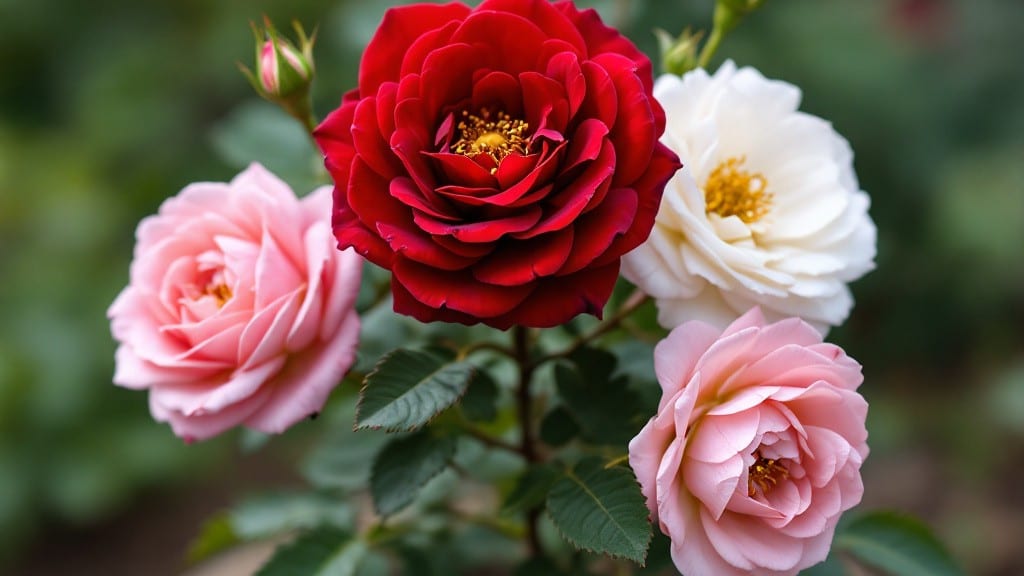
Mastering flower plant identification can turn a guess into a confident "I know exactly what that is!" 🌸 I’ve spent years squinting at garden centers and local parks, trying to match fuzzy memories with names—and now I’m sharing the foolproof visual tricks that finally clicked. clues that actually work.
No more second-guessing whether that purple spike is a salvia or a lavender.
The trick is focusing on three things: leaf shape (lobed, serrated, or smooth?), flower structure (single blooms or clusters?), and growth habit (woody stems or trailing vines). Most plants reveal their identity in these details, and I’ll walk you through the most common giveaways for 50 varieties.
You’ll spot daylilies by their sword-like leaves, recognize coneflowers by their daisy-like petals with a spiky center, and never confuse hostas with their close cousins again.
Once you master these visual cues, you’ll start noticing patterns—like how most perennials have sturdy stems while annuals grow softer and faster. That knowledge turns garden walks into a game, and suddenly you’re collecting plants with purpose instead of just admiring pretty faces.
Plus, you’ll know exactly what care each one needs, from sun-loving cosmos to shade-tolerant impatiens.
This guide works whether you’re standing in your own yard or a friend’s garden, and it’s beginner-friendly enough that even my black thumb could follow along.
The best part? You’ll never buy the wrong plant again—or worse, pull up something you thought was a weed. Let’s get those identifications nailed down!
Mistakes That Confuse Plant IDs
When it comes to flower plant identification, even experienced gardeners can mix up species—especially if the plant isn’t in full bloom or lacks distinctive features. Misidentification often stems from overlooking key botanical traits, seasonal changes, or environmental factors.
Below are the most common reasons why plants get mislabeled, along with the science behind each issue.
Plants have unique identifiers—leaf shape, vein patterns, flower symmetry, and growth habits—that act like fingerprints. Skipping these details is the #1 reason for misidentification.
- Leaf Arrangement: Alternate vs. opposite vs. whorled leaves (e.g., Hosta has broad, alternate leaves, while Coleus often has opposite, colorful foliage).
- Flower Structure: Petal count (3 = lilies, 4 = peonies, 5 = roses), symmetry (radial vs. bilateral), and reproductive parts (stamens vs. pistils).
- Stem & Bark: Hairy stems (e.g., Lamb’s Ear) or thorns (e.g., Rose) can distinguish look-alikes like Raspberry vs. Blackberry.
Why it happens: The human brain often focuses on the most visually striking part (like flowers) and ignores structural details. For example, Daylilies and Lilies both have trumpet-shaped blooms, but lilies have 6 petals (technically tepals) and grow from bulbs, while daylilies have 6 petals + 6 sepals and grow from rhizomes.
Plants change dramatically across seasons—what looks like a Daffodil in spring might be a Snowdrop in winter, or a Hydrangea in bloom could resemble a Mimosa when dormant.
| Season | What Changes | Example Mix-Up |
|---|---|---|
| Spring | New leaves, buds forming | Crocus (early bloomer) vs. Tulip (later, larger flowers) |
| Summer | Full bloom, seed pods forming | Sunflower (single bloom) vs. Jerusalem Artichoke (tubers, not flowers) |
| Fall/Winter | Dormant stems, dried seed heads | Russian Sage (silvery stems) vs. Lavender (square stems, aromatic) |
Why it happens: Plants undergo phenological shifts—biological cycles triggered by temperature, daylight, and moisture. For instance, Peonies may look like Roses in bloom but have woody stems and no thorns. In winter, Hellebores (Lenten Roses) bloom early, while Snowdrops appear even earlier—both are often confused with Crocuses due to similar white flowers.
Not all plants are what they seem—especially if they’re hybrids, cultivars, or native to a different climate. A "Zinnia" sold in one region might be a Zinnia elegans, while another could be a Zinnia angustifolia (Narrow-leaf Zinnia), which has different petal layers.
- Hybrids: Rhododendrons and Azaleas are both Rhododendron species but differ in leaf texture (leathery vs. soft) and bloom time (spring vs. late winter).
- Cultivars: Petunia ‘Wave’ has trailing stems, while Petunia ‘Grandiflora’ is bushy—both are Petunia × hybrida but look entirely different.
- Invasive vs. Native: English Ivy (Hedera helix) and Boston Ivy (Parthenocissus tricuspidata) both climb walls but have different leaf shapes (lobed vs. palmate).
Why it happens: Plant breeding and geographic adaptation create variations. For example, Dahlia hybrids can have cactus, pompon, or dinnerplate flowers—all from the same genus (Dahlia) but with genetic modifications for size, color, and growth habit. Nurseries may not always specify the exact cultivar, leading to confusion.
Color is the most obvious trait, but many plants share the same hues. A red flower could be a Rose, Geranium, Poppy, or Fuchsia—all requiring closer inspection.
- Shade Variations: Hydrangeas change color based on soil pH (blue in acidic, pink in alkaline).
- Bicolor Patterns: Caladiums (Elephant Ears) have heart-shaped leaves with pink/white/red centers, while Coleus has solid or speckled leaves.
- Dried vs. Fresh: Dried Lavender looks like Dried Rosemary until you crush the leaves (lavender smells floral; rosemary is piney).
Why it happens: Anthocyanins (pigments in flowers) can produce similar reds, purples, and blues across unrelated species. For example, Salvia and Verbena both have red blooms but differ in flower cluster shape (whorls vs. spikes) and leaf aroma (minty vs. none).
Pro Tip: 💡 Use a plant ID app (like PictureThis or Google Lens) to cross-check traits, but always verify with a field guide or local botanist—apps aren’t foolproof!
Quick Fixes for Plant ID Struggles
Stumped by a leafy mystery in your garden? Don’t let confusion slow you down—these practical solutions will help you identify and care for your plants like a pro. Whether you’re dealing with vague descriptions, missing details, or just a blank slate, here’s how to crack the code.
Problem: The plant looks familiar, but you can’t pinpoint the exact species—leaves are the wrong shape, colors are off, or the flowers don’t match your mental image.
Fix It:
- 📸 Take high-quality photos from multiple angles (focus on leaves, stems, flowers, and bark). Lighting matters—shoot in natural daylight, not harsh shadows.
- 🔍 Use a magnifying glass for tiny details like leaf veins, hairiness (trichomes), or flower structures. These often reveal hidden clues.
- 🌿 Compare with a "cheat sheet"—print or bookmark a flower plant identification chart (like the one in this guide) and cross-reference textures, growth habits, and seasonal changes.
Prevention Tip: 💡 Keep a garden journal! Sketch or photograph new plants as they grow. Note their size, scent, and any quirks—like whether they attract bees or bloom at night.
Problem: You’re too busy scrolling through endless plant databases, and none seem to match.
Fix It:
- 🌱 Try these apps first:
- PlantNet (free, crowdsourced database with user-uploaded images).
- PictureThis (AI-powered, but has a paid upgrade for full details).
- Google Lens (upload a photo, and it suggests matches).
- 🔄 Reverse image search: Upload a photo to TinEye or Google Images to see if others have identified it online.
- 📊 Use a field guide app like iNaturalist to log sightings and get community input.
Prevention Tip: ✨ Bookmark a few trusted sources so you’re not guessing. Websites like the USDA Plants Database or Missouri Botanical Garden’s PlantFinder are goldmines for verified info.
Problem: Your plant’s flowers fell off, leaves are chewed, or stems are broken—making ID nearly impossible.
Fix It:
- 🍃 Focus on what’s left:
- Leaves: Check arrangement (alternate, opposite, whorled), edges (lobed, serrated, smooth), and undersides (fuzzy, waxy, or hairy).
- Stems: Note if they’re woody, succulent, or hollow. Look for thorns, milky sap, or peeling bark.
- Roots (if visible): Taproot vs. fibrous? Smell them—some (like skunk cabbage) have a distinct odor.
- 🕵️♂️ Play detective with growth patterns:
- Is it a weed (fast-growing, invasive roots) or a perennial (dies back but returns)?
- Does it grow in clusters (like hostas) or spreads via runners (like mint)?
Prevention Tip: 🌡️ Take "progress photos" of new plants weekly. Capture early stages (like buds forming) to track changes over time.
Problem: Seedlings look identical, or an aged plant has lost its defining traits.
Fix It:
- 🌱 For seedlings:
- 🔎 Count leaf pairs (e.g., maple leaves have opposite pairs; oak leaves are alternate).
- 🌱 Compare cotyledons (first leaves)—some plants have rounded ones (dicots) vs. grass-like (monocots).
- 📏 Measure growth rate—fast climbers (like morning glories) vs. slow growers (like roses).
- 🌳 For mature plants:
- 🌿 Look at bark texture (smooth = young tree; rough = mature).
- 🍂 Check fallen leaves or seed pods—shape and size are often diagnostic.
- 🐛 Inspect for pests—some insects (like aphids on roses or scale on citrus) are species-specific.
Prevention Tip: 🎯 Start IDs early! Even a tiny seedling can be matched if you know its family (e.g., "this is a Lilium hybrid because the leaves are whorled").
Problem: Your plant thrives in your climate but doesn’t match online guides from other zones.
Fix It:
- 🗺️ Narrow by hardiness zone—use the USDA Zone Finder to filter results.
- ⏳ Account for seasonal changes:
- Spring: Focus on buds and new leaves.
- Summer: Look at flowers and fruit.
- Fall/Winter: Examine seed heads or dormant stems.
- 🌧️ Check moisture preferences—bog plants (like pitcher plants) vs. drought-tolerant succulents.
Prevention Tip: 💡 Join local gardening groups (Facebook, Reddit, or Nextdoor) to ask, “What’s this weird plant growing near the creek here?”
Final Pro Tip: 🔥 When all else fails, dig it up (gently!) and observe the root structure. Some plants (like irises) have rhizomes, others have bulbs—this can be a game-changer for ID. Then, replace it with confidence!
Frequently asked questions
What’s the easiest way to identify flowers without an app?
Start with three key traits: leaf shape (lobed, smooth, or serrated?), flower arrangement (single blooms or clusters?), and growth habit (woody stems or trailing vines). For example, hostas have broad, alternate leaves and grow from rhizomes, while coleus has opposite, colorful foliage. Compare these to a printed guide or your phone’s camera roll for quick reference.
Can I trust plant ID apps 100%?
Apps like PictureThis or PlantNet are great for beginners, but they’re not infallible. Always cross-check with a field guide or ask a local botanist—apps can misidentify hybrids or regional variations. For critical decisions (like pesticide use), verify with a second source.
Why do some flowers look different in photos vs. real life?
Lighting, angle, and seasonal changes create discrepancies. A photo might show vibrant colors in direct sunlight, while the real plant appears duller in shade. Also, digital filters can exaggerate details—always examine texture, scent, and growth patterns in person for accurate identification.
What’s the best time of day to photograph plants for ID?
Morning or late afternoon when light is soft and shadows are minimal. Avoid midday sun, which causes harsh contrasts and distorts colors. Focus on natural details like leaf veins, stem hairiness, and flower symmetry—these are often the most reliable ID clues.
How do I tell the difference between a weed and a desirable plant?
Look at growth patterns: weeds often spread aggressively via runners or seeds, while perennials return yearly from roots. Check leaf arrangement (alternate vs. opposite) and root structure—taproots (like dandelions) vs. fibrous roots (like clover). When in doubt, research the plant’s native region and invasive status.