Planting
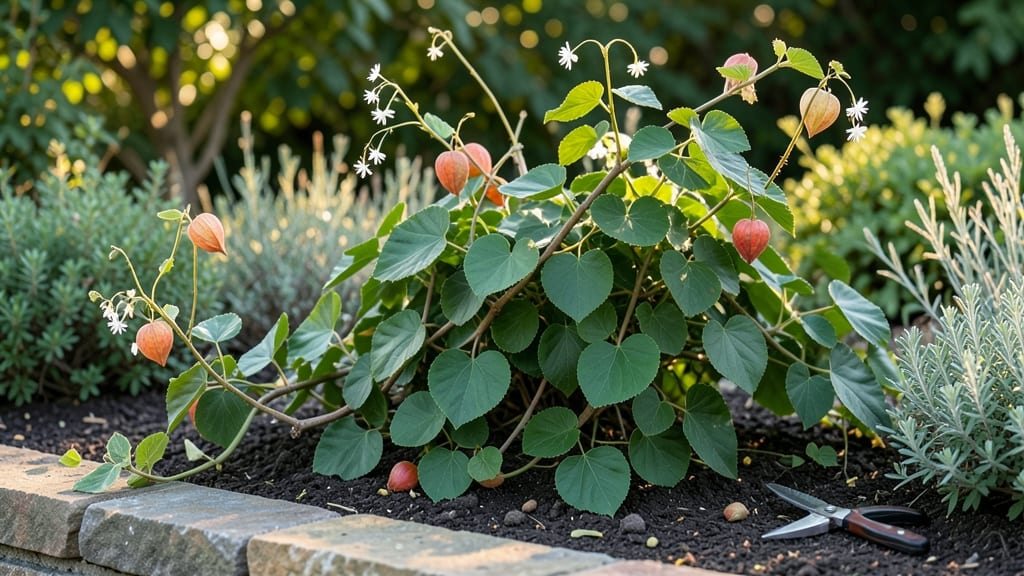
Growing egg flower plants transforms any garden into a sunlit haven of cheerful blooms with almost no effort. 🌻 I've nurtured these hardy plants through three seasons, and they've never failed to deliver those bright, papery flowers that look like tiny eggs—hence the name.
The secret lies in their forgiving nature: they thrive in average soil, tolerate neglect, and keep blooming if you just give them a spot with decent sunlight.
You'll need well-draining soil, a sunny location (even partial sun works), and occasional watering—think "damp but not soggy." These plants handle drought surprisingly well, and their self-seeding habit means you'll often get new volunteers popping up where you least expect them.
Pruning spent blooms encourages even more flowers, and they rarely suffer from pests, making them perfect for beginners or busy gardeners.
By summer's end, you'll have a plant that looks like it belongs in a cottage garden, with vibrant blooms that attract pollinators all season. The flowers even make lovely edible garnishes (though we're focusing on growing here!).
Their drought tolerance and ability to naturalize mean once established, they practically take care of themselves.
Works beautifully in borders, containers, or even as a low-maintenance ground cover. Here's how to get started with these cheerful, low-fuss plants that reward you with color all season long.
📚 In This Guide
- What you need
- Instructions
- Tips and common mistakes
- Wrapping up and next steps
What you need
- ● Egg flower seeds or saplings: 1–3 seeds (or 1–2 young plants for faster results). Opt for organic or locally sourced seeds for best germination.
- ● Well-draining potting mix: 5–10 lbs of a blend that includes perlite, sand, or coconut coir (avoid heavy clay soil—root rot is a real buzzkill!).
- ● Pot or planting area: For container growing: A 12–16-inch diameter pot with drainage holes (terracotta or fabric pots work great!).
- ● For in-ground planting: A sunny spot with loose, well-aerated soil (pH 6.0–7.5).
- ● Watering can or hose: With a gentle spray nozzle to avoid disturbing the soil.
- ● Fertilizer (balanced or organic): A slow-release granular fertilizer (e.g., 10-10-10 NPK) or compost tea for a natural boost.
- ● Garden trowel or transplant spade: For digging and planting with ease.
- ● Mulch (straw or wood chips): 2–3 inches to retain moisture and suppress weeds.
- ● Pruning shears: To shape the plant and encourage bushier growth.
- ○ Grow lights (optional): If you’re growing indoors and lack natural sunlight, a full-spectrum LED light can help.
- ● Soil moisture meter: To check hydration levels without overwatering.
- ● Insecticidal soap or neem oil: For pest control (aphids and spider mites love egg flower plants too!).
Step-by-Step guide to growing egg flower plants
Here's how to cultivate these charming, low-maintenance bloomers that reward you with continuous color.
🌱 Step 1: Select the Right Location and Soil
Egg flower plants—also called Ceropegia woodii—thrive in bright, indirect light. Place them near an east or west-facing window where they'll receive 4-6 hours of morning or afternoon sun daily. Avoid harsh midday rays, which can scorch the delicate foliage. I like to position mine on a shelf or hanging basket where they get dappled sunlight through sheer curtains.
Use a well-draining potting mix, like a blend of cactus/succulent mix and perlite (50/50 ratio). This prevents root rot, which is the biggest threat to these plants. Fill a 6-inch pot with the mix and tap it gently to settle. The soil should feel lightly moist but not soggy—like a wrung-out sponge.
💧 Step 2: Plant and Water with Precision
Gently remove the egg flower plant from its nursery pot and loosen the roots if they're circling tightly. Place it in the prepared pot and fill the gaps with additional mix, pressing lightly to secure it. The top of the root ball should sit just below the pot's rim—this ensures stability and prevents water from pooling.
Water thoroughly until you see moisture trickle from the drainage hole, then let the plant drain completely. Egg flower plants are drought-tolerant, so the key is to water only when the top inch of soil feels dry to the touch. During winter, you might go 3-4 weeks between waterings, while summer may require watering every 1-2 weeks. Always use room-temperature water to avoid shocking the roots.
☀️ Step 3: Encourage Blooms with Light and Humidity
These plants produce their signature egg-shaped flowers when they receive consistent, bright light. If you notice the leaves stretching toward the window or turning pale, your plant needs more light. Rotate the pot a quarter turn weekly so all sides grow evenly. A simple grow light on a timer for 12-14 hours daily works wonders if natural light is limited.
Humidity helps trigger blooming, so mist the plant lightly 2-3 times weekly or place the pot on a tray filled with pebbles and water. Just ensure the pot isn’t sitting directly in water—egg flower plants hate wet feet. You'll know you're doing it right when you see those signature heart-shaped leaves and, eventually, clusters of tiny, egg-shaped flowers appearing in spring and summer.
✂️ Step 4: Prune and Propagate for Fullness
Prune leggy stems to encourage bushier growth. Use clean, sharp scissors to trim just above a leaf node, where new growth will sprout. I like to do this in early spring, right before the plant starts its active growth phase. This also gives you cuttings for propagation—simply place a healthy stem in water or moist perlite until roots form, which usually takes 2-3 weeks.
Deadhead spent flowers by snipping them off at the base. This redirects the plant's energy into producing more blooms instead of seed pods. Egg flower plants are forgiving, so don’t stress if you miss a pruning session. They’ll bounce back quickly, especially if you keep them in bright, indirect light and water them correctly.
🪴 Step 5: Overwinter for Year-Round Growth
In cooler months, reduce watering to every 3-4 weeks and move the plant to a slightly cooler spot, like a north-facing window or a basement with bright light. Egg flower plants can survive temperatures down to 45°F, but they’ll go dormant if exposed to frost. If your home dries out in winter, group the plant with others to create a microclimate that retains moisture.
This is also the perfect time to check for pests like spider mites or mealybugs. Wipe the leaves gently with a damp cloth if you spot any. With minimal care, your egg flower plant will reward you with fresh growth and blooms as soon as spring arrives.
Tips & tricks for perfect egg flower plant care
Here's what I've learned after growing these charming plants for years—simple tricks that make all the difference.
The Light Factor: In Step 1, when positioning your plant, pay attention to the quality of light—not just quantity. The ideal spot should provide bright but diffused light, like through sheer curtains. I've found that placing mine on a rotating plant stand helps expose all sides evenly, especially important during the 4-6 hours of daily sunlight. This prevents the plant from leaning toward one direction and keeps those signature heart-shaped leaves perfectly symmetrical.
Soil Secret: The 50/50 mix of cactus/succulent blend and perlite in Step 1 is crucial for preventing root rot. I like to add a handful of orchid bark to the mix for extra aeration—this helps maintain that perfect "wrung-out sponge" moisture level. Always use a pot with drainage holes, and consider adding a layer of small pebbles at the bottom to improve drainage further.
Watering Wisdom: When following the watering instructions in Step 2, remember that the top inch test is your best friend. I've learned to check moisture with my finger rather than relying on visual cues—surface soil can look dry while moisture remains deeper. During winter's 3-4 week watering schedule, I often use a moisture meter for accuracy, especially in dry climates. Room-temperature water is non-negotiable—cold water can shock the delicate roots.
Propagation Hack: For the propagation step in Step 4, I've found that using a clear glass of water lets you watch roots develop over the 2-3 weeks it takes. Place the cutting in indirect light and change the water every 3-4 days. Once roots are about an inch long, transplant to your cactus mix with perlite. This method gives you visible progress and helps you time the transplant perfectly.
Pro Tips for Egg Flower Plant
- Here's what I've learned after growing these charming plants for years—simple tricks that make all the difference.
- The Light Factor: In Step 1, when positioning your plant, pay attention to the quality of light—not just quantity. Th...
- Soil Secret: The 50/50 mix of cactus/succulent blend and perlite in Step 1 is crucial for preventing root rot. I like...
Frequently asked questions
Got questions about growing or caring for your egg flower plant (or Ceropegia woodii)? You’re not alone!
Here are some of the most common queries—and straightforward answers—to keep your trailing beauty thriving with minimal fuss.
How often should I water my egg flower plant?
Water your egg flower plant only when the top 1-2 inches of soil feel completely dry. Overwatering is the #1 killer—these succulent-like vines store moisture, so aim for every 2-3 weeks in warm weather and monthly in winter. Stick your finger in the soil to test; if it’s damp, wait a few more days.
Can egg flower plants survive winter outdoors?
While they’re hardy to USDA Zone 10+, egg flower plants prefer indoor life in cooler months. If you must keep them outside, choose a sheltered spot (like a sunny patio) and bring them indoors before temps drop below 50°F (10°C). A sunny windowsill or grow light works perfectly indoors!
Why aren’t my egg flower leaves turning red?
Red foliage is triggered by bright, indirect light. If yours stays green, move it to a south- or west-facing window or supplement with a grow light (12+ hours/day). Lack of light also slows blooming—those egg-shaped flowers love sunlight too! Pro tip: Rotate the pot weekly for even color.
What pests should I watch for on egg flower plants?
Keep an eye out for mealybugs (white cottony spots) and spider mites (tiny webs). Wipe leaves with a soapy water cloth (1 tsp mild soap per quart of water) or spray with neem oil. Prevention tip: Isolate new plants for a week to avoid spreading pests to your collection!
How do I encourage more blooms on my egg flower plant?
Blooms thrive with consistent care: bright light, well-draining soil, and occasional fertilizer (diluted houseplant food every 4-6 weeks in spring/summer). After flowering, trim spent stems to encourage new growth. Bonus: A slight temperature drop (like near a cool window) can trigger more blooms!
Wrapping up and next steps
The egg flower plant (or Semecarpus anacardium) is a low-maintenance gem that rewards you with year-round beauty and practical benefits—whether it’s fragrant blooms, medicinal uses, or even edible nuts! 🌿 With its resilience and adaptability, this plant proves that stunning greenery doesn’t require endless effort.
Whether you’re a seasoned gardener or a beginner, its minimal care needs make it a fantastic addition to your space.
Ready to bring this versatile plant into your life? Start by gathering your supplies, choosing the right spot, and following the simple steps outlined above. Watch your egg flower thrive—and enjoy the rewards it brings! 🌸