
Flowers
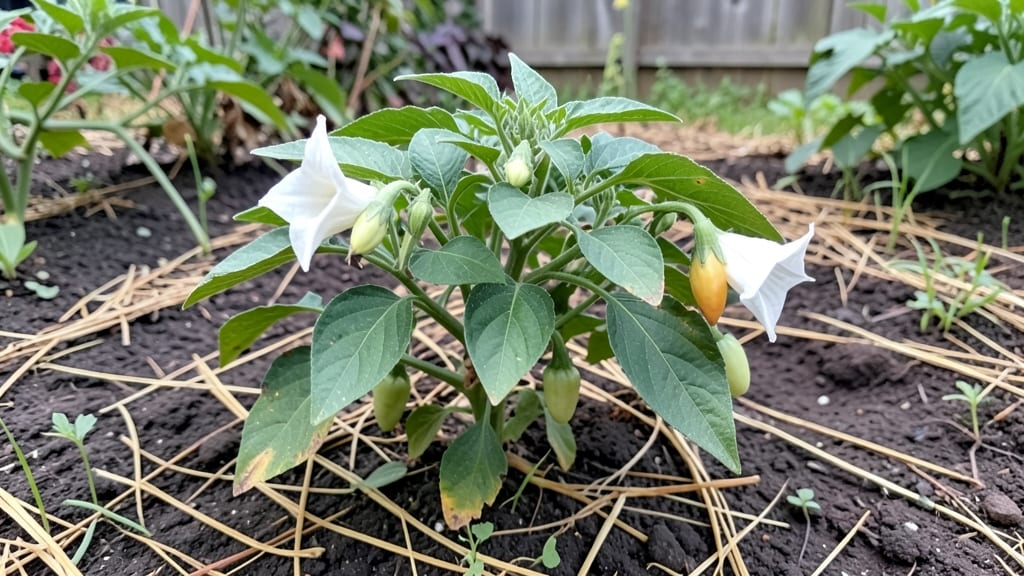
Growing Chinese flower peppers means year-round color and spice without the fuss. 🌿 These little powerhouses pack ornamental blooms and tiny, tangy peppers that stay productive from spring to frost—if you nail their light and water needs.
I’ve grown them in pots on my balcony and in garden beds, and the secret to their success is treating them like the low-maintenance divas they are.
The key starts with a sunny spot—at least 6 hours of direct light daily, whether outdoors or under grow lights indoors. They thrive in well-draining soil (a mix of potting soil and perlite works wonders) and love warmth, so keep temperatures above 60°F.
Water when the top inch of soil feels dry, but don’t drown them—overwatering is their biggest enemy.
What you’ll end up with is a bush bursting with vibrant red, yellow, or purple blooms that turn into glossy peppers, all while attracting pollinators to your garden. The peppers are mild, slightly sweet, and perfect for snacking or adding a pop of color to dishes.
Even better? They keep producing until frost hits, giving you a long harvest window.
Troubleshooting is simple: yellow leaves mean too much water, and sparse blooms usually signal a need for more light or a balanced fertilizer. With just a little attention, these plants reward you with months of beauty and flavor—and they’re tough enough to handle beginner mistakes. Let’s get yours thriving!
📚 In This Guide
- What you need
- Instructions
- Tips and common mistakes
- Wrapping up and next steps
What you need
- ● Seeds or Seedlings: 3–5 Zanthoxylum schinifolium (Chinese pepper) seeds or nursery-grown seedlings (ensure they’re disease-free).
- ● Well-Draining Soil: 5–10 lbs of a mix of 60% potting soil, 30% perlite, and 10% compost (or a pre-mixed cactus/succulent blend).
- ● Containers: 2–3 medium-sized pots (10–12 inches in diameter) with drainage holes or a raised garden bed (if planting outdoors).
- ● Sunlight Access: A south-facing window, grow lights (12–16 hrs/day), or a sunny outdoor spot (6+ hours of direct sunlight).
- ● Watering Can or Spray Bottle: With a fine mist setting for gentle hydration.
- ● Fertilizer: Balanced liquid fertilizer (10-10-10 or 20-20-20) or organic options like fish emulsion or worm castings.
- ● Trowel or Small Shovel: For transplanting seedlings or amending soil.
- ● Pruning Shears: To trim leggy growth or shape the plant.
- ○ Humidity Dome or Plastic Wrap: Helps retain moisture during germination (optional but helpful).
- ● pH Test Kit: To check soil acidity (ideal range: 6.0–7.0).
- ● Mulch: Pine bark or straw to retain soil moisture (for outdoor plants).
- ● Pest Control: Neem oil or insecticidal soap (for aphids or spider mites).
Step-by-step instructions for cultivating Chinese flower peppers
Here's how to grow vibrant Chinese flower peppers that reward you with continuous blooms all year.
🌱 Step 1: Choose and Prepare Containers for Optimal Growth
Chinese flower peppers thrive in 5-7 gallon containers with drainage holes—this gives their roots room to spread while preventing waterlogging. I use terracotta pots because they breathe better than plastic, helping prevent root rot. Fill each container with 3 gallons of well-draining potting mix (never garden soil—it compacts too much).
Press the mix down gently until it's firm but still loose enough for roots to penetrate. Tap the sides of the pot once or twice to settle the soil evenly. Leave about 1 inch of space between the soil surface and the rim—this prevents overflow when watering. I always add a handful of perlite to the mix for extra drainage, especially if my space gets cooler at night.
☀️ Step 2: Plant Seeds or Transplants at the Right Time
Start seeds indoors 8-10 weeks before your last frost date or buy young plants from a nursery. If sowing seeds, plant 2-3 seeds per container at a depth of ¼ inch—any deeper delays germination. Cover lightly with additional potting mix and mist the surface until evenly damp. Place the container in a warm spot (70-75°F) and cover with plastic wrap to retain moisture.
Once seedlings emerge (usually in 10-14 days), remove the weakest one to leave the strongest plant. If transplanting, place the plant in its container and backfill with potting mix, pressing gently around the base to eliminate air pockets. Water thoroughly until water runs out the drainage holes—this ensures the roots settle into their new home.
💧 Step 3: Provide Consistent Light and Water for Blooms
Chinese flower peppers need 6-8 hours of direct sunlight daily. If growing indoors, place them near a south-facing window or use a grow light positioned 6-12 inches above the plants. Rotate the containers quarter-turn weekly so they grow evenly—you’ll notice stems leaning toward the light if they’re not getting enough.
Water when the top inch of soil feels dry, usually every 2-3 days in warm weather. Overwatering causes blossom end rot, so let the soil dry slightly between waterings. I like to water at the base rather than overhead—this keeps leaves dry and reduces the risk of fungal diseases. Fertilize every 4-6 weeks with a balanced, water-soluble fertilizer to encourage continuous blooming.
✂️ Step 4: Prune and Maintain for Year-Round Color
Pinch back the tips of new growth when plants are 6-8 inches tall to encourage bushier growth. Remove spent blooms regularly—this redirects the plant’s energy into producing more flowers instead of seeds. I also trim any yellow or diseased leaves immediately to keep the plant healthy and vibrant.
If your peppers stop blooming in winter, they likely need more light or a rest period. Move them to a cooler spot (60-65°F) for 4-6 weeks to mimic their natural dormancy cycle. Afterward, return them to warmer conditions and resume regular care. You’ll see new buds forming within 2-3 weeks of this adjustment.
🪴 Step 5: Overwinter and Repot for Next Season
Before winter, move containers to a sheltered spot where temperatures stay above 50°F. Reduce watering slightly but keep the soil lightly moist. If your plant outgrows its container, repot into a 1-2 gallon larger size in early spring, using fresh potting mix. This gives roots more space to support next season’s blooms.
Prune back any leggy growth in early spring to encourage fresh, compact growth. Resume fertilizing and watering as you did in warmer months. With consistent care, your Chinese flower peppers will reward you with year-round color and minimal effort—just like mine do!
Tips & tricks for perfect Chinese flower pepper cultivation
These simple strategies will help you maintain vibrant Chinese flower peppers that bloom beautifully year-round with minimal fuss.
Container Selection Wisdom: While terracotta pots are ideal, you can also use plastic containers as long as they have drainage holes. If using plastic, add an extra handful of perlite to prevent moisture buildup that can cause root rot. I've found that containers with feet help prevent water pooling, which is especially important if your space gets cooler at night. The 5-7 gallon size is perfect because it gives roots enough room to establish while preventing the soil from drying out too quickly.
Light Positioning Secret: For indoor growing, position your grow light 6-12 inches above the plants and adjust as they grow. I've noticed that plants grow more evenly when you rotate containers a quarter-turn weekly—this prevents stems from leaning toward the light source. If you're using natural light, a south-facing window provides the best exposure, but east or west windows can work too if you supplement with a grow light during shorter winter days.
Watering Technique: The "top inch of soil" rule is key—stick your finger about an inch deep to check moisture. In warmer weather, you'll likely water every 2-3 days, but in cooler conditions, you might extend this to every 4-5 days. I've learned that watering at the base prevents fungal diseases that can develop from wet leaves. If you notice the soil pulling away from the pot edges, it's a sign you need to water more consistently—this happens when the soil dries out too much.
Winter Care Strategy: When preparing for winter, move your containers to a spot where temperatures stay above 50°F. I've found that a sunny windowsill or under a grow light works well for maintaining some light exposure. The 4-6 week rest period at 60-65°F mimics their natural dormancy cycle, and you'll be amazed at how quickly new buds form after returning them to warmer conditions. This adjustment is what keeps my plants blooming continuously throughout the year.
Pro Tips for Flower Pepper Chinese
- These simple strategies will help you maintain vibrant Chinese flower peppers that bloom beautifully year-round with minimal fuss.
- Container Selection Wisdom: While terracotta pots are ideal, you can also use plastic containers as long as they have drainage holes.
- Light Positioning Secret: For indoor growing, position your grow light 6-12 inches above the plants and adjust as they grow.
Frequently asked questions
Got questions about growing and using flower peppers in Chinese cuisine?
Here are some of the most common ones—and their answers!
How long does it take for flower peppers to produce blooms?
Flower peppers (like Capsicum annuum varieties) typically take 60–90 days from transplanting to bloom, depending on light and warmth. In warmer climates, they may flower even sooner! Patience pays off—once they start blooming, you’ll see peppers (and flowers!) within weeks.
Can I eat flower pepper blooms like I see in Chinese dishes?
The edible flowers of flower peppers are a staple in Chinese cuisine—use them fresh in salads, stir-fries, or as garnishes. Just rinse gently to remove any pesticide residue before cooking. Pro tip: Harvest flowers in the morning for peak flavor and color.
Why aren’t my flower peppers blooming? Troubleshooting tips?
No blooms? Check these fixes:
- Light: Needs 6+ hours of direct sun daily (grow lights work indoors).
- Temperature: Keep soil above 65°F (18°C)—cold stress delays blooming.
- Fertilizer: Switch to a low-nitrogen, high-phosphorus feed (like 5-10-10) to encourage flowers.
- Water: Let soil dry slightly between waterings—overwatering stresses plants.
What’s the best alternative if I can’t grow flower peppers?
Try these edible flower substitutes for Chinese dishes:
- Nasturtiums (peppery, bright flowers—great in salads).
- Borage (cucumber-like flavor, star-shaped blooms).
- Chive flowers (mild onion-garlic taste, easy to grow).
- Calendula (citrusy, petals add color to soups).
How do I store harvested flower pepper flowers?
Freshness is key! Store blooms in a paper towel-lined container in the fridge for 2–3 days max. For longer storage:
- Freeze flowers in ice cube trays with water (thaw before use).
- Dry on a wire rack at room temp (2–3 days), then store in an airtight jar.
- Use immediately in dishes like flower pepper tea or stir-fries for best flavor!
Wrapping up and next steps
Growing flower pepper Chinese is a rewarding journey—packed with vibrant blooms, minimal fuss, and a touch of exotic charm! Whether you’re a seasoned gardener or a curious beginner, these resilient plants thrive with just a bit of sunlight, well-draining soil, and occasional love. 🌸
Now that you’re armed with the perfect care tips, why not take the next step? Start small with a single pot on your balcony or dive into a full garden bed—your future blooms will thank you!
Share your progress with fellow plant lovers or experiment with companion plants to create a stunning, year-round display. Happy growing! 🌱