
Landscaping
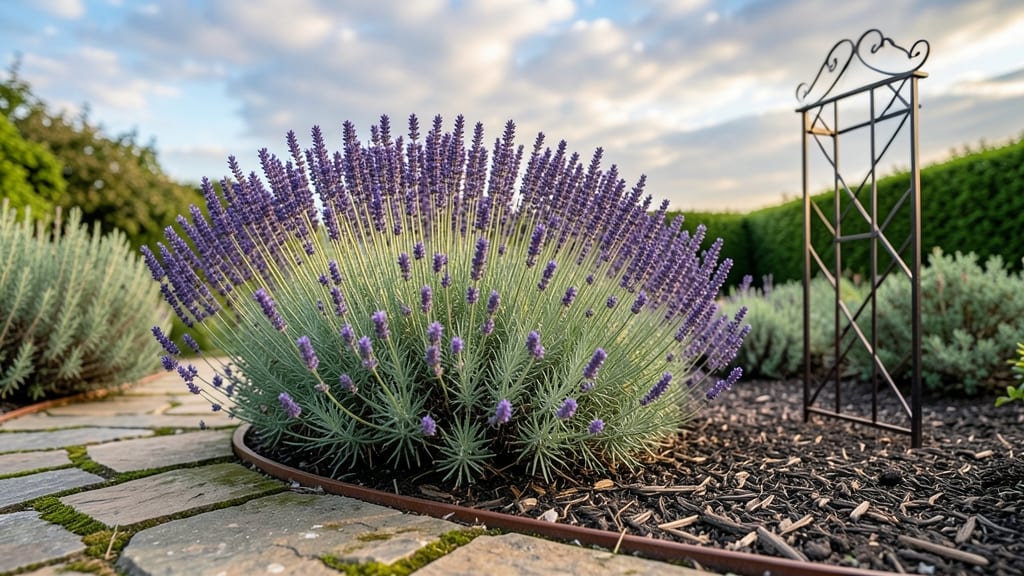
Creating flower garden design plans means blending seasonal color, pollinator support, and practical layouts. Start with a sun/shade analysis, select low-maintenance native perennials, and arrange plants in height layers for visual appeal while providing year-round nectar sources.
Great flower garden design plans begin with understanding your space's unique conditions—like sunlight patterns and soil quality—so you can choose plants that thrive naturally. 🌸 Native perennials like coneflowers or black-eyed Susans not only reduce upkeep but also support local ecosystems by offering food for bees and butterflies throughout the growing season.
The key is creating visual layers: tall grasses at the back, mid-height shrubs in the middle, and low-growing annuals in front, which adds depth and keeps your garden dynamic all year.
For example, a pollinator meadow layout might feature milkweed for monarchs in summer, while early spring bloomers like crocus provide food for emerging bees. This approach ensures your garden remains vibrant and ecologically valuable, no matter the season.
💡 In This Article
- Key Principles for Pollinator-Friendly Flower Gardens
- 5 Proven Flower Garden Layouts for Seasonal Interest
Key principles for pollinator-friendly flower gardens
Pollinators like bees, butterflies, and hummingbirds rely on a steady supply of nectar and pollen, which is why seasonal bloom timing is critical. Plants that flower at different times—early spring, summer, and fall—create a continuous food source.
For example, bee balm blooms in midsummer, while goldenrod provides late-season sustenance. This strategy mimics natural ecosystems where diverse species ensure survival through changing seasons.
The science behind this involves phenology, the study of seasonal plant life cycles. Bees, for instance, need at least 10-15 different flowering plants in a garden to thrive, as each species has specific nutritional needs.
Hummingbirds, meanwhile, prefer tubular flowers like salvia or columbine, which they can access easily. Choosing native plants ensures they’ve co-evolved with local pollinators, making them more efficient food sources.
Plant selection also impacts biodiversity. Non-native invasives can disrupt ecosystems by outcompeting native species, while native perennials support local wildlife. For instance, purple coneflower in the Midwest or California poppies in arid climates thrive with minimal water and attract countless pollinators.
These plants often have deep roots, improving soil health and reducing erosion.
Layering plant heights creates habitat diversity, offering shelter and nesting sites. Tall sunflowers (6-12 feet) provide shade for smaller insects, while low-growing creeping thyme offers ground cover.
This vertical structure mimics wildflower meadows, where pollinators can move freely between food sources. A well-layered garden also reduces competition for sunlight and water.
Color plays a subtle but important role too. Blue and purple flowers (like lavender) attract bees, while red and orange blooms (like bee balm) lure hummingbirds.
Planting in clusters of 3-5 feet ensures pollinators can efficiently forage. The scent matters too—strongly fragrant flowers like honeysuckle signal rich nectar sources from a distance.
Finally, avoid pesticides, which can harm pollinators. Many gardeners use neem oil or soapy water sprays instead. Even small changes—like leaving some "wild" areas—can make a big difference.
A 10% increase in pollinator-friendly plants in a garden can double local bee populations, creating a ripple effect for the entire ecosystem. 🌿