
Flowers
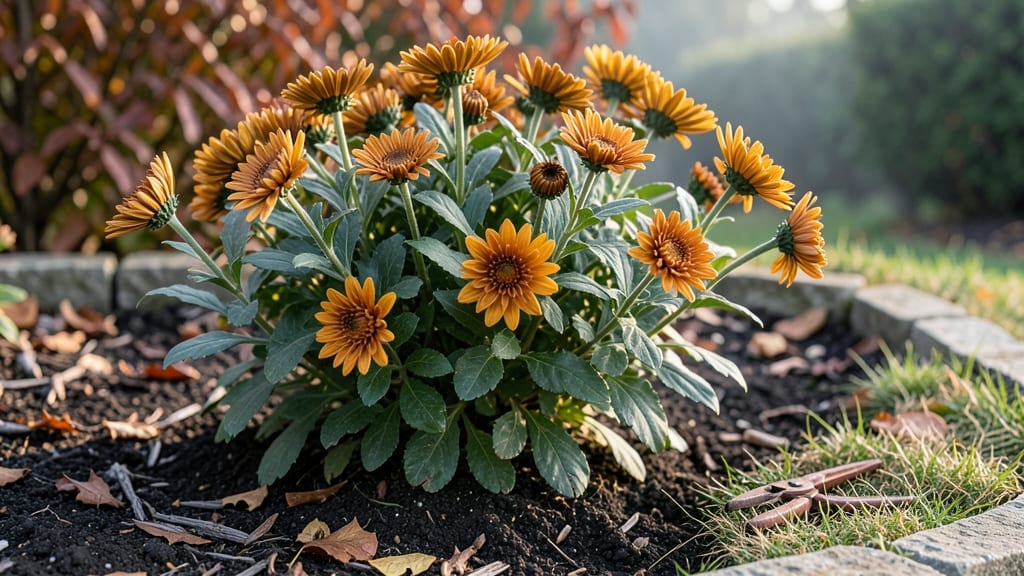
Fall-colored flowers are the secret weapon for gardens that refuse to surrender their beauty when temperatures drop. 🌿 I used to think autumn meant faded beds, but after adding just a few late-season bloomers, my garden stayed vibrant longer than ever—some even rebloom in spring.
The key is selecting varieties that thrive in cooler weather, like chrysanthemums, asters, and ornamental kales, which turn crispy edges into edible art.
You don’t need a green thumb to pull this off—just a sunny spot, well-draining soil, and a watering can. Most fall flowers prefer 6-8 hours of sunlight daily and tolerate light frosts, so they’re perfect for late-season planting.
Start with established plants from nurseries in early September, or sow seeds of hardy varieties like Black-eyed Susans or Goldenrod for next year’s show. The payoff? A garden that feels like a living painting when neighbors are already putting theirs to bed.
These flowers do more than look stunning—they attract pollinators right up until winter’s first freeze. Imagine bees sipping from purple coneflowers while your crimson mums glow against golden grass. The scent alone—honeyed, earthy, or slightly spicy—makes fall mornings feel like a cozy ritual.
Plus, many varieties hold their color in dried arrangements, so you can extend the season indoors too.
From cottage gardens to modern landscapes, fall blooms adapt to any style. Try layering deep red salvias with silver-blue asters for drama, or mix in ornamental grasses for texture.
The best part? Many of these plants return year after year, making them a low-maintenance investment. Ready to keep your garden alive with color? Let’s get planting.
📚 In This Guide
- What you need
- Instructions
- Tips and common mistakes
- Wrapping up and next steps
What you need
- ● Fall-blooming flower varieties: Chrysanthemums (10–20 plants, depending on display size)
- ● Mums (spray or pompon types, 5–10 plants)
- ● Asters (New England or Michaelmas daisies, 5–8 plants)
- ● Goldenrod (5–7 plants for pollinator appeal)
- ● Sedum (Autumn Joy or ‘Angelina’, 3–5 plants)
- ● Ornamental kale or cabbage (3–5 plants for foliage contrast)
- ● Soil amendments: Compost (5–10 gallons, well-aged)
- ● Slow-release fertilizer (10-10-10 or organic options like fish emulsion)
- ● Mulch (straw or shredded leaves, 2–3 inches)
- ● Containers or garden space: Garden beds (6" deep minimum for perennials)
- ● Pottery or fabric pots (10–14" diameter, 1–2 per plant)
- ● Hand trowel or transplant spade
- ● Pruning shears (for deadheading or shaping)
- ● Garden gloves (1 pair, heavy-duty for protection)
- ● Watering can or hose with adjustable nozzle
- ○ pH testing kit (optional but helpful for soil prep)
- ● Floral wire or tape (for arranging bouquets)
- ● Scissors (sharp, for cutting stems)
- ● Decorative accents (pumpkins, gourds, or autumn-themed planters)
- ● Lightweight spray (for preserving cut flowers, 4–8 oz bottle)
How to design a stunning fall flower garden that thrives all season
Here's how to create a vibrant fall display using seasonal favorites that keep blooming until frost.
🌿 Step 1: Select the Right Fall-Blooming Varieties
Choose plants with long bloom times and rich autumnal hues. Mums (Chrysanthemum) in deep burgundy or gold provide bold color, while asters (Symphyotrichum) in shades of purple and pink add height. Don't overlook ornamental kale and pansies—they thrive in cooler weather and add texture. I always include 3-4 varieties to ensure continuous blooms from September through November.
For 4 plants, select a mix of 2 mums, 1 aster, and 1 ornamental grass like fountain grass (Pennisetum). This combination ensures vertical interest and a layered look. Check each plant’s USDA hardiness zone to confirm it suits your climate—some varieties handle light frosts better than others.
☀️ Step 2: Plan Your Layout for Seasonal Impact
Place taller plants like asters and ornamental grasses at the back of the bed, while mums and pansies go in the front. This creates depth and ensures no flowers get shaded out as they grow. I space plants 12-18 inches apart to allow airflow, which prevents fungal diseases like powdery mildew that thrive in fall humidity.
Add mulch around the base of each plant to retain moisture and regulate soil temperature. A 2-inch layer of shredded bark mulch works best—it breaks down slowly and enriches the soil as it decomposes. Avoid piling mulch against stems, as this can trap moisture and cause rot.
💧 Step 3: Water Deeply and Adjust for Cooler Weather
Water deeply once a week in the morning to give roots time to absorb moisture before evening. Fall mornings are cooler, so soil dries more slowly than in summer—check the top 2 inches of soil with your finger before watering. Overwatering now can lead to root rot, especially in containers.
Fertilize lightly with a balanced, slow-release fertilizer (like 10-10-10) when you plant to support early growth. Skip heavy feeding in late fall, as new growth won’t harden off before frost. Instead, focus on keeping the soil moist and the plants healthy until the first freeze.
✂️ Step 4: Deadhead and Prune for Extended Blooms
Remove spent blooms weekly to encourage new flowers. For mums, pinch back stems by half their length after the first flush of blooms to promote bushier growth. This is the key to getting a second round of flowers in late fall. I use clean, sharp pruners to avoid damaging stems.
Watch for signs of stress—yellowing leaves often mean the plant needs more light or less water. If you notice pale, leggy growth, move the plant to a sunnier spot immediately. Fall light levels drop quickly, and without enough sun, flowers will fade faster.
🪴 Step 5: Protect Plants from Early Frost
When nighttime temperatures dip below 40°F, cover tender plants with frost cloth or a lightweight blanket. Secure the edges with rocks or stakes to prevent wind from tearing the fabric. Remove covers during the day to allow sunlight and airflow. This simple step can extend your blooming season by 2-3 weeks.
For container plants, move them to a sheltered spot like a porch or garage during cold snaps. Grouping pots together creates a microclimate that retains warmth. If a plant shows signs of frost damage—blackened leaves or mushy stems—trim back the affected parts and compost them to prevent disease spread.
Tips & tricks for perfect fall colored flowers
A few strategic choices can transform your fall garden from ordinary to extraordinary—here's what I've learned after years of trial and error.
Variety Selection: Don't just pick plants based on color—focus on bloom duration and hardiness. For example, 'Autumn Joy' mums produce their best second flush when planted in full sun with well-draining soil. I've found that pairing them with 'October Skies' asters creates a stunning vertical contrast that lasts until hard frost. The key is selecting varieties with staggered bloom times so you're never without color.
Light Requirements: Fall light levels drop dramatically, so position your plants carefully. Mums and pansies need at least 6 hours of sunlight daily, while ornamental grasses tolerate partial shade. I always place my tallest varieties (asters and grasses) where they won't cast shadows over shorter plants. A simple trick: Observe your garden's light patterns at the same time each morning to identify sunniest spots.
Seasonal Pruning: The weekly deadheading in Step 4 is crucial, but timing matters most. For mums specifically, wait until the first flush of blooms begins to fade before pinching back stems. This ensures you're not removing potential flower buds. I use clean pruners and make cuts at a 45-degree angle just above a leaf node to encourage bushier growth. This technique can extend your blooming season by 3-4 weeks.
Frost Protection Strategy: When temperatures dip below 40°F, I've developed a layered approach to frost protection. First, I cover tender plants with frost cloth secured with landscape pins, then add a second layer of lightweight row cover if temperatures are forecast to drop below 30°F. The secret is removing covers during daylight hours to prevent overheating—this simple adjustment can extend your blooming season by 2-3 weeks while preventing stress on the plants.
Pro Tips for Fall Colored Flowers
- A few strategic choices can transform your fall garden from ordinary to extraordinary—here's what I've learned after years of trial and error.
- Variety Selection: Don't just pick plants based on color—focus on bloom duration and hardiness.
- Light Requirements: Fall light levels drop dramatically, so position your plants carefully.
Frequently asked questions
When do fall-colored flowers typically bloom?
Most fall-colored flowers start blooming in late summer (August) and peak through October, depending on your climate. Mums and aster flowers are early bloomers, while crocus and fall anemones often appear later. Cooler regions may see earlier blooms, while warmer areas might extend the season into November.
Can I grow fall flowers in containers?
Many fall favorites, like pansies and calendula, thrive in containers. Use well-draining soil and ensure pots have drainage holes. Just be mindful of frost—bring tender varieties indoors or use frost cloths when temperatures drop below 40°F (4°C).
What’s the best way to extend their blooming season?
Deadhead spent blooms regularly to encourage new growth. Mulch around the base to retain moisture and protect roots. For potted flowers, trim back leggy stems and fertilize lightly with a balanced, water-soluble formula every 3–4 weeks. Pro tip: Grouping flowers with similar water needs together helps maintain consistency!
How do I protect fall flowers from early frost?
Most hardy fall flowers can handle light frost, but tender varieties need protection. Cover plants with frost cloth or a lightweight blanket when temperatures dip below 32°F (0°C). Water thoroughly before frost to help insulate roots. Avoid using plastic, which can trap moisture and damage plants.
Are there any low-maintenance fall flowers?
Yes! Russian sage, black-eyed Susans, and sedum are drought-tolerant and require minimal care. Ornamental grasses like maiden grass also add color with almost no upkeep. These options are perfect for busy gardeners or beginners looking for effortless autumn beauty.
Wrapping up and next steps
Fall isn’t just about cozy sweaters and pumpkin spice—it’s also the season to celebrate vibrant, long-lasting flowers that bring warmth to your space! From fiery mums to deep burgundy salvias, these blooms prove beauty thrives even as temperatures drop.
Whether you’re a seasoned gardener or a newbie, embracing fall flowers is an easy way to extend your garden’s magic.
Ready to dive in? Start by picking just one or two varieties to try—maybe a classic pumpkin vine or a bold anemone. Then, share your progress or favorite finds with us @YourGardenName! 🌿✨ Your garden’s autumn glow is just a bloom away.