
Shrubs
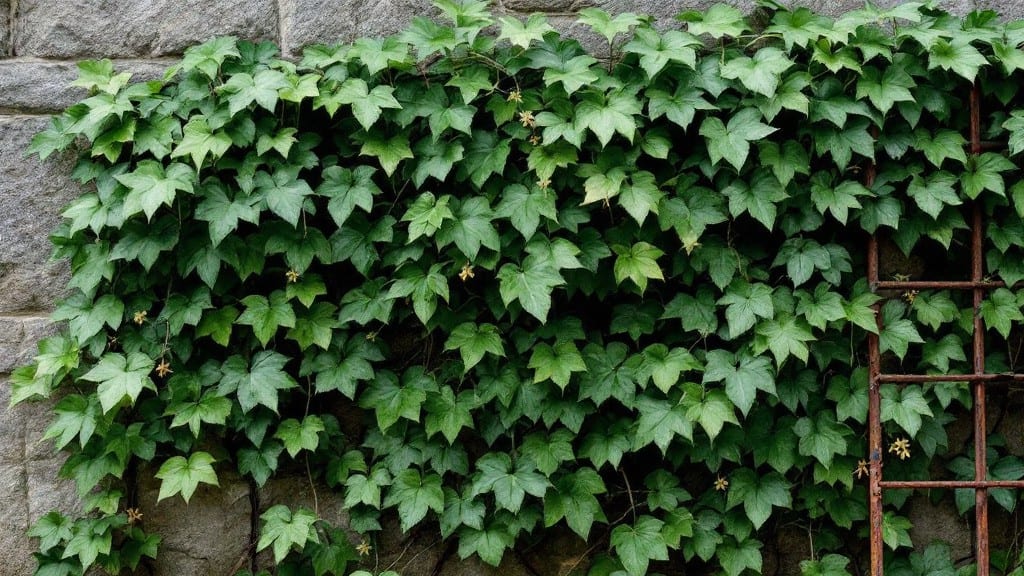
English ivy flowering isn’t just possible—it’s a stunning reward when you prune like a pro. 🌿 I’ve watched my own vines transform from lush green walls into cascades of tiny yellow-green flowers (and those glossy black berries that birds adore), and the secret lies in how you shape the growth.
Most gardeners assume ivy flowers only in perfect conditions, but with the right cuts, you can coax blooms nearly year-round.
The key starts with light—ivy needs 6+ hours of sun daily to flower, though it tolerates shade. Well-draining soil (amend with compost if yours is heavy clay) and moderate watering keep roots happy without encouraging leggy, non-flowering growth.
Pruning isn’t just about aesthetics: cutting back 1/3 of the vine in early spring signals the plant to focus energy on flowers, not just foliage. Varieties like Hedera helix ‘Glacier’ or ‘Sagittifolia’ are especially reliable bloomers.
By summer, you’ll spot those delicate flower clusters forming where new growth meets old wood—proof the pruning worked. The berries that follow aren’t just pretty; they’re a wildlife magnet for birds and squirrels.
Just be ready to protect them if you’re not growing ivy for its ecological benefits. With consistent care, your ivy will keep flowering for decades, turning walls and trellises into living art.
Works for both container ivy and sprawling ground covers, though container plants need larger pots (15+ gallons) to support heavy flowering. The same rules apply whether you’re in Zone 5 or 9—just adjust watering for drought or humidity.
Let’s get those pruners out and turn your ivy into a blooming powerhouse.
📚 In This Guide
- What you need
- Instructions
- Tips and common mistakes
- Wrapping up and next steps
What you need
- ● Healthy English ivy plant (preferably mature, 3+ years old for better blooming potential). Look for Hedera helix varieties like 'Glacier' or 'Ivalace' for vibrant flowers.
- ○ Pruning shears – Bypass pruners (sharp, clean blades, 5-7" size) for precision cuts. Optional: Loppers (for thicker stems, 8"+).
- ● Gloves – Heavy-duty gardening gloves (to protect from sap and thorns).
- ● Disinfectant – 70% isopropyl alcohol or a pruning sealant (to prevent disease spread).
- ● Watering can or hose – With a gentle spray nozzle for post-pruning hydration.
- ● Fertilizer – Balanced, slow-release fertilizer (10-10-10 or 20-20-20) or organic options like composted manure or worm castings.
- ● pH test kit – To check soil acidity (ideal range: 6.0–7.5 for flowering).
- ● Mulch – Organic mulch (2–3 inches of shredded bark or pine needles) to retain moisture and regulate temperature.
- ● Sunlight meter or app – To confirm your ivy gets 4–6 hours of indirect sunlight daily (critical for blooms!).
- ○ Support structure (optional) – Trellis, lattice, or stakes if training ivy vertically for better airflow.
- ● ✅ Timing: Prune after flowering (late summer/early fall) or early spring before new growth. Avoid winter pruning!
- ● ✅ Weather: Choose a dry, overcast day to reduce stress on the plant.
- ● ✅ Knowledge: Familiarize yourself with ivy’s growth habits—it flowers on old wood, so avoid cutting back too aggressively!
Step-by-Step pruning guide for English ivy flowering
Here's how to coax vibrant blooms from your ivy—no fancy tools, just sharp cuts and patience.
✂️ Step 1: Identify and Remove Dead or Diseased Growth
Start by inspecting your ivy for any brown, crispy stems or yellowed leaves—these are dead zones that drain energy from potential blooms. Grab your sterilized pruning shears and make clean cuts just above a leaf node or healthy growth point. Never leave stubs; ivy can't regenerate from them. I always work on a dry day because wet foliage makes cuts messy and invites infection.
Focus on stems that look hollow or mushy when squeezed—these won't recover and are stealing nutrients from flowering buds. If you find black spots or powdery residue, that's fungal activity. Toss those stems immediately and disinfect your shears with rubbing alcohol between cuts. This step ensures your plant directs all its energy toward new, healthy growth—and eventually, those showy flowers.
🌿 Step 2: Thin Out Overcrowded Areas
English ivy flowers best when it gets good airflow—crowded stems compete for sunlight and nutrients, leaving little for blooms. Look for areas where vines grow in dense clusters. Using your pruning shears, make angled cuts about ¼ inch above a leaf node to encourage outward growth. I like to step back every few cuts to visualize the plant's structure—you're sculpting, not just hacking.
Remove about 30% of the total growth in this step. If you're unsure, err on the side of less—ivy bounces back surprisingly well. Watch for where sunlight hits the plant; those spots are prime candidates for thinning. You'll see new shoots emerge within 2-3 weeks as the plant responds to the reduced competition. This opens up the canopy, letting more light reach the lower stems where flower buds often form.
☀️ Step 3: Encourage Flowering with Strategic Cuts
English ivy blooms on new growth, so you want to stimulate vigorous spring and summer shoots. After thinning, focus on cutting back any overly long vines to about 6-8 inches from the main stem. Make these cuts just above a set of leaves that face outward. This creates a bushier plant with more surface area for sunlight absorption—and more potential bloom sites.
Here's the thing—ivy responds to stress by flowering. By pruning back 25-30% of the plant's total volume, you're essentially telling it, "Hey, focus on quality over quantity." You'll notice new growth within 3-4 weeks that's thicker and greener than before. Pay special attention to the tips of branches; these are where flower clusters often develop. If you see small green buds forming, leave those stems alone—they're your future blooms.
⏰ Step 4: Time Your Pruning for Optimal Blooms
For year-round flowering, time your major pruning just after the plant finishes blooming in late spring or early summer. This gives it time to recover and set new buds before winter. If you're in a warmer climate, you can do a light pruning in early fall to encourage a second flush of flowers before the cooler months. I always avoid heavy pruning in late fall or winter—ivy needs its energy reserves for spring growth.
After your final pruning of the season, give the plant a light feeding with balanced fertilizer (10-10-10 ratio) to support root development over winter. You'll see the difference next spring when your ivy bursts into leafy green growth—and hopefully, those delicate flower clusters you've been waiting for. Keep an eye out for new shoots emerging from the base; these are often the most vigorous and likely to flower.
💧 Step 5: Post-Pruning Care for Maximum Blooms
Water deeply right after pruning to help the plant recover. Ivy has shallow roots, so aim for 1-2 inches of soil moisture in the top layer. You'll know it's right when water runs out the drainage holes but the surface isn't soggy. Avoid getting water on the cut stems—this can lead to rot. Instead, water at the base and let the plant drink up through its roots.
Now, here's where patience pays off: resist the urge to prune again for at least 6-8 weeks. Let the new growth establish itself. You'll see tiny flower buds forming in the leaf axils (where the leaf meets the stem) in about 8-10 weeks after pruning. These are your reward for the work you've done. Keep the soil consistently moist but not waterlogged, and provide morning sun with afternoon shade—this balance encourages both lush foliage and abundant blooms.
Tips & tricks for perfect English ivy flowering
A few strategic techniques can transform your ivy from a leafy green wall into a flowering powerhouse. Here's what I've learned after years of trial and error with my own plants.
The Pruning Shear Secret: Sterilization is non-negotiable between cuts. I keep a small bottle of rubbing alcohol handy and wipe my shears after every 3-4 cuts, especially when dealing with diseased stems. This prevents cross-contamination that can spread fungal spores throughout your plant. In Step 1, when you're removing dead growth, take an extra moment to clean your tools—it's the difference between healthy new blooms and another round of infections.
Visual Pruning Cues: In Step 2, when thinning overcrowded areas, look for stems that grow directly into the center of the plant. These are your prime targets for removal. The ¼ inch above a leaf node rule creates perfect branching points—imagine drawing a line from the cut to where you want new growth to emerge. I like to make my cuts at a 45-degree angle for this reason; it provides more surface area for new shoots to develop.
Stress-Induced Blooming: The 25-30% volume reduction in Step 3 isn't arbitrary—it's the sweet spot for triggering flowering. Ivy perceives this as stress and responds by producing more flowers. After making these cuts, I always step back to visualize the plant's new structure. You should see light filtering through where dense clusters used to be. This airflow isn't just about aesthetics; it prevents fungal issues that can kill flower buds before they open.
Seasonal Timing: For late spring/early summer pruning (Step 4), mark your calendar for 2-3 weeks after your last frost date. This gives your ivy enough warm weather to recover before winter. In warmer climates, that fall light pruning I mentioned? Do it in early October—late enough to avoid winter stress but early enough for a second bloom cycle before cooler weather sets in.
Pro Tips for English Ivy Flowering
- A few strategic techniques can transform your ivy from a leafy green wall into a flowering powerhouse.
- The Pruning Shear Secret: Sterilization is non-negotiable between cuts.
- Visual Pruning Cues: In Step 2, when thinning overcrowded areas, look for stems that grow directly into the center of the plant.
Frequently asked questions
Got questions about English ivy flowering?
You’re not alone! Here are answers to the most common queries—from curious gardeners and pruning pros alike.
Does English ivy even flower?
Yes! While rare, English ivy (Hedera helix) can produce small, fragrant flowers in late summer to fall—if conditions are just right. These tiny, greenish-yellow blooms are more common in mature plants with ample sunlight and good air circulation. Pro tip: If you’re growing it for flowers, prioritize a sunnier spot (6+ hours of light) and avoid overcrowding.
When should I prune to encourage flowering?
Prune after flowering (late fall or early winter) to avoid cutting off next year’s blooms. Lightly trim leggy growth in early spring to promote bushier, healthier foliage—this indirectly supports flowering by improving airflow. Warning: Avoid heavy pruning; ivy flowers are delicate and may not rebloom if you’re too aggressive.
What’s the best alternative if my ivy won’t flower?
If your English ivy stays flower-free, try these Hedera varieties known for better blooming:
- Hedera helix ‘Gloire de Marengo’ – Classic choice with reliable flowers.
- Hedera helix ‘Sulphur Heart’ – Variegated leaves + higher flower production.
- Hedera canariensis – Tropical ivy with more frequent blooms (hardier in warm climates).
Bonus: Add a trellis or wall for support—climbing ivy often flowers more prolifically when vertical!
Why did my ivy’s flowers turn brown and drop?
Brown, wilting flowers are usually a sign of stress. Check for:
- Underwatering (ivy needs consistent moisture, especially in pots).
- Overcrowding (fungal issues like powdery mildew thrive in dense foliage).
- Pests (aphids or spider mites sap energy from blooms).
Solution: Trim affected stems, improve airflow, and treat pests with neem oil if needed.
Can I force English ivy to flower indoors?
Indoor ivy (Hedera helix) rarely flowers unless it’s a mature plant in bright, indirect light (like a sunroom). For best results:
Reality check: Even with care, indoor ivy flowers are a rare treat—prioritize foliage for lush greenery!
Wrapping up and next steps
English ivy may not be the flashiest climber, but with the right care—like strategic pruning, proper sunlight, and a little patience—you can coax those adorable yellow-green blooms to appear year-round! 🌿✨ Remember, the key is balancing growth and maintenance while keeping your plant happy and healthy.
Ready to transform your ivy into a blooming beauty? Start small: pick one technique from this guide—whether it’s pruning, fertilizing, or adjusting light—and observe how your plant responds. Soon, you’ll be rewarded with lush foliage and those charming flowers!