
Blooming
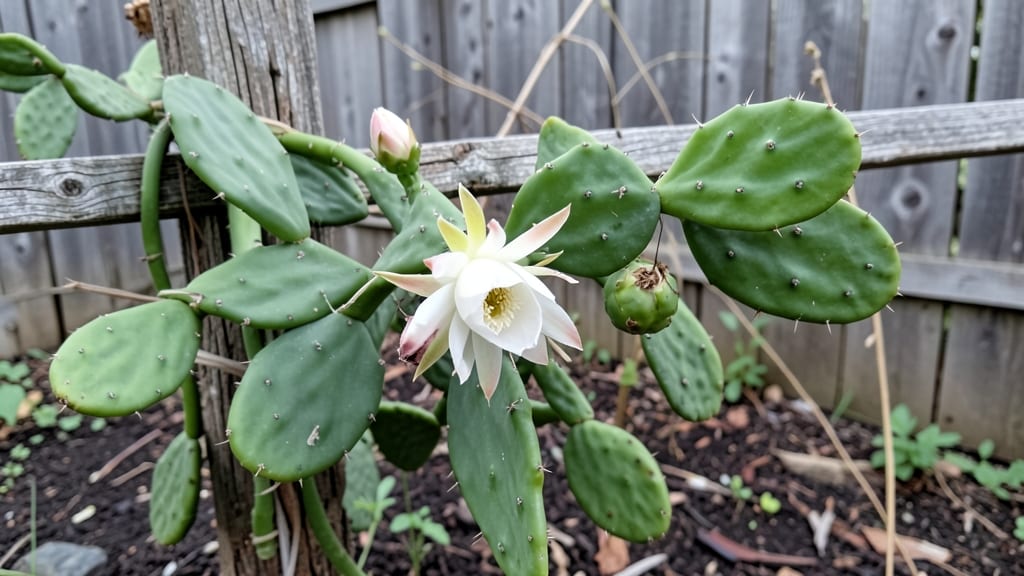
Dragon fruit flowering stages reveal whether your 🐉 plant is about to reward you with fruit—or just show off pretty blooms. If you’ve ever watched your dragon fruit vine burst into white flowers only to see them drop without a trace, you’re not alone.
Those night-blooming flowers aren’t all the same: some are male, some female, and others sterile. Knowing the difference is the key to pollination success, and it starts with recognizing their unique shapes and timing.
In tropical climates like Phoenix (Zone 9b) or year-round in Zones 10-12, your dragon fruit should start flowering after 2-3 years. But without the right care—like proper humidity, temperature, and even a little help from you—those blooms might never turn into fruit.
Here’s how to spot each stage, when to step in for pollination, and the common mistakes that keep your plant from fruiting. Let’s turn those flowers into a harvest.
Dragon fruit flowering stages: how to identify male, female, and sterile blooms
Dragon fruit plants (Hylocereus spp.) produce three distinct flower types—male, female, and sterile—each playing a unique role in fruit production. Knowing how to identify these blooms is essential for maximizing your harvest, especially in areas with limited natural pollinators like moths.
The female flowers are your golden ticket to fruit, while male flowers support pollination, and sterile blooms simply add beauty without function.
Dragon fruit flowers bloom at night, typically opening between 8 PM and 10 PM and lasting just 24-36 hours. They’re stunning—white with vibrant pink or red stripes—and emit a sweet, fragrant aroma to attract pollinators.
However, their short lifespan means you’ll need to act quickly if you’re hand-pollinating. The key to success lies in recognizing these blooms early, as their characteristics differ subtly but critically.
| Type | Physical Characteristics | Function | Pollination Role | Fruit Potential |
|---|---|---|---|---|
| Male | Smaller petals, 6-8 stamens with yellow pollen, no central structure | Produces pollen to fertilize female flowers | Essential for pollination but no fruit | None |
| Female | Larger petals, prominent central cone (stigma), no stamens | Receives pollen to develop fruit | Critical for fruit—must be pollinated | High (1-3 fruits per flower) |
| Sterile | Medium-sized, no stamens or stigma, petals may be less vibrant | No reproductive function; ornamental only | None—no pollination or fruit | None |
The male flowers are the easiest to spot if you’re looking for pollen production. They’re slightly smaller than female blooms and feature 6-8 prominent stamens topped with yellow pollen. These flowers don’t produce fruit but are vital for pollinating the female blooms.
If you’re growing dragon fruit in a container or an area with few pollinators, you’ll need to transfer pollen from male to female flowers manually.
Female flowers, on the other hand, are the fruit-bearing stars of your dragon fruit plant. They’re larger and more robust, with a distinct central cone where pollen lands to fertilize the ovary.
This cone is your clue that the flower can develop into fruit—if pollinated correctly. Look for these blooms to swell slightly at the base after pollination, signaling the start of fruit formation.
Sterile flowers can be confusing because they resemble female blooms at first glance but lack the critical reproductive structures. Without stamens or a stigma, they won’t produce fruit or support pollination.
These blooms are common in younger plants or those under stress, so don’t be discouraged if you see more of these early on. Focus on encouraging female and male flowers by optimizing your plant’s care.
Timing is everything when it comes to dragon fruit flowering. Most plants begin producing blooms 2-3 years after planting, but this can vary based on climate, variety, and care.
In USDA Zones 10-12, flowering typically peaks in spring and fall, while in cooler zones like Zone 9b (Phoenix), winter planting can trigger earlier blooms. Pay attention to your plant’s growth cycle—healthy vines with 5-7 feet of growth are more likely to flower.
To encourage more female flowers, prioritize balanced fertilization with a focus on potassium-rich feeds during the growing season. Dragon fruit plants thrive with 6+ hours of sunlight daily and well-draining soil.
If your plant is struggling to flower, check for overwatering, nutrient deficiencies, or insufficient light. Adjusting these factors can make a dramatic difference in bloom production.
Once you’ve identified your female flowers, the next step is pollination. Since dragon fruit flowers open at night, you’ll need to act quickly in the morning to transfer pollen before the blooms wilt.
Use a soft paintbrush or cotton swab to gently collect pollen from male flowers and apply it to the central cone of female blooms. This simple step can double your fruit yield if done consistently.
Keep an eye out for failed pollination, which often results in flowers that drop off without forming fruit. If you notice this happening, it’s a sign that either pollination wasn’t successful or your plant is stressed.
In such cases, revisit your watering schedule, sunlight exposure, and fertilization to create optimal growing conditions. With patience and attention to detail, your dragon fruit plant will reward you with vibrant, sweet fruit in no time.
🌱
Step-by-step guide: pollinating dragon fruit flowers for fruit development
Dragon fruit plants rely on hand-pollination when natural pollinators like bats or moths aren’t available. Without this step, your female blooms will wilt without producing fruit. The good news? Pollinating dragon fruit flowers is simple once you know the right timing and technique.
I’ll walk you through everything you need, from tools to the exact moments to act for maximum success.
First, confirm your plant is ready: female flowers appear as large, white blooms with a thick, green ovary at the base. These are the ones you’ll focus on pollinating.
Male flowers, which have narrow stamens but no ovary, won’t produce fruit. Now, let’s get to the step-by-step process—where timing and precision matter most.
How to Hand-Pollinate Dragon Fruit Flowers
- Step 1: Wait for the Right Time
Pollinate female flowers on their second night of blooming. Dragon fruit flowers open at night and close by midday. Use a flashlight to check blooms after dark—look for fully open flowers with bright white petals.
- Step 2: Gather Your Tools
You’ll need:
- A soft paintbrush or cotton swab (sterilized with rubbing alcohol)
- A magnifying glass (optional, for close-up viewing)
- A notebook to track pollinated flowers
- Step 3: Collect Pollen from Male Flowers
Gently brush the stamens of a male flower (identifiable by its long, tubular shape) with your tool. The pollen will stick to the brush. Avoid touching other parts of the plant to prevent contamination.
- Step 4: Transfer Pollen to Female Flowers
Dip the pollen-covered brush into the stigma (the yellow, cone-shaped center) of a female flower. Repeat for 3-5 female blooms per male flower to ensure coverage. Work quickly—pollen loses potency after 30 minutes.
- Step 5: Mark Pollinated Flowers
Use a waterproof marker to label the stem of each pollinated female flower with the date. This helps you monitor fruit development and avoid over-pollinating the same plant.
- Step 6: Repeat Daily During Blooming Season
Dragon fruit plants bloom year-round in warm climates but peak in spring and fall. Check for new flowers every 2-3 days and pollinate as needed. Consistency is key to a steady harvest.
Pro tip: If you’re in a cooler climate like Zone 9b, like Phoenix, pollinate in the evening when temperatures drop below 80°F. Heat stress can reduce pollen viability, so avoid midday pollination.
After pollination, female flowers will wilt within 24 hours, but don’t worry—this is normal! A small green fruit will begin forming at the base of the ovary. Over the next 3-4 months, the fruit will grow, change color, and eventually reach harvest readiness.
Keep an eye out for pests like fruit flies and use row covers if needed.
Remember, patience is key. Dragon fruit plants take 2-3 years to mature, and even then, not every pollinated flower will produce fruit. Track your success rate and adjust your pollination schedule based on what works best for your plant. With practice, you’ll become a pro at maximizing your harvest!