
Orchid Care
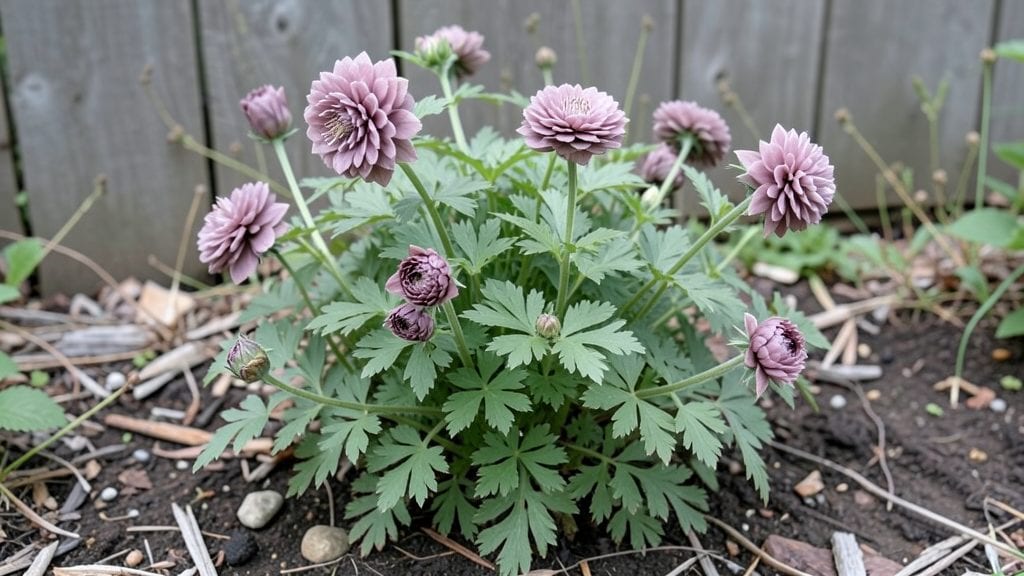
Cultivating double flowered columbine 🌸 transforms your garden from charming to showstopping, and the best part? You don’t need fancy seeds to get there.
If you love columbine but wish for those delicate blooms to burst into double-layered splendor, you’re not alone—many gardeners dream of cultivating double flowered columbine without resorting to hybrid seeds.
The good news? With the right techniques, you can coax your existing columbine plants to produce fuller, more dramatic flowers naturally.
This guide breaks down the three key factors that encourage double blooms: strategic pruning, soil enrichment, and light management. Whether you’re working with a single plant or a patch, these methods will help you maximize your columbine’s potential without genetic shortcuts.
From planting in USDA Zone 6a to deadheading for repeat blooms, you’ll learn how to nurture your columbine through spring’s ideal March-April window and beyond. Let’s turn those single flowers into lush, layered masterpieces.
How to encourage double blooms in columbine plants naturally
Columbine flowers are already stunning with their delicate petals and spurred nectar, but many gardeners long for those double flowered columbine varieties that boast layers of petals. The secret to achieving this naturally lies in understanding how to manipulate your plant's growth habits through simple, science-backed techniques.
Unlike hybrid seeds that guarantee double blooms, these methods focus on stress-inducing stimuli that encourage your columbine to produce fuller, more dramatic flowers.
Columbine plants naturally produce single blooms, but by applying targeted pruning, light adjustments, and soil amendments, you can trigger a response that mimics what hybridizers do genetically. The key is to stress the plant just enough to stimulate secondary flower buds without harming its overall health.
This approach works best with established plants that have already proven their vigor in your garden conditions.
Step-by-Step Guide to Double Blooms
-
Step 1: Late-Spring Pinching
In early to mid-May, when new growth appears but before buds form, pinch back the top 2-3 inches of each stem. This mimics the plant's natural response to crowding and triggers the production of secondary flower buds along the stems. Use clean, sharp pruners to avoid damaging the plant.
-
Step 2: Strategic Deadheading
Remove spent blooms by cutting the stem just above the first set of leaves below the flower. Unlike traditional deadheading, avoid cutting back too far—this encourages the plant to focus energy on producing larger, fuller blooms rather than new stems. Do this every 3-5 days during peak bloom.
-
Step 3: Adjust Light Exposure
Columbine thrives in partial shade (4-6 hours of sunlight), but to encourage double blooms, move plants to a location with morning sun and afternoon shade in hot climates.
This prevents stress from overheating while providing enough light for robust growth. If growing in containers, rotate them weekly for even light exposure.
-
Step 4: Soil Amendments for Bloom Boost
Amend your soil with 1 part compost to 3 parts native soil in early spring. Columbine responds well to a balanced fertilizer (5-10-10) applied lightly in March and again in early May.
Avoid high-nitrogen fertilizers, which promote leafy growth at the expense of flowers. A handful of bone meal around the base can also encourage fuller blooms.
-
Step 5: Controlled Water Stress
Allow the top 1-2 inches of soil to dry out between waterings in late summer. This mild drought stress triggers the plant to produce more compact, double-layered blooms as a survival mechanism.
Resume regular watering once new growth appears in spring. Always water at the base of the plant to avoid wetting the foliage, which can lead to fungal issues.
-
Step 6: Fall Pruning for Next Year
After the first frost, cut back all stems to 6 inches tall. This removes spent blooms and encourages the plant to develop a stronger root system over winter.
In early spring, new shoots will emerge with a higher likelihood of producing double or semi-double blooms if the previous year’s techniques were followed.
One of the most effective ways to encourage double blooms is by leveraging the plant's natural response to crowding. When columbine stems are pinched or pruned, the plant perceives it as a signal to produce more flowers per stem.
This is why late-spring pinching is critical—it mimics the natural competition for resources that occurs in dense plantings. For best results, combine this with the soil amendments and light adjustments outlined above.
It’s important to note that not every columbine plant will produce double blooms using these methods, but you’ll likely see a significant increase in semi-double or fully double flowers compared to untreated plants.
Varieties like 'Queen of Hearts' and 'Blue Bird' are more responsive to these techniques due to their natural tendency toward fuller blooms. Keep a garden journal to track which plants respond best to your methods, as environmental factors like humidity and temperature can influence results.
If you're growing columbine in containers, ensure the pot has adequate drainage and is large enough to accommodate the plant's mature size. Root-bound plants are more likely to produce double blooms because the restricted space forces the plant to focus energy on flowering rather than root expansion.
Repot every 2-3 years to refresh the soil and provide a slight boost to the plant's vigor.
For gardeners in warmer climates, provide afternoon shade to prevent the plants from becoming stressed by heat. Columbine can handle partial shade naturally, but excessive heat can reduce bloom size and quality.
A simple shade cloth or strategic placement near taller plants can make a noticeable difference in the fullness of your blooms.
Finally, be patient—it can take 1-2 growing seasons to see consistent double blooms using these natural methods. The first year may yield only a few semi-double flowers, but with each passing season, your columbine will become more responsive to your care techniques.
The reward of seeing those lush, layered blooms makes the effort well worth it! 🌸
Best columbine varieties for naturally double flowering potential
If you're dreaming of double flowered columbine with lush, layered petals, start with the right varieties. While no columbine is naturally double-flowered, certain cultivars like 'Queen of Hearts' and 'Blue Bird' show a stronger tendency toward fuller blooms when given ideal growing conditions.
These varieties often produce semi-double or double-like flowers with proper care and genetic encouragement.
The key to maximizing bloom fullness lies in selecting varieties with natural genetic predispositions toward larger flowers and combining them with techniques like light pruning and nutrient-rich soil. Let’s explore the top performers and how to coax them into their most dramatic form.
| Variety | Flower Color | Bloom Tendency | Height (ft) | Light Needs |
|---|---|---|---|---|
| 'Queen of Hearts' | Pink/white | Semi-double | 1.5-2 | Partial shade |
| 'Blue Bird' | Deep blue | Semi-double | 1-1.5 | Partial shade |
| 'Purple Splendor' | Purple | Double-like | 2-3 | Partial shade |
| 'McKana's Giant' | Multi-color | Semi-double | 2-3 | Partial shade |
*All varieties thrive in well-draining soil with moderate moisture.
'Queen of Hearts' stands out for its romantic pink-and-white blooms that often develop extra petal layers when grown in rich, organic soil. This variety is particularly responsive to early spring fertilization with a balanced 5-10-10 mix, which encourages larger, fuller flowers. Pair it with morning sunlight exposure to prevent heat stress, which can stunt bloom development.
'Blue Bird' is a compact choice perfect for container gardens or woodland edges. Its deep blue flowers naturally lean toward semi-double forms, especially when you pinch back leggy stems in early spring. This variety also benefits from mulching to retain moisture, which helps maintain consistent bloom quality throughout the season.
For the most dramatic results, try 'Purple Splendor', which often produces double-like flowers with minimal coaxing. This taller variety thrives in partial shade and responds well to deadheading spent blooms to redirect energy into new growth. Plant it near hostas or ferns to create a lush, layered garden display.
Remember, even the most double-flowered columbine varieties will need consistent care. Focus on well-draining soil, moderate watering, and seasonal pruning to encourage the fullest blooms possible. With patience, your columbine can transform from delicate to downright dramatic!