Watering
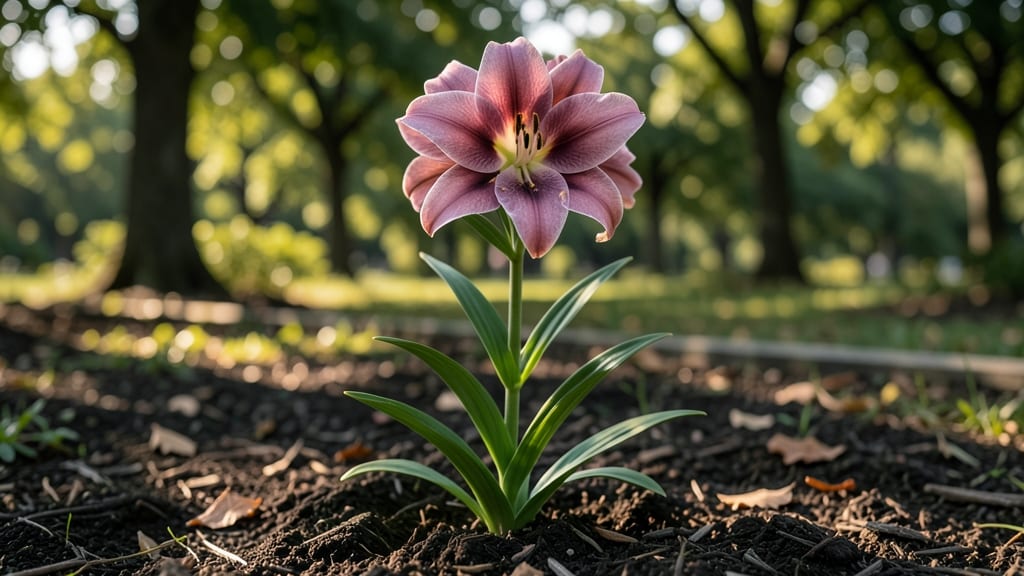
Double flowered lilies transform your garden into a showstopper with layers of petals that look like they were painted on. ✨ I’ve grown them for years, and the difference between a single bloom and these dramatic clusters is all in how you prune and care for them—especially after the first flush of flowers fades.
These beauties demand rich, well-draining soil and 6+ hours of sunlight daily, but they’re surprisingly low-maintenance once established. The key is watering deeply once a week (more in extreme heat) and fertilizing with a balanced formula every 4-6 weeks—skip the high-nitrogen stuff, or you’ll get leaves over flowers.
Double blooms also mean extra weight, so staking tall varieties early prevents flopping.
With the right pruning, you’ll coax second and even third blooms from the same stalk—something standard lilies can’t do. Snip spent blooms just above a leaf node, and watch new buds form within 2-3 weeks.
The foliage stays lush, and the fragrance? Unmatched. These aren’t just flowers; they’re the centerpiece your garden deserves.
They’re tougher than they look—resistant to most pests and diseases—but watch for aphids on new growth and botrytis blight in humid climates. A quick spray of neem oil or removing infected leaves keeps them thriving.
Perfect for borders, containers, or cutting gardens, these lilies repay effort with months of drama instead of just one showy season.
📚 In This Guide
- What you need
- Instructions
- Tips and common mistakes
- Wrapping up and next steps
What you need
- ● Double flowered lily bulbs: 5–10 bulbs (choose varieties like 'Stargazer,' 'Casa Blanca,' or 'Black Out' for bold blooms).
- ● Well-draining potting mix or garden soil: 2–3 cubic feet (amend with compost for fertility).
- ● Organic fertilizer: 5-10-10 or bulb-specific formula (1 tbsp per bulb at planting).
- ● Mulch: 2–3 inches of shredded bark or straw (retains moisture and regulates soil temp).
- ● Garden trowel or bulb planter: For digging holes (6" deep, 12" apart for spacing).
- ● Pruning shears or sharp scissors: Sterilized (70% isopropyl alcohol) for clean cuts.
- ● Watering can or hose with gentle nozzle: Avoid blasting bulbs.
- ○ Gloves (optional but recommended):strong> Protects hands from thorns and soil-borne pathogens.
- ● Sunlight: Full sun (6+ hours daily) for optimal blooming.
- ● Water access: Drip irrigation or consistent watering schedule (1–1.5 inches per week).
- ● Patience: Bulbs need 8–12 weeks to establish before first blooms! 🌱
- ● Epsom salt (1 tbsp per gallon of water) for magnesium boosts.
- ● Slow-release fertilizer spikes for continuous nutrition.
- ● Stakes or cages to support tall varieties (like 'Dragonfly').
Step-by-step pruning guide for double flowered lilies
Here's how to coax those lush, layered blooms from your double flowered lilies—no black thumb required.
🌱 Step 1: Identify and Remove Spent Blooms
Wait until the flowers fully fade and the petals begin to brown before pruning. This ensures the bulb stores energy for next season's growth. Using clean, sharp pruners, cut the flower stalk back to just above the first set of healthy leaves—about 6-8 inches from the base. Never cut into the bulb itself.
I always make the cut at a 45-degree angle to prevent water from pooling on the stem. This simple technique reduces rot risk dramatically. If you're dealing with multiple stems, prioritize the largest, healthiest ones first—they'll produce the most dramatic blooms next year.
✂️ Step 2: Thin Overcrowded Foliage
After blooming, double flowered lilies often produce multiple shoots from the same bulb. If you have more than 3-4 strong stems emerging from a single bulb, select the thickest, straightest stems and prune the rest at the base. This redirects the bulb's energy into fewer, stronger blooms rather than weak, scattered ones.
Use your fingers to gently twist off unwanted stems rather than cutting—this minimizes stress on the bulb. Watch for stems that grow at odd angles or appear thin and leggy; these are the first to go. You'll see the remaining stems thicken noticeably within 2-3 weeks as they recover.
💧 Step 3: Deadhead and Fertilize for Next Season
Once all blooms have faded and the foliage begins yellowing, cut back the entire stalk to 4-6 inches above ground level. This prevents the plant from wasting energy on seed production. Immediately after pruning, apply a balanced 10-10-10 fertilizer around the base—double flowered lilies are heavy feeders and need nutrients to rebuild for next year.
Water deeply after fertilizing to help the roots absorb nutrients. You'll notice new growth emerging from the base within 3-4 weeks if conditions are right. This is your signal that the bulb is storing energy for next season's dramatic blooms.
☀️ Step 4: Prepare for Dormancy
When foliage turns completely yellow and begins to die back, stop watering entirely. This signals the bulb to enter dormancy, which is critical for double flowered lilies. Remove all dead leaves and stems, but leave the bulb in the ground—digging up lilies after blooming stresses them unnecessarily.
Mulch lightly with 2-3 inches of organic mulch to protect the bulb over winter. In colder climates, add an extra 4-6 inches of mulch to insulate the bulb. You'll see fresh shoots emerge in early spring—this is when you know your pruning paid off.
Tips & tricks for perfect double flowered lily pruning
These game-changing insights will transform your double flowered lilies from one-season wonders into repeat blooming stars.
Timing is Everything: The key to dramatic blooms lies in patience—never prune until flowers are completely faded and petals have turned brown. I've learned the hard way that cutting too early sends mixed signals to the bulb, wasting precious energy reserves. For maximum impact, wait until the blooms look like dried paper before making your cuts at the 6-8 inch mark above healthy leaves. This ensures the bulb stores all its energy for next season's showstopper blooms.
Precision Cutting Technique: That 45-degree angle isn't just decorative—it's a rot-prevention strategy. The angled cut prevents water from pooling on the stem, dramatically reducing fungal risks. I always sterilize my pruners with rubbing alcohol between cuts to prevent disease transmission. For multiple stems, prioritize the thickest, straightest ones first—they'll deliver the most spectacular blooms next year.
Energy Redirection Strategy: When you see more than 3-4 stems competing from one bulb, you're watching energy get diluted. The solution? Twist off weaker stems at the base rather than cutting—the bulb perceives this as less traumatic. You'll notice the remaining stems thicken noticeably within 2-3 weeks as they redirect all that stored energy into fewer, stronger growth points. This is when you know you're on the right track.
Fertilizer Timing Secret: The 3-4 week window after deadheading is prime time for nutrient absorption. I've found that applying a 10-10-10 fertilizer immediately after pruning gives the bulb exactly what it needs to rebuild. The deep watering that follows helps dissolve the fertilizer, making those nutrients immediately available to the roots. This is when you'll start seeing those promising new shoots emerge from the base—your reward for proper pruning.
Pro Tips for Double Flowered Lily
- These game-changing insights will transform your double flowered lilies from one-season wonders into repeat blooming stars.
- Timing is Everything: The key to dramatic blooms lies in patience—never prune until flowers are completely faded and petals have turned brown.
- Precision Cutting Technique: That 45-degree angle isn't just decorative—it's a rot-prevention strategy.
Frequently asked questions
Got questions about your double flowered lilies? You’re not alone!
Whether you're troubleshooting blooms or curious about care, we’ve got answers to the most common queries. Dive in to keep your lilies thriving and stunning all season.
How do I encourage double flowered lilies to rebloom?
Double flowered lilies often bloom once, but with the right care, you can coax a second flush! After the first bloom fades, deadhead spent flowers but leave the foliage intact—it feeds the bulb for future blooms. Fertilize lightly with balanced bloom booster (like 10-10-10) every 4-6 weeks, and ensure they get 6+ hours of sunlight. Water deeply but avoid soggy soil to prevent bulb rot.
When is the best time to prune double flowered lilies?
Prune at the right times to avoid stressing the plant:
- After blooming: Cut back faded flower stalks to the base, but wait until foliage yellows (signs the bulb is storing energy).
- Late fall/winter: Trim dead or yellowed leaves to ground level after the first hard frost (if in cold climates) to protect the bulb.
- Avoid spring pruning: Never cut back foliage until it dies back naturally—this starves the bulb!
Can I grow double flowered lilies in containers?
Double flowered lilies thrive in containers if you follow these tips:
- Use a large pot (12"+ diameter) with drainage holes to prevent root rot.
- Plant bulbs in well-draining potting mix (add perlite or sand for aeration).
- Place in full sun and water when the top inch of soil is dry.
- Fertilize monthly during the growing season for robust blooms.
Pro tip: Move containers to a cool, dark place (like a garage) in late fall to mimic winter dormancy, then replant in spring.
Why aren’t my double flowered lilies blooming?
No blooms? Don’t panic! Common culprits include:
- Improper sunlight: Double flowered lilies need 6+ hours of direct sun daily. Move to a sunnier spot if needed.
- Over-fertilizing with nitrogen: Too much "green" fertilizer = lush leaves but no flowers. Switch to a low-nitrogen, high-phosphorus fertilizer (like 5-10-10).
- Stressed bulbs: If your lilies are young or recently transplanted, they may need 1-2 years to establish before blooming.
- Pests/disease: Check for lily beetles, aphids, or fungal spots (like botrytis). Treat with neem oil or fungicide if needed.
What’s the difference between double flowered lilies and single blooms?
Double flowered lilies have extra petals (often 3+ layers), giving them a ruffled, peony-like appearance, while single blooms have 6 petals (3 petals + 3 sepals). Double varieties are more dramatic but may produce fewer blooms per stalk than single types. Popular doubles include 'Stargazer' and 'Casa Blanca', prized for their lush, full blooms!
Wrapping up and next steps
Double flowered lilies are a stunning addition to any garden, offering bold, repeat blooms that turn heads season after season. With the right pruning techniques, you’ll unlock their full potential—think lush foliage, vibrant flowers, and healthier plants—while keeping pests at bay.
Now that you’re armed with the secrets to dramatic blooms, it’s time to roll up your sleeves and give your lilies the care they deserve! 🌸
Your Next Step: Experiment & Enjoy!
Start with one plant—prune, observe, and adjust—then expand your garden’s beauty. Share your progress with fellow gardeners or tag us in your blooming masterpieces. Happy gardening!