
Flowers
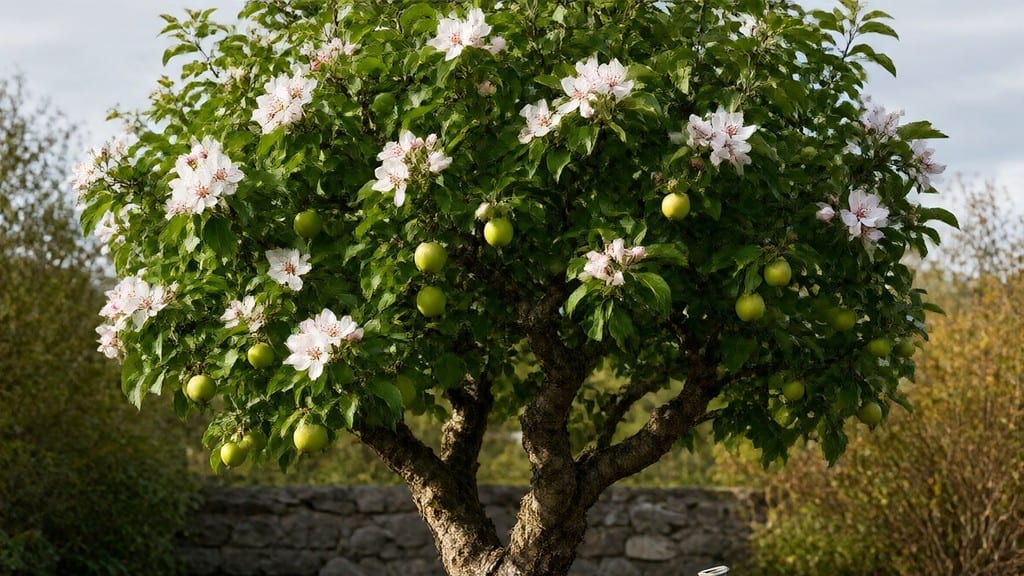
Yes, apple trees have flowers, and their bright blossoms bloom in early spring before leaves appear, marking the beginning of fruit development. These flowers need cross-pollination to produce fruit, relying heavily on bees for successful harvests.
Apple trees produce stunning clusters of pink or white blossoms each spring, a sight that always reminds me of nature's promise of harvests to come. 🌸 The timing of this bloom depends on the tree's variety and the winter's chill hours—most need 500-1,000 hours below 45°F to trigger flowering.
What's fascinating is how these flowers develop into fruit: each blossom must be pollinated by another tree's pollen (or a compatible variety) to form the tiny fruitlets that grow into apples over summer.
This pollination process explains why many gardeners plant two apple tree varieties together—some trees like 'Honeycrisp' are self-fertile, while others like 'Granny Smith' need cross-pollination. The bees' role can't be overstated: without their activity, those beautiful blossoms would wither without producing fruit, making them essential partners in your orchard's success.
💡 In This Article
- Apple Tree Flowering Process and Pollination Science
- Best Apple Tree Varieties for Flowering and Fruit Production
Apple tree flowering process and pollination science
Here's what's actually happening when apple trees bloom: each flower contains both male and female reproductive parts, but they're not self-sufficient. The 5-petaled blossoms (typically pink or white) house 20-40 stamens (male pollen producers) surrounding a central pistil (female ovary).
What's fascinating is that apple flowers release pollen over 3-5 days—a process called dichogamy—where male and female parts mature at slightly different times to encourage cross-pollination.
The timing of blooming depends on two critical factors: chill hours (cold winter exposure) and warm spring days. Most commercial varieties need 500-1,000 hours below 45°F during dormancy to trigger flower buds. Once warm days arrive (typically 50°F+ for 3-5 consecutive days), buds swell rapidly—often within 1-2 weeks.
This explains why late winters with warm spells can cause premature blooming, risking frost damage to delicate flowers.
The pollination process works like this: bees carry pollen from one tree's stamens to another's pistils, where it fertilizes ovules. Some varieties (like 'Liberty') are self-fertile, but most need cross-pollination from a compatible tree within 50 feet.
The key is timing—flowers only remain receptive for 4-7 days, and pollen must land within 24 hours of release. Without bees, fruit set drops by 70-90%, which is why orchards often plant clover strips to attract pollinators.
What most people don't realize is how temperature affects pollen viability. Ideal pollination occurs between 55-75°F—below 50°F, pollen grains become sluggish, while above 85°F, they desiccate. This is why early spring frosts (28°F) can devastate blossoms: they're more vulnerable than leaves.
The flowers' waxy coating helps repel water, but severe frost causes cellular rupture, turning petals brown within hours.
After successful pollination, the ovary swells into a fruitlet about the size of a pea. These tiny fruits require thinning (removing excess) to develop properly—too many compete for nutrients, leading to small, misshapen apples.
The entire process from bloom to harvest takes 120-180 days, during which the fruit grows from 0.1 oz to 6-8 oz (for a medium apple).
Here's a pro tip: if you notice more than 50% of blossoms dropping without forming fruitlets, it's likely a pollination issue. Try planting a second variety or introducing bee houses near your trees.
The right combination of chill hours, warm days, and pollinators turns those spring blooms into fall's harvest gold. 🌟