
Flowers
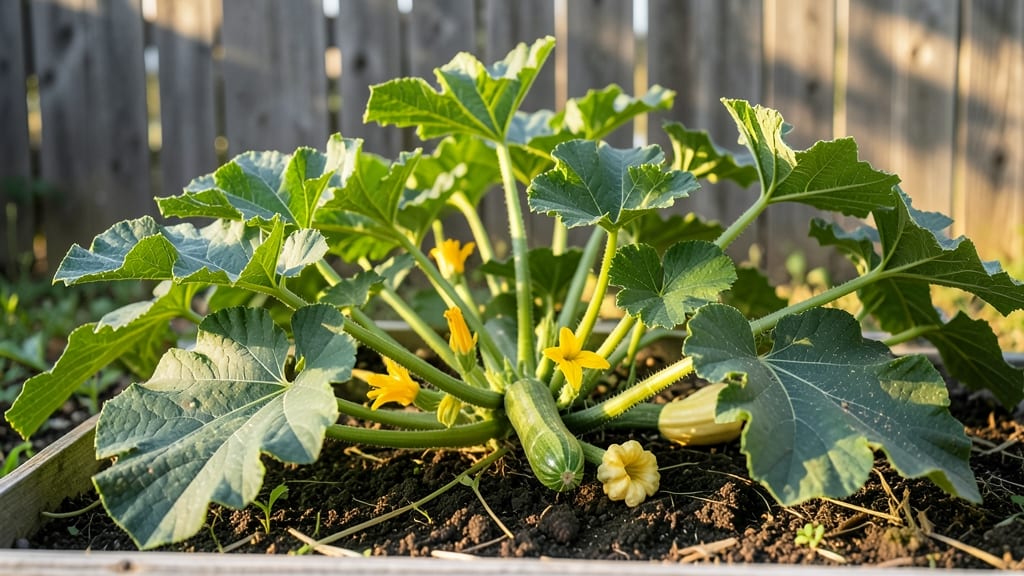
Male squash flowers are edible and packed with nutrients like vitamins A and C, offering a delicate, slightly sweet flavor similar to zucchini blossoms. Harvest them before they open fully, then prepare by rinsing, trimming stems, and using in dishes like fritters or salads.
These edible blossoms are often overlooked in the kitchen, yet they're a chef's secret for adding a unique, floral touch to meals. 🌸 The key to enjoying them lies in timing—picking flowers just as they begin to unfurl ensures the best flavor and texture.
Many home cooks use them in Italian-inspired dishes, where their subtle sweetness pairs beautifully with garlic, herbs, and light batters. Beyond fritters, they also shine in risottos or as a garnish for soups, adding both visual appeal and nutritional value.
What makes them special is their versatility—you can even freeze them for later use by gently blanching first. Just remember to handle them with care, as their delicate petals bruise easily when overhandled.
💡 In This Article
- How to Identify and Harvest Male Squash Flowers
- Top 5 Recipes Using Male Squash Flowers
How to identify and harvest male squash flowers
The key to identifying male squash flowers lies in their botanical structure. Unlike female flowers, which develop a small squash at the base, male flowers feature a single, slender stem with five delicate petals that curve slightly outward.
The center contains a cluster of stamens (the pollen-producing parts), which are absent in female flowers. This distinction is crucial because only male flowers are edible—female flowers contain bitter compounds that develop as the squash forms.
Timing your harvest is equally important. The best time to pick these blossoms is on a cool morning, just as the petals begin to unfurl but before they fully open—typically between 6:00 AM and 9:00 AM.
At this stage, the flavor is most delicate and slightly sweet, with minimal bitterness. If you wait until they're fully open, the petals become tougher and may have absorbed more pollen, altering their subtle taste.
For optimal freshness, harvest on cloudy days or after light rain, as the petals absorb moisture and maintain their vibrant color longer.
When harvesting, use sharp scissors or pruning shears to cut the stem about 1-2 inches below the flower. Avoid pulling them by hand, as this can damage the plant's delicate tissue.
Gently shake off any insects or debris, then place the flowers in a bowl of cold water to keep them fresh. The stems should remain intact—this helps preserve their moisture and prevents wilting.
If you're not using them immediately, store them in a sealed container lined with a damp paper towel in the refrigerator for up to 3 days.
What most people don't realize is that the temperature plays a role in flavor preservation. Male squash flowers contain volatile compounds that contribute to their aroma and taste, which can degrade if exposed to heat.
For example, storing them at 35-40°F slows down enzymatic activity that causes browning and flavor loss. Additionally, the petals are sensitive to ethylene gas (a natural plant hormone), so store them away from fruits like apples or bananas, which release high levels of ethylene and accelerate spoilage.
Here's a pro tip: If you're growing multiple squash varieties, pay attention to their flowering patterns. Some varieties, like zucchini, produce male flowers first, followed by females, while others like butternut squash may have overlapping blooms. Male flowers tend to appear higher on the vine, making them easier to spot.
Once you've identified a male flower, check nearby stems—you'll often find more within 2-3 feet of the first one, thanks to the plant's growth habits.
For those who want to extend their harvest, freezing is an option. Blanch the flowers in boiling water for 30 seconds, then immediately transfer them to an ice bath to stop cooking.
Drain well, pat dry, and freeze in a single layer on a tray before transferring to a sealed bag. This method preserves their texture and flavor for up to 6 months, making it easier to enjoy them year-round without the hassle of fresh harvesting.