
Shrubs
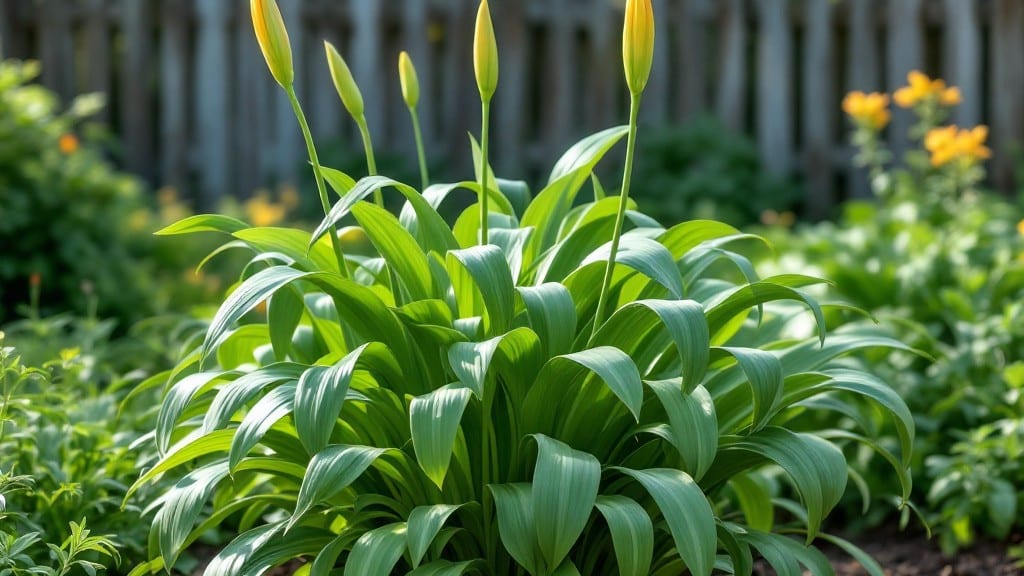
Daylilies not flowering can feel like a cruel joke after you’ve poured time into their care. 🌸 The good news? Most cases boil down to just five simple fixes—light, soil, feeding, crowding, or age—and each one takes minutes to address.
I’ve revived stubborn clumps by adjusting just one of these, and you can too.
The most common culprits are too much shade (daylilies need 6+ hours of sun) or over-fertilizing with nitrogen (which fuels leaves, not blooms). I once had a clump with lush foliage but zero flowers—turns out, my spring fertilizer was all wrong.
A quick switch to low-nitrogen, high-phosphorus feed in early summer brought back blooms within weeks.
You’ll see the first signs of recovery in 2-3 weeks: tighter leaves, visible buds, or even a single bloom. The key is acting fast—once you identify the issue, the fix is straightforward. For example, dividing overcrowded clumps in early spring gives younger shoots room to bloom that same season.
This works for all daylily varieties, whether you’re dealing with heirlooms, modern hybrids, or those freebie clumps from neighbors. Let’s diagnose yours and get those flowers back—no guesswork, just results.
Root Causes Behind Blooms
Understanding why your daylilies (Hemerocallis spp.) aren’t flowering starts with uncovering the hidden factors sabotaging their growth. These hardy perennials thrive on balance—disrupt that, and they’ll focus energy on leaves instead of blooms.
Let’s dig into the science behind the most common culprits and how they derail your daylilies’ floral plans.
Daylilies are sun-lovers, but not all light is equal. They need 6 to 8 hours of full sun daily (60%+ sunlight intensity) to trigger flowering. Here’s why shade stifles blooms:
- Photosynthesis Shortcut: In low light, plants prioritize leaf production to maximize energy capture. Flowering is energy-intensive—think of it like a chef running out of ingredients mid-recipe. Without enough sunlight, daylilies skip the bloom phase entirely. - Chlorophyll Confusion: Shade reduces chlorophyll efficiency, limiting sugar production.
Flowers require complex carbohydrates (like sucrose) for development, and weak light starves this process. - Daylength Sensitivity: Daylilies are long-day plants, meaning they need 14+ hours of daylight to bloom. Shortened days (common in northern climates) + shade = a double whammy for flower signals.
Actionable Fix: Move plants to a sunnier spot or thin nearby trees/shrubs. If relocating isn’t possible, consider reflective surfaces (like white mulch or mirrors) to bounce extra light onto the foliage.
Water stress—whether drought or soggy roots—triggers survival mode, halting reproductive growth. Here’s how it plays out:
| Issue | Impact on Blooms | Science Behind It |
|---|---|---|
| Underwatering | Stunted growth, small/absent buds | Roots can’t absorb nutrients/water; abscisic acid (a stress hormone) signals the plant to conserve energy by halting non-essential functions (like flowers). |
| Overwatering | Yellowing leaves, root rot, no flowers | Oxygen deprivation in soil blocks ethylene production, a hormone critical for flower initiation. Rot also diverts energy to healing roots. |
| Inconsistent Watering | Buds form but drop off before opening | Fluctuating moisture levels confuse the plant’s circadian rhythms, disrupting the hormonal balance needed for bloom development. |
Pro Tip: Aim for 1–1.5 inches of water per week, delivered at the soil level (not leaves). Use drip irrigation or soaker hoses to maintain steady moisture—daylilies hate "boom or bust" watering.
Daylilies are forgiving but not thrift plants when it comes to nutrients. Three key imbalances sabotage blooms:
- Excess Nitrogen (N) - Symptoms: Lush green leaves but no flower buds. - Why? Nitrogen fuels vegetative growth (leaves/stems) at the expense of reproductive growth.
Think of it like a bodybuilder skipping leg day—all arms, no legs. - Fix: Switch to a balanced fertilizer (e.g., 10-10-10) or one low in nitrogen (like 5-10-10). Avoid fresh manure or high-N compost.
- Phosphorus (P) Deficiency - Symptoms: Dark green leaves, small/weak buds that fail to open. - Why? Phosphorus is the flowering fuel; it activates enzymes that convert sugars into bloom structures.
Low P = stalled development. - Fix: Apply bone meal or a phosphorus-rich fertilizer (e.g., 5-20-10) in early spring.
- Potassium (K) Shortage - Symptoms: Weak stems, buds that form but drop early. - Why? Potassium regulates water and nutrient transport to flowers.
Without it, buds can’t mature. - Fix: Use wood ash (sparingly) or a potassium sulfate fertilizer. Banana peels (composted) are a natural, slow-release source.
Daylilies are cold-hardy but heat-sensitive when it comes to blooming. Three temperature-related traps:
- Late Planting - Problem: Daylilies need 6–8 weeks of warm soil (60°F+) to establish roots before winter.
Planting in fall (especially in cold zones) can delay root growth, starving next year’s buds. - Fix: Plant in early spring (after frost) or late summer (6 weeks before first frost) for optimal root establishment.
- Summer Heatwaves - Problem: Temperatures above 90°F for prolonged periods cause bud blast—buds form but wither before opening.
This is due to ethylene breakdown (a flower-promoting hormone) under heat stress. - Fix: Provide afternoon shade (e.g., shade cloth) or mulch heavily (3–4 inches) to keep roots cool.
- Early Freezes
- Problem: Daylilies set flower buds 6–8 weeks before blooming. A late-spring freeze can kill emerging buds or shock the plant into dormancy prematurely.
- Fix: Choose early-blooming cultivars (they set buds sooner) or use row covers in frost-prone areas.
Hidden invaders divert your daylily’s resources away from blooms. Watch for:
- Aphids/Spider Mites
- How They Sabotage: These sap-suckers inject toxins that trigger abscission (premature bud drop). They also weaken the plant, reducing its ability to produce flowers.
- Fix: Spray with neem oil or introduce ladybugs. Prune heavily infested leaves.
- Fungal Issues (e.g., Rust, Leaf Spot)
- How They Sabotage: Fungi clog stomata (leaf pores), reducing photosynthesis. The plant redirects energy to repairing damaged foliage instead of blooming.
- Fix: Remove infected leaves, improve air circulation, and apply copper fungicide preventatively.
- Grubs/Slugs
- How They Sabotage: They munch on roots, limiting nutrient uptake. Weak roots = weak flower signals.
- Fix: Use beer traps for slugs or nematode treatments for grubs. Apply gravel mulch to deter pests.
Not all daylilies bloom equally—some are naturally shy due to genetics or maturity.
- Young Plants (1–2 Years Old) - Why No Blooms? Daylilies often skip flowering the first year to build root systems. Even in year 2, they may produce only 1–2 scapes (flower stalks). - Fix: Be patient!
By year 3, most cultivars bloom abundantly. Divide clumps every 3–4 years to rejuvenate energy.
- Dwarf or Miniature Varieties - Why Fewer Blooms? Smaller plants have limited energy reserves. Some cultivars (e.g., Hemerocallis ‘Stella de Oro’) focus on compact growth over prolific flowering. - Fix: Choose larger cultivars (e.g., ‘Happy Returns’) if you want more blooms.
Accept that dwarfs are low-maintenance but modest in display.
- Overcrowded Clumps - Why? Daylilies divide every 3–5 years, forming dense centers with older, less productive crowns. The plant prioritizes survival over reproduction in crowded conditions. - Fix: Dig and divide in early spring or fall.
Discard the oldest, woody center and replant the vigorous outer fans.
Revive Your Daylilies: Step-by-Step Fixes
Your daylilies are a stunning addition to any garden, but when they refuse to bloom, it can feel like a mystery. 🌸 The good news? Most issues have simple, actionable solutions. Below, we’ve mapped out practical fixes for each common cause—plus prevention tips to keep your plants thriving for years.
Problem: Daylilies (Hemerocallis) need 6–8 hours of direct sunlight daily to trigger flowering. Shady spots or blocked light (like from overgrown trees) starve them of energy.
How to Fix It:
- 🔥 Assess Light Levels: Observe your garden at different times of day. Use a light meter (or a free app like Sun Surveyor) to track sunlight exposure.
- 👨🍳 Relocate Clumps: Dig up struggling plants and transplant them to sunnier areas. Space them 18–24 inches apart for airflow and light penetration.
- 🌿 Prune Obstructions: Trim back tall plants, weeds, or branches casting shade. Even a partial sun fix (4+ hours) can boost blooms next season.
💡 Prevention Tip: Plant daylilies in south- or west-facing beds where they’ll get the most sunlight. If your yard is shady, choose low-light-tolerant varieties like ‘Happy Returns’ or ‘Stella de Oro’.
Problem: Daylilies hate soggy roots. Overwatering or compacted, waterlogged soil stresses plants, diverting energy away from flowers.
How to Fix It:
- 🥘 Test Soil Drainage: Dig a 6-inch hole, fill it with water, and time how long it takes to drain. If it’s slower than 4 hours, amend the soil.
- 🔪 Improve Soil: Mix in compost, perlite, or coarse sand (1 part amendment to 3 parts soil) to loosen texture. For heavy clay, add gypsum (1 lb per 10 sq ft).
- ⏰ Water Smarter: Water deeply 1–2 times per week (vs. daily shallow watering). Aim for 1–1.5 inches of water per week, letting soil dry slightly between sessions.
🌡️ Prevention Tip: Plant daylilies on mounds or slopes to encourage runoff. Avoid low-lying areas where water pools after rain.
Problem: Lack of phosphorus (P) or potassium (K) delays blooming. Over-fertilizing with nitrogen (N) can also cause leafy growth at the expense of flowers.
How to Fix It:
- 📊 Soil Test First: Use a home test kit or send a sample to a local extension office (costs ~$15–$20). Look for low phosphorus (P) or imbalanced NPK ratios.
- 💪 Fertilize for Blooms: Apply a balanced fertilizer (10-10-10) in early spring, then switch to a phosphorus-heavy formula (like 5-10-5) in late spring to encourage flowers.
- 🍎 Organic Boost: Spread bone meal (3 tbsp per plant) or composted manure around the base in spring. Water well to activate nutrients.
✨ Prevention Tip: Avoid high-nitrogen fertilizers (like lawn food) after mid-summer—they promote leaves, not blooms. Instead, use low-N, high-P/K fertilizers in fall for next year’s flowers.
Problem: Daylilies divide every 3–5 years, forming dense clumps that choke themselves. Skipping deadheading or division redirects energy to maintaining old growth instead of new blooms.
How to Fix It:
- 🔪 Divide the Clump:
- Dig up the entire plant in early spring or fall.
- Use a sharp spade or knife to split into 3–5 inch sections, ensuring each has 1–2 fans (leaf clusters).
- Replant divisions 18 inches apart in fresh soil.
- 🌸 Deadhead Regularly: Snip spent blooms just above the first set of healthy leaves (not the stem base!). This prevents seed formation and encourages reblooming.
- 🌿 Trim Foliage: In late fall, cut back yellowed or damaged leaves to reduce disease risk and improve airflow.
🎯 Prevention Tip: Divide daylilies every 3 years to prevent overcrowding. Reblooming varieties (like ‘Happy Returns’) benefit from monthly deadheading during bloom season.
Problem: Aphids, spider mites, or fungal diseases (like rust or botrytis) sap energy, leading to weak or no flowers.
How to Fix It:
- 🕷️ Identify the Culprit:
- Aphids/Mites: Tiny insects on undersides of leaves; sticky residue (honeydew).
- Fungal Issues: Yellow spots, powdery mildew, or leaf drop.
- 🧼 Treat Infestations:
- Pests: Spray with neem oil (1 tbsp + 1 quart water) or insecticidal soap. Repeat every 5–7 days for 2 weeks.
- Fungus: Apply copper fungicide or baking soda spray (1 tbsp baking soda + 1 quart water + few drops of soap).
- 🌿 Prevent Future Problems:
- Space plants for airflow (avoid mulching too close to stems).
- Water at the base (not overhead) to reduce fungal spores.
💡 Prevention Tip: Inspect plants weekly during growing season. Remove infected leaves immediately and dispose of them in the trash (not compost).
🎉 Final Thought: Most daylilies rebloom within 4–6 weeks after adjustments. Track your fixes with a simple garden journal—note sunlight, watering, and fertilizer dates to spot patterns. With these steps, your daylilies will be bursting with color in no time! 🌺
Frequently asked questions about daylilies not flowering
Why do my daylilies have big leaves but no flowers?
This is usually a sign of too much nitrogen in your soil or fertilizer. Nitrogen fuels leafy growth at the expense of blooms. Switch to a balanced fertilizer (10-10-10) or one with low nitrogen (like 5-10-10) in early spring. Bone meal adds phosphorus, which actually encourages flowering.
Can daylilies bloom in partial shade?
Most daylilies need 6+ hours of sunlight daily to flower well. In partial shade, you might see a few blooms, but they’ll be sparse. Try moving plants to sunnier spots or choose shade-tolerant varieties like ‘Happy Returns’. If relocation isn’t possible, prune nearby trees to increase light exposure.
How often should I divide my daylily clumps?
Daylilies should be divided every 3-5 years to prevent overcrowding. Overgrown clumps focus energy on maintaining old growth rather than producing new blooms. The best time is early spring or fall—dig up the clump, separate into sections with 1-2 fans each, and replant. This rejuvenates growth and often brings back abundant flowering.
What should I do if my daylily buds form but drop off?
This often indicates water stress (either too much or too little) or nutrient deficiencies, particularly phosphorus. Check your watering schedule—aim for 1-1.5 inches per week—and apply a phosphorus-rich fertilizer (like bone meal) in early spring. Also ensure proper spacing for airflow to prevent fungal issues.
Will deadheading my daylilies encourage more blooms?
Deadheading—removing spent blooms just above the first healthy leaves—prevents seed formation and redirects energy to new flower production. For reblooming varieties like ‘Happy Returns’, deadhead regularly throughout the season. Just avoid cutting into the stem base, as this can damage the plant.