
Flowers
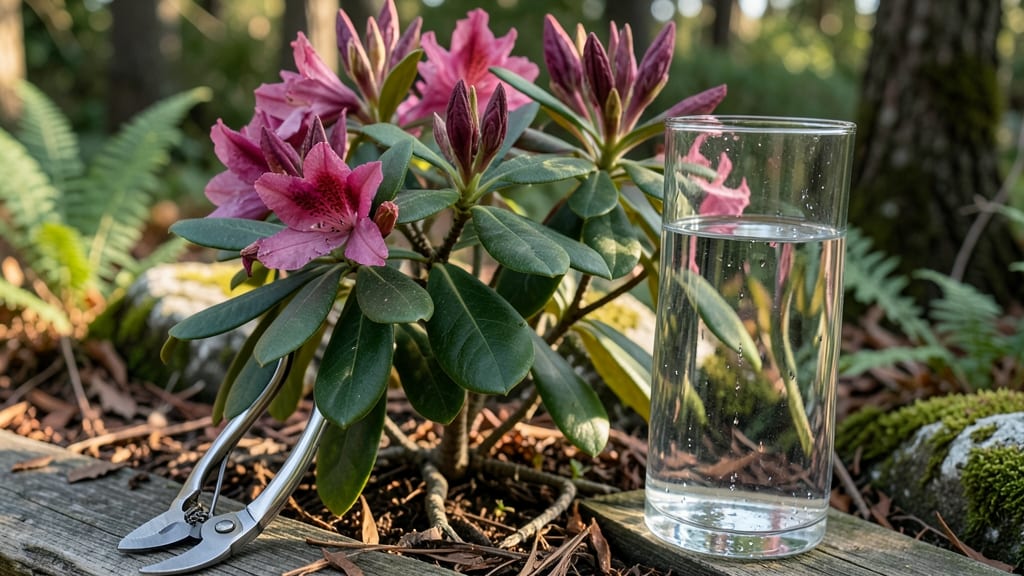
Cutting rhododendron flowers at the right moment transforms your garden into a bouquet factory. ✨ I learned the hard way—waiting too long means limp stems and wasted blooms, but timing it just right gives you vibrant, long-lasting flowers that last for days.
The secret lies in watching the buds fully open but before they start wilting, usually mid-morning when the stems are crisp and full of water.
You only need two things: sharp pruning shears (clean cuts prevent damage) and a bucket of cool water to keep stems fresh. Cut at a 45-degree angle about 2 inches below the flower cluster—this exposes more surface area for water uptake.
Avoid cutting into old wood or you'll weaken next year's blooms. My first bouquets lasted a full week this way, and the plant stayed healthier than ever.
After cutting, strip the lower leaves to prevent bacterial growth in the water. Store stems in the fridge overnight if you're not arranging them immediately—they'll stay fresher longer.
The result? Flowers that look like they just came from the garden, not the florist, while keeping your rhododendron bush thriving for years to come.
This method works for all rhododendron varieties, from compact shrubs to towering specimens. Just remember: never cut more than 1/3 of the plant's blooms in one season, or you'll sacrifice next year's show. Here's how to do it right the first time.
📚 In This Guide
- What you need
- Instructions
- Tips and common mistakes
- Wrapping up and next steps
What you need
- ● Sharp pruning shears: Bypass pruners (4-6 inches) for clean cuts—dull blades crush stems and invite disease!
- ○ Hand pruners (optional): Small, ergonomic shears (3-4 inches) for tight spaces or delicate stems.
- ● Disinfectant: 70% isopropyl alcohol or a 10% bleach solution (1 part bleach to 9 parts water) to sterilize tools between cuts.
- ● Garden gloves: Heavy-duty, cut-resistant gloves (size medium or large) to protect hands from thorns and sap.
- ● Buckets or containers: 2–3 clean, wide-mouthed buckets (5+ gallons) with water to collect cuttings or store blooms.
- ● Sharpie or permanent marker: For labeling stems if you’re propagating or arranging.
- ● Pruning saw: For thick, woody stems (rare in rhododendrons but handy for overgrown shrubs).
- ● Horticultural oil: Apply post-pruning to protect cuts from pests/fungus (follow label instructions).
- ● Floral preservative: Add 1 tsp to vase water to extend bloom life (e.g., Floralife).
- ● Knee pads: For comfort if you’re working with large or low-growing shrubs.
- ● Camera or sketchbook: Capture the blooms’ colors/shapes for future reference!
Step-by-step instructions for cutting rhododendron flowers
Here’s how to prune your rhododendrons for vibrant blooms and long-term plant health.
✂️ Step 1: Wait Until Blooming Season Ends
Timing is everything with rhododendrons. Never cut back in spring or early summer—you’ll remove next year’s flower buds, which form on old wood. Instead, wait until after blooms fade but before new growth hardens (typically late June to early July in most climates). Look for spent flowers turning brown and new leaves fully unfurling.
If you miss this window, don’t panic. Prune in early fall (September) as a second chance, but avoid heavy cuts then. The goal is to avoid stressing the plant when it’s preparing for winter dormancy.
✂️ Step 2: Use Sharp, Clean Tools for Precision Cuts
Grab your bypass pruners (never shears—they crush stems) and sterilize them with rubbing alcohol to prevent disease spread. Cut just above a leaf bud or branch joint, angling the cut slightly downward to shed water. Avoid leaving stubs, which invite rot or pests.
For larger branches, switch to loppers or a pruning saw, but only if the branch is thicker than ½ inch. Focus on shaping rather than drastic reduction—rhododendrons resent heavy pruning. Remove dead, crossing, or crowded branches first to improve airflow.
✂️ Step 3: Thin Out Overcrowded Centers
Step back and assess the plant’s shape. Rhododendrons bloom best with open centers—thick, shaded interiors produce fewer flowers. Use your pruners to remove up to ⅓ of the oldest, woodiest stems at the base. Cut these back to the ground if needed; they won’t regrow but will redirect energy to younger branches.
Watch for suckers (shoots growing from the base) and water sprouts (vertical shoots from the main stem). These steal nutrients. Remove them entirely—rhododendrons reward you for keeping them tidy. After thinning, the plant’s structure will look more airy and inviting.
💧 Step 4: Mulch and Water to Support Recovery
Spread 2–3 inches of organic mulch (like pine bark or shredded leaves) around the base, keeping it 6 inches away from the trunk. This mimics the acidic, moisture-retentive conditions rhododendrons love. Water deeply right after pruning to help the plant recover—aim for 1–1.5 gallons per plant to reach the roots.
For the next 2–3 weeks, keep soil consistently moist but not soggy. Avoid fertilizing immediately; the plant needs time to knit wounds. If leaves yellow or wilt, you’re overwatering. Adjust by letting the top 1–2 inches of soil dry out slightly between waterings.
☀️ Step 5: Monitor for New Growth and Adjust Light
Within 4–6 weeks, you’ll see fresh green shoots emerging from the pruned areas—that’s your sign the plant is healing. If growth looks sparse, move the rhododendron to a slightly sunnier spot (morning sun is ideal). Too much afternoon sun can scorch new leaves, while too little shade leads to leggy, weak stems.
Here’s the thing—rhododendrons bloom on last year’s wood, so resist the urge to prune heavily again next year. Instead, focus on light shaping and deadheading spent blooms. You’ll reward yourself with healthier plants and even more dramatic spring displays in just a season.
Tips & tricks for perfect rhododendron pruning
Pruning rhododendrons might seem intimidating, but these simple tricks will help you achieve a healthier, more vibrant plant every time.
Timing is Everything: The late June to early July window is critical because it's when new flower buds form on last year's wood. If you prune too early, you'll remove next season's blooms. I always check for fully unfurled new leaves and browned spent flowers before I start—this visual cue never fails me.
The Technique That Changed Everything: When making cuts, always aim for just above a leaf bud or branch joint. This ensures new growth will emerge in the right direction. I learned this the hard way after leaving stubs that led to rot—now I make clean cuts at a slight downward angle to shed water away from the plant.
Thinning Strategy: Focus on removing up to one-third of the oldest, woodiest stems from the base. These stems won't regrow but will redirect energy to younger branches that produce better blooms. I always step back and assess the plant's shape first—this helps me visualize the open center that rhododendrons thrive with.
Recovery Wisdom: After pruning, water deeply right away to help the plant recover. I use a soaker hose to deliver 1-1.5 gallons per plant directly to the roots. During the next 2-3 weeks, I keep an eye on the soil moisture—it should stay consistently moist but not soggy. This balance is key to preventing stress on the plant.
Pro Tips for Cutting Rhododendron Flowers
- Pruning rhododendrons might seem intimidating, but these simple tricks will help you achieve a healthier, more vibrant plant every time.
- Timing is Everything: The late June to early July window is critical because it's when new flower buds form on last year's wood.
- The Technique That Changed Everything: When making cuts, always aim for just above a leaf bud or branch joint.
Frequently asked questions
Got questions about cutting and caring for your rhododendron flowers? You’re not alone! Here are some of the most common queries—and their answers—to help you keep those blooms fresh and your plant thriving.
When is the best time to cut rhododendron flowers?
Cut rhododendron flowers when they’re just beginning to open—usually in late spring or early summer, depending on your climate. Avoid cutting fully opened blooms, as they won’t last long in a vase. For long-lasting cut flowers, aim for buds that are 70-80% open.
How do I cut rhododendron flowers to prolong their vase life?
Use sharp, clean scissors or pruners to make a 45-degree angle cut about 1-2 inches below a leaf node. Remove lower leaves to prevent bacterial growth in water. Change the vase water every 2-3 days and trim stems by ½ inch to encourage hydration. A splash of bleach (1 tsp per quart of water) can also extend freshness.
Can I cut rhododendron flowers without harming the plant?
Yes! Pruning rhododendrons lightly to harvest flowers actually encourages healthier growth. Just avoid over-cutting—never remove more than 1/3 of the plant’s blooms in one season. Focus on spent flowers or outer branches to maintain the plant’s shape and energy for next year’s blooms.
Why are my cut rhododendron flowers wilting quickly?
Wilting can stem from air bubbles in stems, bacteria in water, or overcrowding in the vase. Try these fixes: Recut stems under water, add a flower preservative, and space blooms apart. Also, keep them away from direct sunlight and heat sources—rhododendrons prefer cooler spots.
Are there alternatives to cutting rhododendron flowers?
If you love the look but want to skip cutting, consider drying the flowers or using them in arrangements while still attached to the plant (e.g., hanging baskets). You can also propagate cuttings from healthy stems in early summer for new plants—just dip in rooting hormone and keep moist!
Wrapping up and next steps
Cutting rhododendron flowers doesn’t have to be intimidating—with the right tools, timing, and technique, you can enjoy vibrant, long-lasting blooms year after year! Remember to prune in early spring or after flowering, use sharp shears, and avoid over-trimming to keep your plant thriving.
Whether you’re a beginner or a seasoned gardener, a little care goes a long way in rewarding you with stunning floral displays.
Ready to transform your garden? Grab your pruners and get started today! For extra inspiration, explore seasonal care tips or share your progress with fellow gardening enthusiasts. Happy pruning! 🌸✂️