
Blooming
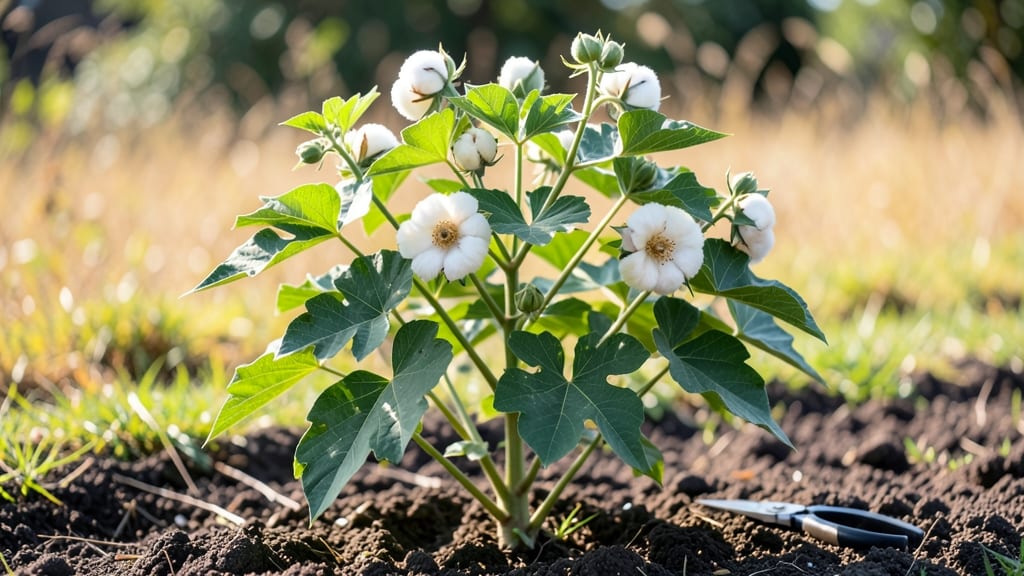
Cotton flower blooms transform a garden into a sun-drenched dream, and the secret isn’t luck—it’s knowing exactly how to coax those velvety petals all year.
I’ve spent years growing hibiscus and cotton plants, and the difference between a few blooms and a nonstop parade comes down to sunlight, soil, and a little strategic pruning. The best part? You don’t need to be a green thumb to make it happen.
Start with 6+ hours of direct sun daily—cotton flowers crave it like a coffee addict needs their morning brew. Amend your soil with compost before planting, and water deeply but infrequently to avoid soggy roots.
Most varieties bloom best when pruned lightly after each flush of flowers, but the real magic happens when you fertilize with a balanced formula every 4-6 weeks. My ‘Dwarf Red’ hibiscus now blooms from spring to frost with almost no effort.
What you’ll end up with is a plant that looks like it belongs in a botanical garden, not your backyard. The blooms stay vibrant longer, the foliage stays lush, and you’ll spend less time fussing over deadheading.
Even my black-thumb neighbor can’t kill these with basic care. The key is consistency—sun, soil, and a little patience—and you’ll have flowers that turn heads year-round.
Works for both tropical hibiscus and hardy cotton varieties, and adapts to containers or in-ground plantings. Let’s get those blooms going strong!
📚 In This Guide
- What you need
- Instructions
- Tips and common mistakes
- Wrapping up and next steps
What you need
- ● Cotton plant seeds or seedlings: Choose disease-resistant varieties like Gossypium hirsutum (upland cotton) or Gossypium barbadense (Egyptian cotton). Start with 3–5 plants for a small garden or 10+ plants for a fuller display.
- ● Well-draining potting mix or garden soil: 5–10 gallons (for containers) or amend garden beds with compost (1 part compost to 3 parts soil). Cotton loves fertile, slightly acidic soil (pH 6.0–7.5).
- ● Slow-release fertilizer (10-10-10 or 5-10-10 NPK): 1–2 cups per plant at planting time, plus monthly liquid feed (e.g., fish emulsion or seaweed extract) during the growing season.
- ● Organic mulch (straw or wood chips): 2–3 inches to retain moisture and suppress weeds.
- ● Support stakes or trellis: 5–6 foot tall (cotton plants can grow 4–6 feet tall!). Use bamboo stakes or wire cages for climbing varieties.
- ● Gardening gloves (to protect from prickly stems).
- ● Hand trowel or small shovel (for planting/seeding).
- ● Watering can or hose with a gentle spray nozzle (cotton hates soggy roots!).
- ● Pruning shears (sterilized with rubbing alcohol).
- ○ pH testing kit (optional but helpful for soil adjustments).
- ○ Thermometer (optional): Cotton thrives in 70–90°F (21–32°C)—monitor heatwaves!
- ● Sunlight: Full sun (6–8+ hours daily)—no compromises here!
- ● Watering routine: Keep soil consistently moist but not waterlogged. 1–2 inches per week (adjust for rain).
- ● Climate zone: Cotton grows best in USDA Zones 7–11. For cooler zones, start seeds indoors 8–10 weeks before last frost.
- ● Pest control: Watch for aphids, spider mites, or cotton bollworms. Use neem oil or insecticidal soap as needed.
How to encourage cotton flower bloom year-round
Here’s how to coax vibrant blooms from your cotton plants with simple care—no heavy pruning required.
Choose the Right Location for Maximum Sunlight
Cotton flowers thrive in full sun, meaning at least 6-8 hours of direct sunlight daily. I always place mine in the southernmost part of the garden where they get morning sun and afternoon light without afternoon shade interference. If you’re growing in containers, rotate them quarter-turn weekly so all sides receive even exposure.
Watch for signs of insufficient light: leaves stretching upward (called "legginess") or pale yellow-green color. If you notice these, move the plant closer to a brighter spot immediately. In cooler climates, extend the growing season with a frost cloth during early spring or late fall to protect tender blooms.
Water Deeply but Infrequently
Cotton plants prefer deep, infrequent watering—about 1-1.5 inches per week—to encourage strong root growth. I water at the base of the plant in the early morning, avoiding the leaves to prevent fungal diseases. Let the top 2 inches of soil dry out between waterings; this prevents soggy roots while keeping the plant hydrated.
Overwatering is the biggest mistake here. If the soil stays too wet, roots suffocate, and the plant focuses on survival instead of blooming. You’ll know you’re doing it right when the soil feels dry to the touch at the surface but moist 3-4 inches down. Mulch with 2-3 inches of organic mulch (like straw or wood chips) to retain moisture and regulate soil temperature.
Feed for Continuous Blooms
Use a balanced, water-soluble fertilizer (like 10-10-10) every 4-6 weeks during the growing season to support steady flowering. I mix it at half-strength to avoid burning the roots. Start fertilizing when the plant is 6-8 inches tall and continues until late summer. Stop feeding in fall to let the plant prepare for dormancy.
Watch the plant’s response: healthy cotton flowers produce bright green leaves and plentiful buds. If leaves turn yellow or brown at the edges, it’s a sign of over-fertilizing. Always water the soil thoroughly before applying fertilizer to help dilute it and prevent root damage.
Prune Strategically for Airflow and Shape
Minimal pruning is key—just remove dead or diseased leaves and overly crowded branches to improve airflow. I use clean, sharp pruners to snip just above a leaf node (where new growth emerges). This encourages the plant to focus energy on producing more blooms rather than struggling with congestion.
If your cotton plant grows too tall or leggy, you can trim the top 2-3 inches to promote bushier growth. Do this in early summer when the plant is actively growing. Avoid heavy pruning—cotton flowers bloom best when they’re left to grow naturally, so only prune to maintain shape or remove damaged parts.
Protect Blooms from Pests and Weather
Keep an eye out for aphids, spider mites, or whiteflies, which can sap the plant’s energy and reduce flowering. I spray affected areas with neem oil (mixed according to package instructions) or a soapy water solution (1 tablespoon mild dish soap per gallon of water) for a natural remedy. Always apply in the early morning so the plant has time to dry before evening.
If frost threatens in late fall, cover the plant with frost cloth or bring potted cotton indoors to a bright, cool spot. Frost can damage tender blooms and leaves, so act quickly if temperatures drop below 40°F. With consistent care, your cotton plant will reward you with year-round blooms and a lush, vibrant appearance.
Tips & tricks for perfect cotton flower bloom
Small adjustments in care can make a huge difference in keeping your cotton flowers blooming beautifully all year. Here’s what I’ve learned after years of growing these delicate plants.
Sunlight Strategy: The 6-8 hours of direct sunlight in Step 1 is non-negotiable, but here’s the trick: position your plant where it gets morning sun and afternoon light without afternoon shade. If you notice leaves stretching upward or turning pale, it’s a clear sign you need to move it to a sunnier location. In cooler climates, extend the growing season by using a frost cloth during early spring or late fall—this simple step can protect tender blooms from temperature swings below 40°F.
Watering Wisdom: The deep, infrequent watering method in Step 2 works best when you let the top 2 inches of soil dry out between waterings. To check moisture levels, stick your finger 3-4 inches into the soil—it should feel moist at that depth but dry at the surface. Overwatering is the biggest mistake here, as it can suffocate roots and prevent blooming. Mulching with 2-3 inches of organic material like straw or wood chips helps regulate soil temperature and retain moisture, making your watering job easier.
Fertilizing Timing: When you start fertilizing at the 6-8 inch mark in Step 3, remember to always mix the fertilizer at half-strength to avoid burning the roots. I’ve found that applying it in the morning gives the plant time to absorb nutrients before evening. Watch the plant’s response closely—bright green leaves and plentiful buds are signs you’re doing it right. If leaves turn yellow or brown at the edges, you’re overdoing it, so cut back on the fertilizer and water thoroughly before applying more.
Pruning Precision: When pruning in Step 4, focus on removing only dead or diseased leaves and overly crowded branches. The key is to snip just above a leaf node, where new growth emerges. This encourages the plant to redirect energy toward blooming rather than struggling with congestion. If your plant grows too tall, a light trim of the top 2-3 inches in early summer can promote bushier growth without stressing the plant.
Pro Tips for Cotton Flower Bloom
- Small adjustments in care can make a huge difference in keeping your cotton flowers blooming beautifully all year.
- Sunlight Strategy: The 6-8 hours of direct sunlight in Step 1 is non-negotiable, but here’s the trick: position your plant where it gets morning sun and afternoon light without afternoon shade.
- Watering Wisdom: The deep, infrequent watering method in Step 2 works best when you let the top 2 inches of soil dry out between waterings.
Frequently asked questions
When is the best time to plant cotton flowers for continuous blooms?
Plant cotton flowers in early spring (after the last frost) or early fall for the best results. These timings give roots time to establish before extreme heat or cold. If you’re in a mild climate, you can even plant in late winter—just protect young plants from frost with a light frost cloth.
Why aren’t my cotton flowers blooming? Troubleshooting tips?
If your Santolina is skipping blooms, check these fixes:
- Too much nitrogen: Fertilizers high in nitrogen promote leafy growth over flowers. Switch to a low-nitrogen, high-phosphorus fertilizer (like 5-10-10) in spring.
- Overcrowding: Thin out plants if they’re too close—they need good airflow to bloom.
- Deadheading delays: Remove spent blooms regularly (every 2–3 weeks) to encourage new flowers.
- Stress from drought or overwatering: Cotton flowers prefer well-draining soil and moderate water. Let soil dry slightly between waterings.
Can I grow cotton flowers in containers? What’s the best setup?
Cotton flowers thrive in containers with:
- A 5–7 gallon pot (bigger = more stability).
- Drainage holes (non-negotiable—they hate soggy roots!).
- A fast-draining mix like cactus/succulent soil + perlite.
- Sunlight: Place in full sun (6+ hours/day). South- or west-facing spots are ideal.
Are cotton flowers drought-tolerant? How often should I water them?
Once established, cotton flowers are highly drought-tolerant! Water deeply once a week in hot, dry climates, but cut back in winter (water only when soil is bone-dry). Overwatering is the #1 killer—these plants prefer thirsty conditions. A good rule: “Soak and dry” (water until it runs out the bottom, then wait until the top inch of soil is dry).
What are some low-maintenance alternatives to cotton flowers for year-round color?
If you love Santolina’s silvery foliage and long blooms but want other easy options, try:
- Lavender (Lavandula): Drought-tolerant, fragrant, and blooms from summer to fall.
- Russian Sage (Perovskia atriplicifolia): Thrives in heat, blooms late summer to frost, and needs almost no pruning.
- Yarrow (Achillea): Comes in vibrant colors, self-seeds, and handles poor soil.
- Dwarf Butterfly Bush (Buddleja davidii ‘Nanho Blue’): Compact, blooms all summer, and attracts pollinators.
Wrapping up and next steps
The cotton flower bloom is a stunning testament to nature’s beauty—easy to nurture and rewarding with vibrant, long-lasting blooms. With minimal pruning and the right care, you can enjoy its cheerful flowers year-round, adding a touch of elegance to any garden. 🌸
Now that you’re armed with the knowledge, why not take the next step? Grab your gardening tools, plant a cotton flower, and watch your space transform into a blooming paradise! Share your progress with fellow gardeners—happy growing! 🌱