
Shrubs
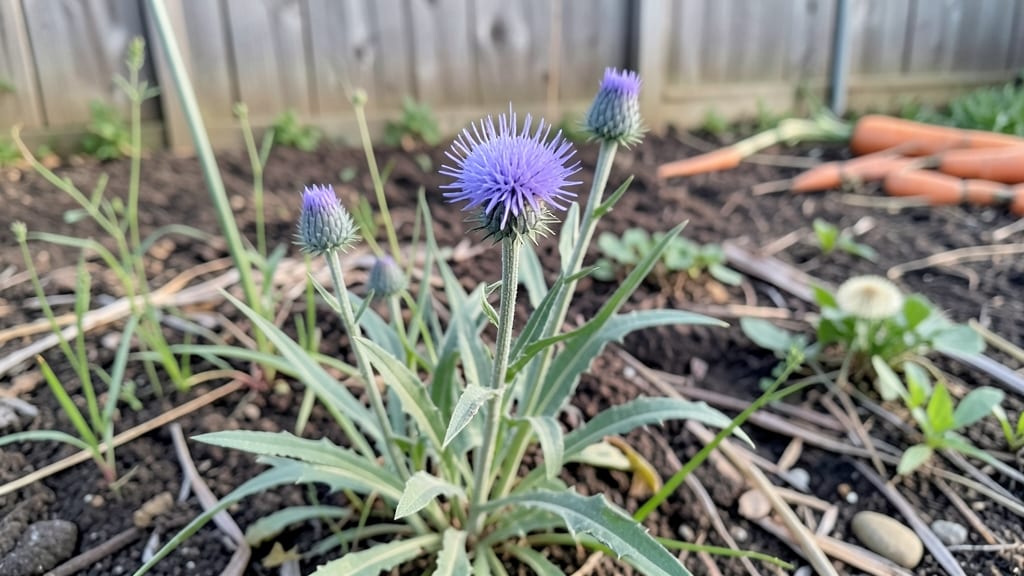
Cornflowers before flowering are the unsung heroes of early summer gardens—silvery-blue-green foliage that adds unexpected texture long before their famous blooms arrive.
I’ve seen these plants transform a dull border into a lush, airy display just by standing tall and slender, their narrow leaves catching the light like frosted glass. They grow 2-3 feet high, making them perfect for filling gaps between spring bulbs and late-blooming perennials.
The real magic happens when you pair them with plants that complement their cool tones. Try them alongside yellow coreopsis for a striking contrast or mix in silver foliage like lamb’s ear to echo their metallic sheen.
Even before the blue blooms appear, they attract pollinators with their nectar-rich leaves, giving bees and butterflies a head start on the season.
By mid-summer, those same stems will burst into vibrant blue blooms that last for weeks, but the early-stage foliage is where the garden design truly shines. Their upright habit makes them ideal for cutting gardens too—harvest the stems before flowering for long-lasting arrangements that keep their silvery-blue hue indoors.
Here’s the best part: they’re drought-tolerant once established, so they thrive in hot, dry spots where other plants wilt. Plant them in full sun and watch them become the backbone of your seasonal interest—long before the blue blooms steal the show.
📚 In This Guide
- What you need
- Instructions
- Tips and common mistakes
- Wrapping up and next steps
What you need
- ● Cornflower seeds (Centaurea cyanus): Quantity: 1–2 packets (each packet typically contains 50–100 seeds)
- ● Type: Non-hybrid, heirloom, or pollinator-friendly varieties (e.g., ‘Black Nebula’, ‘Blue Boy’)
- ● Well-draining potting soil or garden soil: Type: Loamy soil with pH 6.0–7.5 (amend with compost if needed)
- ● Quantity: Enough to fill seed trays or garden beds (1–2 cubic feet per plant)
- ● Seed trays or biodegradable pots: Size: 2–3 inches deep (for seedlings)
- ● Material: Plastic, peat, or coconut coir
- ● Grow lights or sunny windowsill (if starting indoors): Lighting: 12–16 hours of bright light daily (LED grow lights work well)
- ● Hand trowel or small shovel (for transplanting seedlings)
- ● Watering can with a fine rose nozzle (to avoid disturbing seeds)
- ○ Garden gloves (optional but recommended for comfort)
- ● Plant labels & markers (to track varieties)
- ○ Mulch (straw or shredded leaves) (optional, to retain moisture)
- ● A sunny location with at least 6–8 hours of direct sunlight daily.
- ● Patience! Cornflowers take 8–12 weeks to bloom from seed.
- ● Pollinator-friendly zone (bees, butterflies, and hummingbirds will thank you!).
Step-by-Step instructions for cultivating cornflowers before blooming
Here’s how to grow sturdy, vibrant cornflowers that will attract pollinators for weeks.
Select and Prepare the Planting Site
Cornflowers thrive in full sun—choose a location that receives at least 6-8 hours of direct sunlight daily. They tolerate poor soil but grow best in well-draining, slightly alkaline soil with a pH between 6.5 and 7.5. If your soil is heavy clay or overly sandy, amend it with 2-3 inches of compost before planting.
Work the soil to a depth of 12 inches, breaking up any compacted layers. Cornflowers are drought-tolerant once established, but they need consistent moisture during germination and early growth. Avoid planting in low-lying areas where water pools, as soggy soil will stunt root development.
Direct Sow Seeds at the Right Time
Sow cornflower seeds outdoors after the last frost date when soil temperatures reach at least 50°F. They germinate best in warm conditions, so avoid planting too early—cold soil can delay sprouting for weeks. Scatter seeds ¼ inch deep and 6-12 inches apart in rows spaced 12-18 inches apart for full, bushy plants.
Lightly cover the seeds with soil and water gently to settle the mix without displacing them. Press the soil surface lightly to ensure good seed-to-soil contact. Germination typically occurs in 7-14 days, depending on temperature and moisture. Thin seedlings to 6 inches apart once they reach 2-3 inches tall to prevent overcrowding.
Provide Consistent Moisture and Fertility
Water cornflowers deeply once a week during dry spells, ensuring the soil remains evenly moist but not waterlogged. Overwatering can lead to fungal issues, while underwatering causes leggy, weak stems. Mulch around plants with 1-2 inches of organic mulch to retain moisture and suppress weeds, but keep it 2 inches away from the stems to prevent rot.
Cornflowers are lightweight feeders and rarely need fertilizer. If your soil is nutrient-poor, apply a balanced, slow-release fertilizer at planting and again after 4-6 weeks. Avoid high-nitrogen fertilizers, which promote leafy growth at the expense of flowers. Watch for yellowing leaves—this often signals overwatering or excess nitrogen.
Monitor for Pests and Diseases
Cornflowers are generally pest-resistant, but keep an eye out for aphids, slugs, and snails, which may target young seedlings. Handpick slugs in the evening or use beer traps (bury a shallow container filled with beer) to deter them. For aphids, spray plants with a soapy water solution (1 tablespoon mild soap per gallon of water) to dislodge them.
Ensure good air circulation by spacing plants properly and avoiding overhead watering, which can encourage fungal diseases like powdery mildew. If you notice white, powdery spots on leaves, remove affected foliage immediately and reduce humidity around the plants. Cornflowers are hardy and rarely succumb to serious diseases, but early intervention prevents spread.
Prune for Bushier Growth and Longer Blooms
To encourage bushier plants and prolonged flowering, pinch back the top 2-3 inches of growth when seedlings reach 6 inches tall. This redirects energy from vertical growth to lateral branching, resulting in more stems and flowers. Deadhead spent blooms regularly by snipping stems just above the first set of healthy leaves to extend the flowering period.
Cornflowers self-seed readily, so you’ll often see volunteers popping up in subsequent years. If you want to control spread, collect and discard seeds after flowering. For a continuous display, stagger plantings every 2-3 weeks in early spring. By mid-summer, your garden will be a blue-and-purple pollinator paradise, with blooms lasting 4-6 weeks or longer.
Tips & tricks for cultivating thriving cornflowers
These essential tips will help you cultivate cornflowers that produce vibrant blooms and attract pollinators all season long.
Soil Preparation Insight: When amending your soil with 2-3 inches of compost as mentioned in Step 1, focus on creating a loose, crumbly texture to a depth of 12 inches. This aeration is crucial for cornflower roots, which need good air circulation to develop properly. I've found that mixing in a handful of perlite or coarse sand helps maintain that ideal texture, especially in clay-heavy soils. The goal is to create an environment where roots can spread easily without encountering compacted layers.
Timing Secret: The 50°F soil temperature threshold in Step 2 is non-negotiable for reliable germination. I've learned this the hard way after planting too early in cooler conditions. To verify soil temperature, use a soil thermometer inserted 2-3 inches deep. Morning is the best time to check—soil warms up during the day and can give false readings. If temperatures are below 50°F, wait at least 5-7 days before planting, as cold soil significantly delays germination.
Watering Technique: The once-weekly deep watering recommendation in Step 3 works beautifully, but timing matters just as much as quantity. Water in the early morning when temperatures are cooler to reduce evaporation and fungal risks. I've noticed that watering at midday can cause the delicate seedlings to develop fungal issues, even with proper spacing. Aim for about 1 inch of water per week, delivered all at once rather than frequent shallow waterings, which encourages shallow root growth.
Pruning Strategy: When pinching back the top 2-3 inches of growth in Step 5, focus on removing just the growing tip rather than the entire top set of leaves. This small difference makes a big impact on plant recovery. I've found that plants pinch back this way produce more lateral branches within 2-3 weeks, while more aggressive pruning can set them back. The key is to encourage bushier growth without shocking the plant—think of it as giving your cornflowers a gentle haircut rather than a buzz cut.
Pro Tips for Cornflower Before Flowering
- These essential tips will help you cultivate cornflowers that produce vibrant blooms and attract pollinators all season long.
- Soil Preparation Insight: When amending your soil with 2-3 inches of compost as mentioned in Step 1, focus on creating a loose, crumbly texture to a depth of 12 inches.
- Timing Secret: The 50°F soil temperature threshold in Step 2 is non-negotiable for reliable germination.
Frequently asked questions
Got questions about growing cornflowers before they bloom?
You’re not alone! Here are answers to the most common queries to help you nurture a stunning pollinator haven.
When is the best time to plant cornflower seeds for early blooms?
For cornflower before flowering color, sow seeds directly in the garden 4–6 weeks before your last frost date (early spring) or in late summer for fall blooms. Start indoors 6–8 weeks before transplanting if your climate is chilly. Cornflowers thrive in cool weather and may bolt in intense heat, so timing matters!
How long does it take for cornflowers to bloom after planting?
Expect 60–90 days from seed to flower, depending on variety and growing conditions. If planted early, you’ll see cornflower before flowering stages (tall, slender stems with fuzzy buds) by mid-summer. For faster results, opt for nursery-started plants—just ensure they’re hardened off before transplanting!
Are cornflowers good for attracting pollinators before they open?
While fully open blooms are pollinator magnets, cornflower before flowering buds still emit nectar and provide shelter for bees and butterflies. The fuzzy, closed buds are especially loved by early-season pollinators like bumblebees. Pair with other early bloomers (like alyssum or phacelia) for a non-stop buffet!
What if my cornflowers aren’t blooming—just tall stems with buds?
Several factors could delay blooms: overcrowding (thin seedlings to 12–18 inches apart), nutrient deficiency (add a balanced fertilizer), or heat stress (mulch to retain moisture). Deadhead spent blooms to encourage reblooming, and avoid cutting stems too early—let at least 1/3 of the buds open for best results.
Can I cut cornflowers for bouquets before they fully open?
Yes! Harvest cornflower before flowering buds when they’re half-open for longer vase life. Cut stems at an angle, strip lower leaves, and place in cool water. They’ll continue opening indoors, adding 3–5 days of freshness. Avoid over-harvesting—leave at least 1/4 of the plant to rebloom naturally.
Wrapping up and next steps
Cornflowers before flowering are a hidden gem—packed with pollinator appeal, vibrant foliage, and low-maintenance charm. Their ability to attract bees, butterflies, and hummingbirds while offering months of stunning blue blooms makes them a must-have for any garden.
Whether you're a seasoned gardener or just starting, their versatility and resilience make them a rewarding addition to your outdoor space.
Ready to transform your garden? Start by gathering your supplies and planting your first batch—your future blooms (and pollinators!) will thank you. 🌸🐝