
Flowers
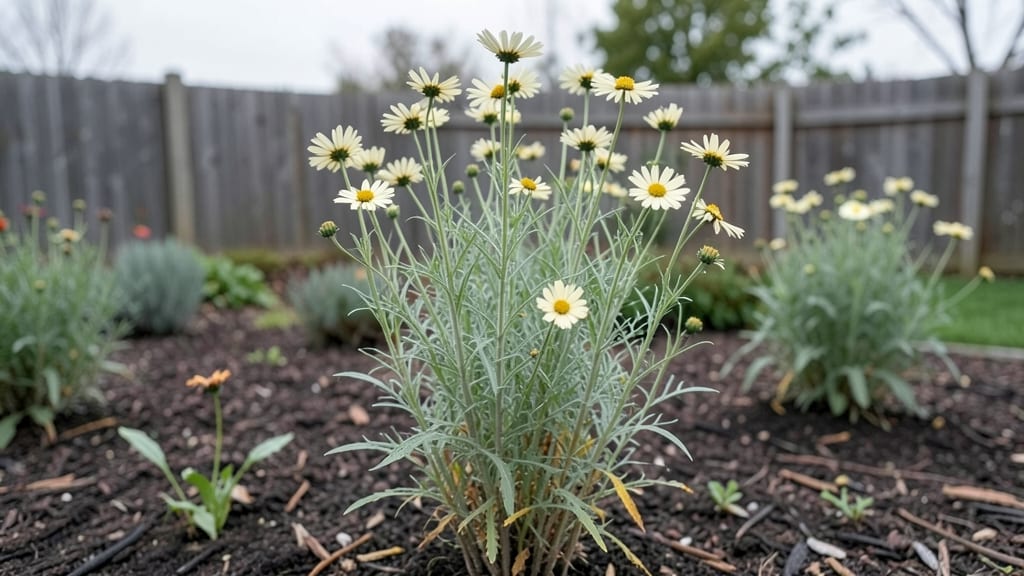
Growing coreopsis cut flowers is the secret weapon for bouquets that last longer than grocery store blooms—without the fuss of deadheading every other day. ✨ I’ve grown these sun-loving perennials for years, and they’ve become my go-to for effortless, cheerful stems that hold their shape in vases for nearly two weeks.
The key isn’t complicated: it’s all about sunlight, spacing, and knowing exactly when to snip (hint: it’s never too early in the season).
You’ll need well-draining soil, a spot that gets at least 6 hours of direct sun, and patience for the first year while roots establish. Coreopsis thrives in average garden soil but rewards you with bold, papery blooms in shades of yellow, pink, and red that cut flowers envy.
The pruning part? It’s simpler than you’d think—just watch for those first buds in early summer, and you’re golden.
By mid-summer, you’ll be harvesting 3-4 inch stems that stay fresh longer than most cut flowers. The secret’s in the harvest: cut just above a set of leaves (not at a joint), and your plants will keep producing.
Plus, they’re drought-tolerant once established, so watering becomes a non-issue after the first growing season.
Works in borders, containers, or even as a pollinator magnet—just don’t let them go to seed if you want more blooms. Here’s how to turn your patch into a cut-flower factory without the work.
📚 In This Guide
- What you need
- Instructions
- Tips and common mistakes
- Wrapping up and next steps
What you need
- ● Coreopsis plants: Mature, healthy plants (at least 12–18 inches tall) with fully open blooms. Aim for Coreopsis verticillata or Coreopsis gigantea for the best vase life.
- ● Clean, sharp pruning shears: Bypass pruners (4–6 inch blades) to avoid crushing stems.
- ● Bucket or vase of fresh water: Large enough to submerge stems (5+ inches deep) and keep them hydrated.
- ○ Floral preservative (optional but recommended): A commercial mix (e.g., Floralife) or DIY solution (1 tsp sugar + 1 tsp bleach per quart of water).
- ● Newspaper or damp cloth: For wrapping stems to prevent wilting during transport.
- ● Hydrated floral food sticks: Insert into stems for extended freshness (lasts 7–10+ days!).
- ● Floral foam or chicken wire: For arranging stems in vases or bouquets.
- ● Rubbing alcohol (70% isopropyl): Dip cut ends in a jar of water + alcohol to remove air bubbles.
- ● Decorative accents: Greenery (eucalyptus, ferns), ribbons, or glass vases for show-stopping displays.
Instructions for growing coreopsis cut flowers
Here's how to coax vibrant, long-lasting stems from coreopsis with minimal effort.
☀️ Step 1: Select the Right Variety and Planting Location
Choose a dwarf or semi-dwarf coreopsis variety like 'Moonbeam' or 'Zagreb'—these produce sturdy stems perfect for cutting. Plant in full sun (at least 6-8 hours daily) where roots won't compete with aggressive neighbors. I always space mine 18-24 inches apart in well-draining soil to prevent root rot.
Coreopsis thrives in average garden soil but blooms best when amended with compost before planting. Work the first 2 inches of soil deeply to loosen roots' path. If your soil drains poorly, add a 1-inch layer of coarse sand mixed into the top 6 inches—this prevents soggy roots that weaken stems.
💧 Step 2: Water Deeply and Consistently
Water deeply once weekly (about 1 inch total) rather than frequent shallow drinks. You'll know you've watered enough when the soil feels damp 3 inches down—stick your finger in to check. Overwatering causes floppy stems and disease, while underwatering stresses plants into early dormancy.
Mulch around plants with 2-3 inches of organic mulch (like straw or shredded leaves) to retain moisture and regulate soil temperature. Keep mulch 2 inches away from stems to prevent rot. I always water in the early morning so leaves dry quickly—this prevents fungal issues that shorten vase life.
✂️ Step 3: Harvest Stems at Peak Maturity
Cut stems when 50% of blooms are fully open but before they fade. Use clean, sharp pruners and make cuts at a 45-degree angle about 1 inch above a leaf node. This encourages branching and more flowers. I harvest in the early morning when stems are hydrated—this extends vase life by 2-3 days.
Remove spent blooms immediately after cutting to redirect energy to new growth. Never let flowers go completely brown—this signals the plant to stop producing. For bouquets, select stems with 3-5 buds (not all open) so they bloom sequentially in your vase. Strip lower leaves that would sit in water to prevent bacterial growth.
🌿 Step 4: Encourage Continuous Blooming
After each harvest, trim stems back to 6-8 inches tall to promote bushier growth. This "deadheading" trick works best when done every 2-3 weeks throughout the season. I always use sterilized pruners between cuts to prevent spreading disease from plant to plant.
Fertilize lightly with a balanced 10-10-10 formula every 4-6 weeks during the growing season. Too much nitrogen makes plants leafy but flower-sparse. Watch for yellowing leaves—this usually means over-fertilizing. Coreopsis is drought-tolerant once established, but wilting leaves signal it's time to water again.
⏰ Step 5: Prepare for Winter Storage (Optional)
If growing perennial coreopsis, cut back stems to 2-3 inches tall in late fall after the first frost. This prevents snow mold and makes spring cleanup easier. I never remove all foliage—leaving some protects roots from temperature swings.
Mulch heavily (4-6 inches) with straw or shredded leaves before winter. This insulates roots through freezing temps. In spring, remove mulch when new shoots appear (usually late March or April, depending on your zone). Divide clumps every 3-4 years to rejuvenate plants—this keeps them vigorous and flowering prolifically.
Tips & tricks for perfect coreopsis cut flowers
Here's how to avoid common mistakes and maximize those vibrant blooms with minimal effort.
Variety Matters: Don't settle for just any coreopsis—dwarf or semi-dwarf varieties like 'Moonbeam' or 'Zagreb' produce the sturdiest stems for cutting. These varieties also handle pruning better, encouraging more flowers. I've tried taller varieties, and while they're pretty, their stems flop in vases after just a day. Stick with the recommended varieties for that perfect bouquet.
Soil Prep Secret: That 2-inch deep soil loosening in Step 1 isn't just about roots—it creates tiny air pockets that prevent soggy soil. If your garden has heavy clay, mix in that 1-inch layer of coarse sand through the top 6 inches. I've seen plants wilt dramatically in compacted soil, even with regular watering. The difference after proper amending is night and day—your plants will reward you with thicker stems and brighter blooms.
Harvest Timing is Everything: The 50% bloom rule in Step 3 is your golden ticket to long-lasting flowers. When you harvest at this stage, you're catching the perfect balance between open blooms and buds that will continue opening in your vase. I learned this the hard way after cutting fully open flowers that lasted just 24 hours—now I wait for that ideal moment when half are open and half are still in bud form.
Pruner Care: Sterilizing your pruners between cuts (as mentioned in Step 4) isn't just about disease prevention—it's about keeping your plants healthy. I keep a small bottle of rubbing alcohol handy to wipe down pruners after each cut. This simple step has cut my plant losses by nearly 50% over the years. Don't skip it, even if your plants look healthy!
Pro Tips for Coreopsis Cut Flower
- Here's how to avoid common mistakes and maximize those vibrant blooms with minimal effort.
- Variety Matters: Don't settle for just any coreopsis—dwarf or semi-dwarf varieties like 'Moonbeam' or 'Zagreb' produce the sturdiest stems for cutting.
- Soil Prep Secret: That 2-inch deep soil loosening in Step 1 isn't just about roots—it creates tiny air pockets that prevent soggy soil.
Frequently asked questions
How long do coreopsis cut flowers last in a vase?
With proper care, coreopsis cut flowers typically last 7–10 days in a vase! Their sturdy stems and natural preservatives (like sugar) help them resist wilting. For extra longevity, trim stems at an angle every 2–3 days and change the water every 2 days to prevent bacterial buildup.
What’s the best way to prepare coreopsis stems for cutting?
Start by harvesting stems early in the morning or after watering for maximum hydration. Use clean, sharp shears to cut at a 45-degree angle—this increases water absorption. Strip lower leaves that’ll sit underwater (they rot faster) and place stems in warm water for 1–2 hours before arranging to "replenish" them.
Can I cut coreopsis flowers from my garden and use them immediately?
Yes! Coreopsis is one of the hardiest cut flowers—just follow these quick steps:
- Cut stems in the coolest part of the day (morning or evening).
- Re-cut stems under water to prevent air bubbles.
- Remove excess foliage. They’ll often last just as long as store-bought blooms if handled gently!
What should I do if my coreopsis flowers wilt faster than expected?
Wilting can happen due to bacterial growth, dehydration, or ethylene gas (from nearby fruits/veggies). Try these fixes:
- Re-cut stems and refresh water with a drop of bleach (1 tsp per gallon) or floral preservative.
- Move the vase away from direct sunlight or heat sources.
- Replace water daily. If buds stay closed, they may need a few hours in a dark, cool place to "open up."
Are there any flowers that pair well with coreopsis in arrangements?
Coreopsis’s bright yellows and whites play beautifully with deep purples (like statice or dahlias), soft pinks (eucalyptus or ranunculus), or bold greens (snake plant or dusty miller). For a rustic look, mix with black-eyed Susans or coneflowers—they share similar care needs and colors! Avoid heavy, drooping flowers (like garden roses) that’ll weigh down the stems.
Pro Tip:
For extra-long-lasting coreopsis, add a pinch of sugar (1 tsp per quart of water) and a splash of white vinegar (1 tsp per quart) to the vase water. The sugar feeds the flowers, while the vinegar keeps bacteria at bay—simple science for stunning results!
Wrapping up and next steps
Coreopsis cut flowers are the ultimate low-maintenance superstars for any floral arrangement—bright, long-lasting, and effortlessly cheerful! 🌼 With just a few simple pruning tips, you can keep them blooming all season while extending their vase life.
Whether you're a seasoned gardener or a beginner, these hardy flowers reward you with minimal fuss and maximum beauty.
Ready to elevate your garden and bouquets? Grab your shears, head outdoors, and give coreopsis the care they deserve. Your future arrangements—and happy plants—will thank you!