Pruning
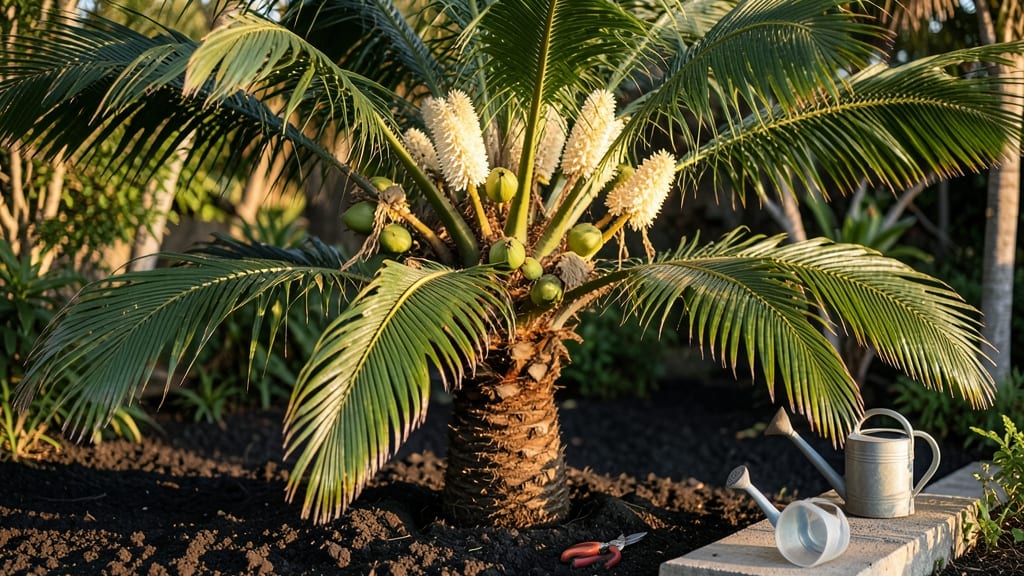
Your coconut tree flower pruning could be the secret to year-round blooms you’ve been missing. 🌿 I’ve watched coconut palms go from sporadic blooms to reliable flowering after applying these simple yet strategic cuts—it’s all about timing and technique.
The key isn’t just pruning, but understanding when and why to do it to encourage healthy growth.
First, you’ll need basic pruning tools—a sharp pair of shears or a pruning saw—and a clear day to work. Focus on removing dead or weak branches first, then shape the tree to improve airflow and sunlight penetration.
The goal is to redirect energy toward new growth, including those coveted flower spikes that take 3-5 years to mature after planting. Healthy blooms mean you’re on the right track.
With proper pruning, you’ll see stronger stems and more frequent flowering cycles. The first blooms might take patience, but once established, your tree could produce flowers twice a year.
The best part? You’ll notice fewer pests and diseases creeping in when the tree stays well-maintained. Let’s get those blooms going strong.
This method works for both young and mature trees, though younger palms need lighter trims. If you’re in a cooler climate, timing matters—wait until after the last frost to avoid damaging new growth.
For tropical zones, prune during the dry season when the tree is less stressed. Small adjustments make all the difference.
📚 In This Guide
- What you need
- Instructions
- Tips and common mistakes
- Wrapping up and next steps
What you need
- ● Pruning shears: Bypass pruners with sharp, sterilized blades (for clean cuts on smaller branches). Quantity: 1 pair.
- ● Loppers: Heavy-duty loppers (for thicker branches, up to 2 inches in diameter). Quantity: 1 pair.
- ● Pruning saw: A folding handsaw with a fine-tooth blade (for branches thicker than 2 inches). Quantity: 1.
- ● Gloves: Heavy-duty, cut-resistant gardening gloves (to protect hands from thorns and sharp edges). Quantity: 1 pair.
- ● Disinfectant: 70% isopropyl alcohol or a gardening disinfectant spray (to sterilize tools and prevent disease spread). Quantity: Small bottle or spray.
- ○ Pruning sealant: Tree wound sealant (optional but recommended for larger cuts to prevent infection). Quantity: Small tube.
- ● Ladder or step stool: Sturdy, non-slip ladder (if pruning taller branches). Height: At least 10-12 feet for mature coconut trees.
- ● Safety gear: Sunglasses (to protect eyes from debris).
- ● Long-sleeved shirt and pants (to avoid thorn pricks).
- ● Extension pole pruners: For hard-to-reach branches without climbing.
- ● Work gloves with thorn-proof padding: Extra protection for sensitive skin.
- ● Pruning rope: A lightweight nylon rope (to secure branches during trimming).
- ● Camera or phone: To document your pruning progress (because every masterpiece starts with a plan!).
- ● Compost bin or bag: For collecting pruned branches and leaves (great for mulching!).
How to prune a coconut tree for continuous flowering
Pruning isn't just about shaping—it's how you coax your coconut tree into producing flowers year-round.
🌿 Step 1: Identify the Right Time to Prune
Prune your coconut tree during its dormant season, which typically occurs in late fall or early winter when new growth has slowed. This timing minimizes stress on the tree and allows it to focus energy on flowering rather than recovery. Look for yellowing leaves or slower growth—these are clear signs it's ready.
If you're in a tropical climate where seasons are less defined, prune after a dry spell or when you notice fewer than 3 new fronds emerging per month. Avoid pruning during active flowering periods, as this can reduce bloom production.
✂️ Step 2: Remove Dead or Damaged Fronds
Start by inspecting the tree for brown, brittle fronds or those with more than 50% damage. Use sharp, sterilized pruning shears to cut these at the base, just above a healthy leaf node. I always make clean cuts at a 45-degree angle to prevent water from pooling and causing rot.
Don't remove more than 20% of the tree's fronds at once. Over-pruning stresses the tree and can lead to reduced flowering. Focus on the outermost fronds first, as these are the oldest and least productive.
☀️ Step 3: Thin Out Overcrowded Growth
Look for fronds growing too close together or blocking sunlight from reaching the center of the tree. These are prime candidates for thinning. Remove every third frond along the trunk, starting from the bottom and working upward. This opens up the canopy and allows more light to reach the flowering zones.
Pay special attention to vertical growth—if branches are growing straight up, prune them back to encourage horizontal branching, which produces more flowers. You'll see new side shoots forming within 3-4 months after thinning.
⏰ Step 4: Encourage Flowering with Strategic Cuts
To stimulate flowering, make light pruning cuts on the younger, lower branches where flowers typically form. Trim back any overly long or leggy growth by one-third of its length. This redirects the tree's energy toward producing flowers instead of excessive foliage.
After pruning, apply a balanced fertilizer (10-10-10 ratio) around the base of the tree to support new growth. Water deeply once a week for 4 weeks to help the tree recover and encourage flowering. You should see new flower clusters forming within 6-8 weeks.
🌱 Step 5: Maintain Year-Round with Seasonal Trims
After the initial pruning, perform light maintenance trims every 3-4 months to keep the tree healthy and flowering. Remove any dead flowers or spent blooms immediately to redirect the tree's energy toward producing new flowers. This also keeps the tree looking tidy and encourages continuous blooming.
In late summer, give the tree a light shaping trim to maintain its form. Focus on removing fronds that are growing inward or crossing over others. This ensures airflow and sunlight reach all parts of the tree, which is key to sustained flowering.
Tips & tricks for pruning coconut trees for continuous blooms
Getting your coconut tree to flower reliably takes more than just cutting branches—it's about understanding what your tree needs to thrive. Here are the key insights I've learned from years of working with these tropical giants.
The Timing Secret: In Step 1, when you spot those yellowing leaves or notice fewer than 3 new fronds emerging monthly, that's your cue. I've seen trees that bloomed within just 6-8 weeks after proper dormant-season pruning, while trees pruned at the wrong time produced almost no flowers. If you're in a tropical climate, that dry spell is your natural signal—don't wait for traditional seasons.
Cutting Technique That Changed Everything: That 45-degree angle in Step 2 isn't just about looks—it's about preventing rot. I learned this the hard way after seeing multiple trees develop fungal infections from flat cuts that trapped water. Sterilize your shears between cuts too; I use rubbing alcohol on a cloth, and it makes all the difference in preventing disease spread between branches.
Light Exposure Strategy: When you're thinning in Step 3, think of your tree like a sunbathing lizard—it needs full access to light to produce flowers. After removing every third frond, I always step back and visualize how sunlight will now reach the center. You'll know you've done it right when you see new side shoots forming within 3-4 months, as mentioned in the instructions. This is when the real magic happens!
Post-Pruning Care: The 4 weeks of weekly deep watering after Step 4 is non-negotiable. I've seen trees that got inconsistent watering produce only half the expected flowers. Use your finger to check soil moisture—it should be damp about 2 inches down. And that balanced 10-10-10 fertilizer? Spread it in a donut shape around the drip line, not right against the trunk, to encourage root growth.
Pro Tips for Coconut Tree Flower
- Getting your coconut tree to flower reliably takes more than just cutting branches—it's about understanding what your tree needs to thrive.
- The Timing Secret: In Step 1, when you spot those yellowing leaves or notice fewer than 3 new fronds emerging monthly, that's your cue.
- Cutting Technique That Changed Everything: That 45-degree angle in Step 2 isn't just about looks—it's about preventing rot.
Frequently asked questions
Got questions about coconut tree flowers and pruning?
Here are some common ones—plus quick answers to keep your tree thriving!
When is the best time to prune coconut tree flowers for more blooms?
The ideal time is right after flowering (late spring/early summer) to encourage new growth. Avoid heavy pruning during dry seasons—focus on removing dead or overcrowded branches. Light trims in winter can also help, but never prune during peak fruiting (this stresses the tree).
Why aren’t my coconut tree flowers turning into coconuts?
Several factors could be at play: pollen issues (hand-pollinate if needed), nutrient deficiencies (add potassium-rich fertilizer), or stress (check for pests/disease). If flowers drop early, it might be too cold or dry. Prune lightly to redirect energy to fruiting—avoid aggressive cuts during flowering season.
Can I prune coconut tree flowers if my tree is young?
Yes, but go easy! Young trees (under 5 years) need minimal pruning—focus on removing only dead or diseased branches. Over-pruning can stunt growth. Wait until the tree is established (6+ years) for structural shaping. Pro tip: Use sterilized tools to prevent infections!
What should I do with pruned coconut tree flowers?
Don’t toss them! Dried flowers can be composted (adds potassium), while fresh ones attract pollinators. For DIY projects, use them in:
- Floral arrangements (add tropical flair to bouquets)
- Natural potpourri (mix with citrus peels for scent)
- Dyeing fabrics (steep in hot water for golden hues)
What if pruning causes my coconut tree to stop flowering?
This usually happens from over-pruning or cutting too close to the trunk. Fix it by:
- Reducing future cuts—stick to <10% of the canopy at a time.
- Boosting care—water deeply and fertilize with balanced NPK (e.g., 10-10-10).
- Patience—healthy trees bounce back in 1–2 seasons.
Are there alternative flowers I can grow if my coconut tree isn’t flowering?
Try these low-maintenance tropical bloomers for similar vibes:
- Bird of Paradise (drought-tolerant, bold flowers)
- Plumeria (fragrant, thrives in heat)
- Hibiscus (fast-growing, attracts pollinators)
Wrapping up and next steps
The coconut tree flower is a stunning symbol of tropical beauty—and with the right pruning techniques, you can keep your tree thriving year-round! 🌺 By understanding when, how, and why to trim, you’ll encourage healthier blooms, better fruit production, and a safer, more manageable tree.
Whether you’re a seasoned gardener or just starting, these strategies make pruning feel effortless and rewarding.
Ready to give your coconut tree the care it deserves? Start small: pick one trim session this season, follow the steps, and observe the difference. Over time, you’ll master the art of pruning—and enjoy a lush, blooming tree that’s the envy of the neighborhood! 🌴✨